12 hr
Whales, Penguins & Glaciers: Cape Froward Expedition
- Expert local guide
- Small group
- Skip-the-line access
- Free cancellation
Whale and Glacier Tour Punta Arenas — Strait of Magellan Expeditions
Navigate Patagonian fjords at dawn, where humpbacks surface beside tidewater ice
Compare fares, pick the fit — all bookings are mobile-voucher and eligible for free cancellation where shown.
12 hr
12 hr
5 hr
Selecting the right whale and glacier tour punta arenas experience requires choosing between standard full-day expeditions and specialized kayak-based adventures. These official whale and glacier tour punta arenas tours prioritize safety and marine wildlife observation in the Francisco Coloane Marine Park.
|
Top pick Full-Day Expedition Standard Navigation |
Kayak Adventure Small Group | |
|---|---|---|
| Duration | 12–14 hours | Full day |
| Access Method | Catamaran navigation | Kayak and support boat |
| Wildlife Focus | Humpback whales and glaciers | Close-range marine observation |
| Meals Included | Breakfast and lunch | Light snacks provided |
| Meeting Time | 04:00 AM | 04:00 AM |
| Best for | First-timers | Experienced paddlers |
| See tickets & prices |
Verdict: The Full-Day Expedition is the recommended choice for most visitors booking these whale and glacier tour punta arenas tickets due to its comprehensive inclusion of meals and guided transit.
Worth it for wildlife enthusiasts and adventure seekers
A whale and glacier tour punta arenas delivers exceptional value for travelers seeking remote Patagonian wildlife encounters that are nearly impossible to access independently. The Strait of Magellan expeditions combine multiple high-value elements—humpback whales, sea lions, Magellanic penguins, and glaciers—in a single day, eliminating the logistical complexity of chartering private boats or navigating treacherous southern waters. The Cape Froward expedition reaches the southernmost point of continental South America, a destination with no road access and extreme weather variability that makes guided navigation essential. Penguin colony tours to Magdalena and Marta Islands offer close encounters with thousands of nesting birds during breeding season, an experience concentrated in just a few months annually. The free entry model means tour costs cover expert guides, marine-grade vessels, and park permits—infrastructure individual travelers cannot replicate. For photographers, marine biologists, and those seeking authentic Patagonian wilderness rather than curated attractions, these Punta Arenas glacier and whale tours justify the investment through access, safety, and wildlife density that independent travel cannot match.
Bottom line: The combination of rare wildlife access, expert navigation through challenging waters, and logistical efficiency makes whale and glacier tour punta arenas tickets a justified expense for nature-focused travelers willing to work with Patagonia's demanding conditions.
The marine expedition offers closer contact with aquatic life, while the mountain excursion provides more expansive terrestrial vistas. These experiences complement each other, but most visitors who do both call the mountain trekking the more strenuous journey.
|
Top pick Whale & Glacier Tour |
Torres del Paine Trip | |
|---|---|---|
| Primary Focus | Marine wildlife and ice fields | |
| Terrain Type | Strait of Magellan waters | |
| Activity Level | Low-intensity boat observation | |
| Travel Time from Punta Arenas | 0–30 minutes to harbor | |
| Wildlife Opportunities | Humpback whales and dolphins | |
| Vibe | Relaxed maritime exploration | |
| See tickets & prices |
Verdict: Choose the whale and glacier tour punta arenas tickets if you prefer a maritime expedition, or opt for the national park if you desire rugged hiking and iconic granite peaks when finalizing your whale and glacier tour punta arenas tour plans.
Hand-picked experiences loved by thousands of travelers
5 hours
Free Cancellation
Navigate to a protected natural monument and walk among thousands of Magellanic penguins in the wild
6 hours
Free Cancellation
Sail through Magellan's historic waters to witness 60,000+ penguin pairs on a remote Patagonian island
18 hours
Free Cancellation
Full-day expedition from Punta Arenas combining lake navigation and panoramic viewpoints across Patagonia's crown jewel
16 hours
Free Cancellation
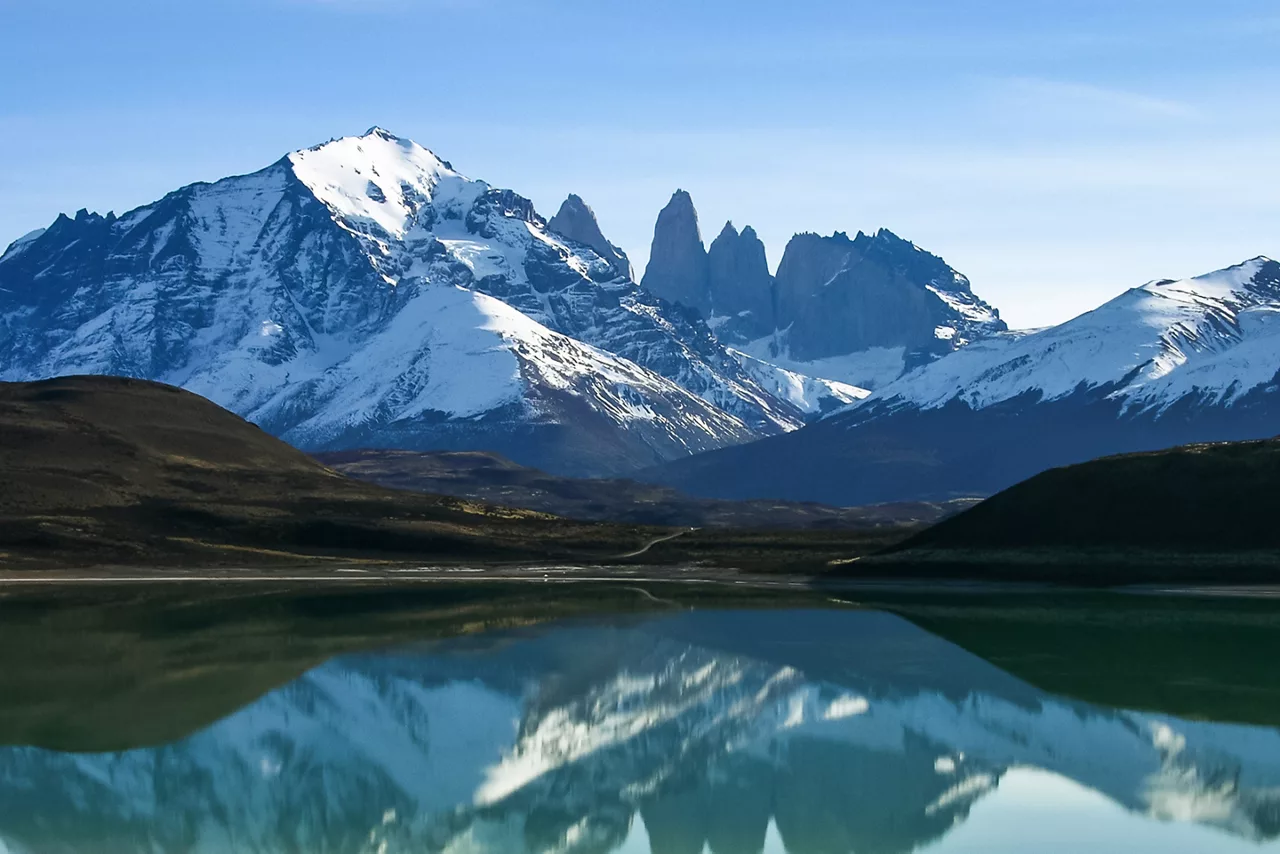
Experience Patagonia's crown jewel on a guided full-day adventure through glacial lakes, granite peaks, and ancient caves.
3 hours
Free Cancellation
Discover Chile's southernmost city through grand plazas, clifftop views, and one of the world's most stunning cemeteries.
13 hours
Free Cancellation
Full-day marine safari through Magellan Strait wilderness with glacier visits and whale watching
13 hours
Free Cancellation
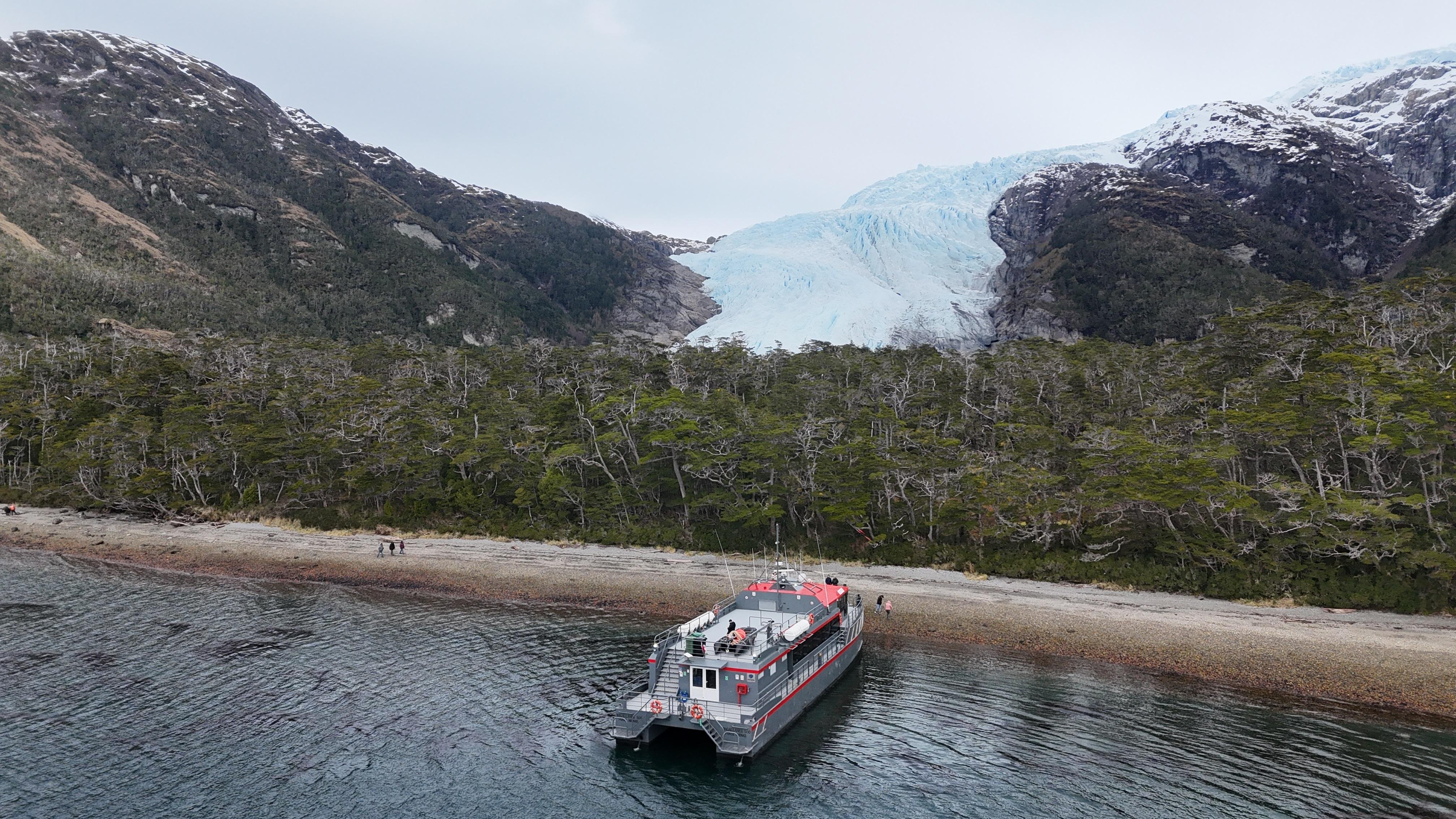
Full-day voyage to Cape Froward and seven glaciers through Chilean Patagonia's remote fjords
1.5 hours
Free Cancellation
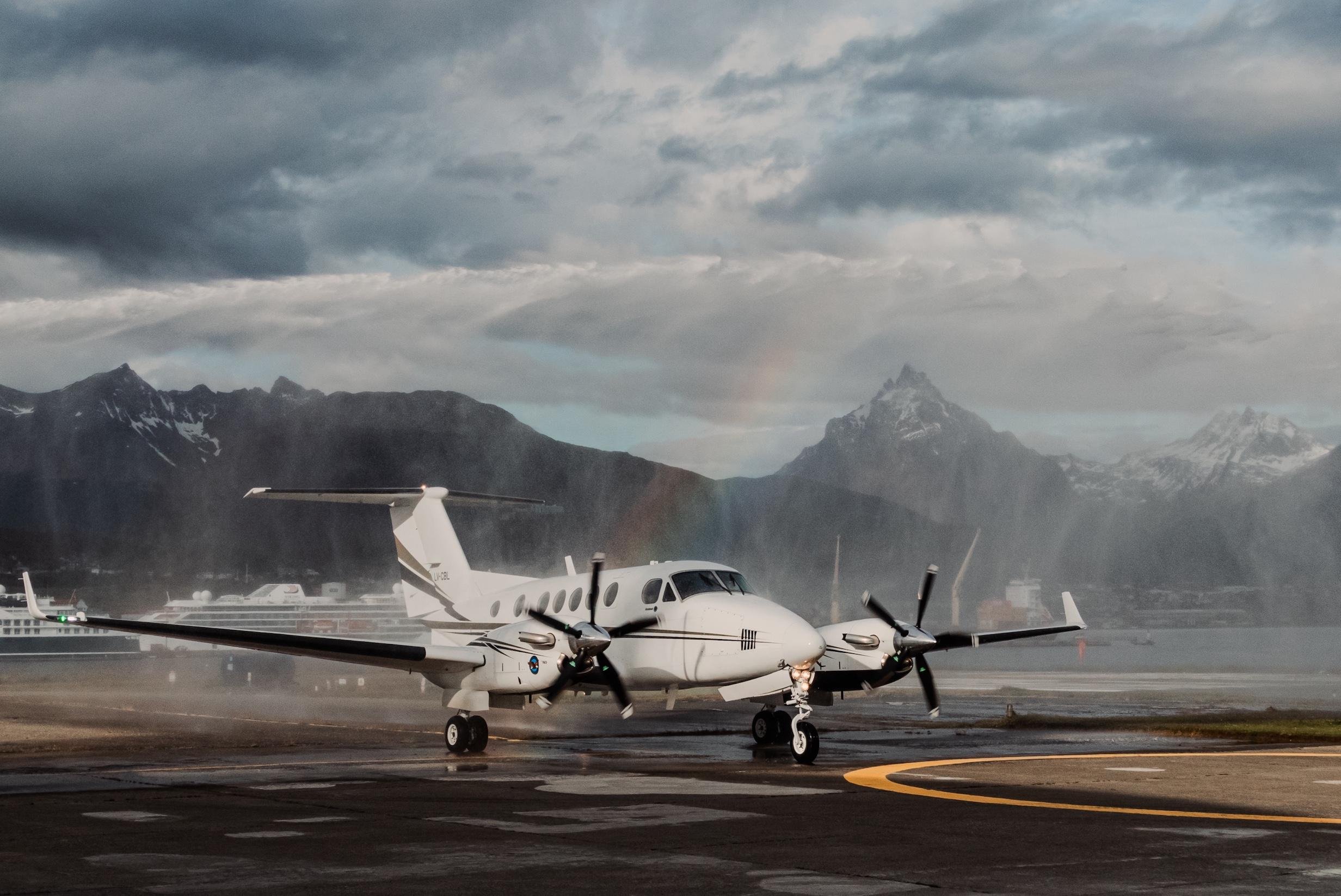
Skip the long overland journey—fly direct between two Patagonian hubs in a private aircraft.
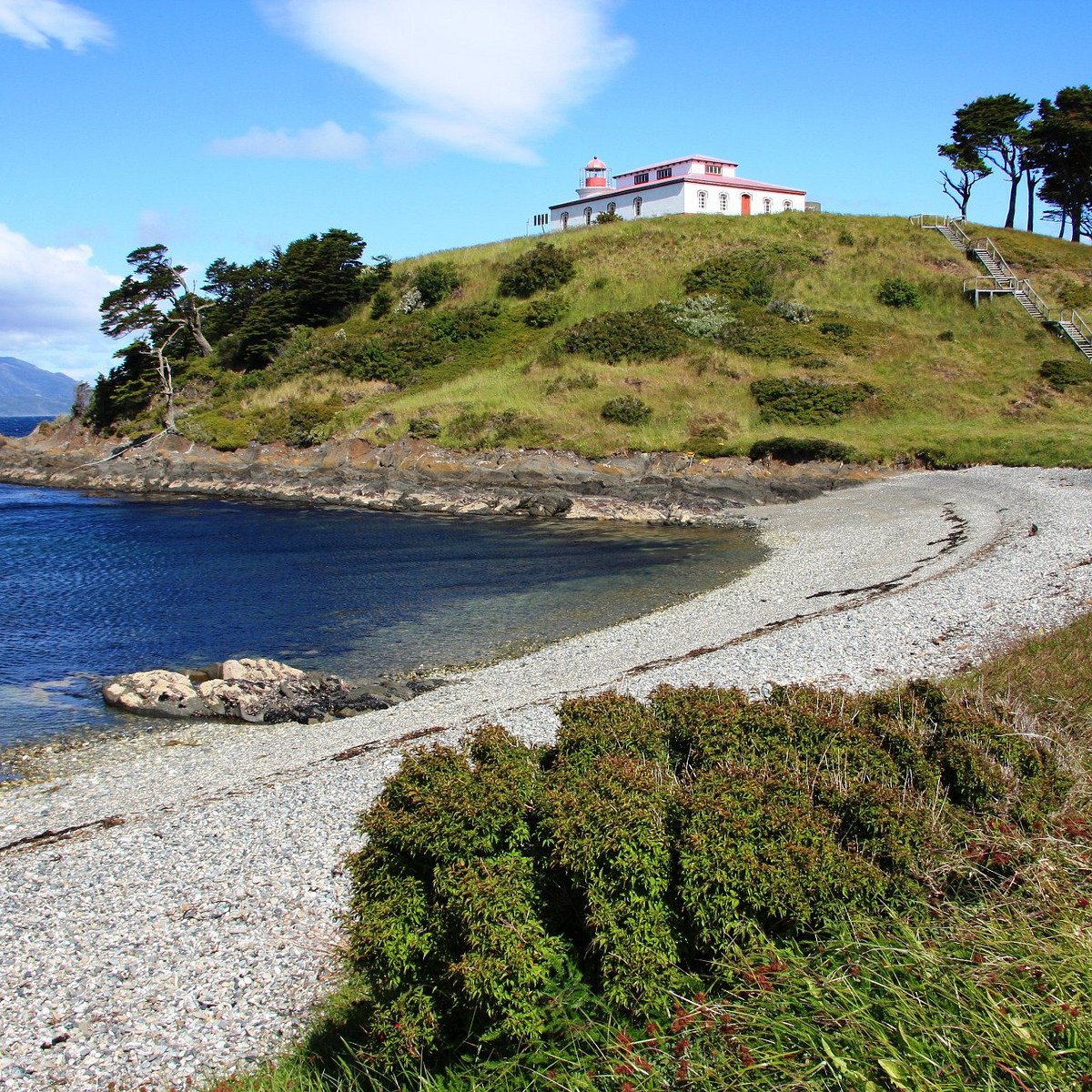
The southernmost point of continental America, marked by a historic lighthouse and dramatic coastal scenery.
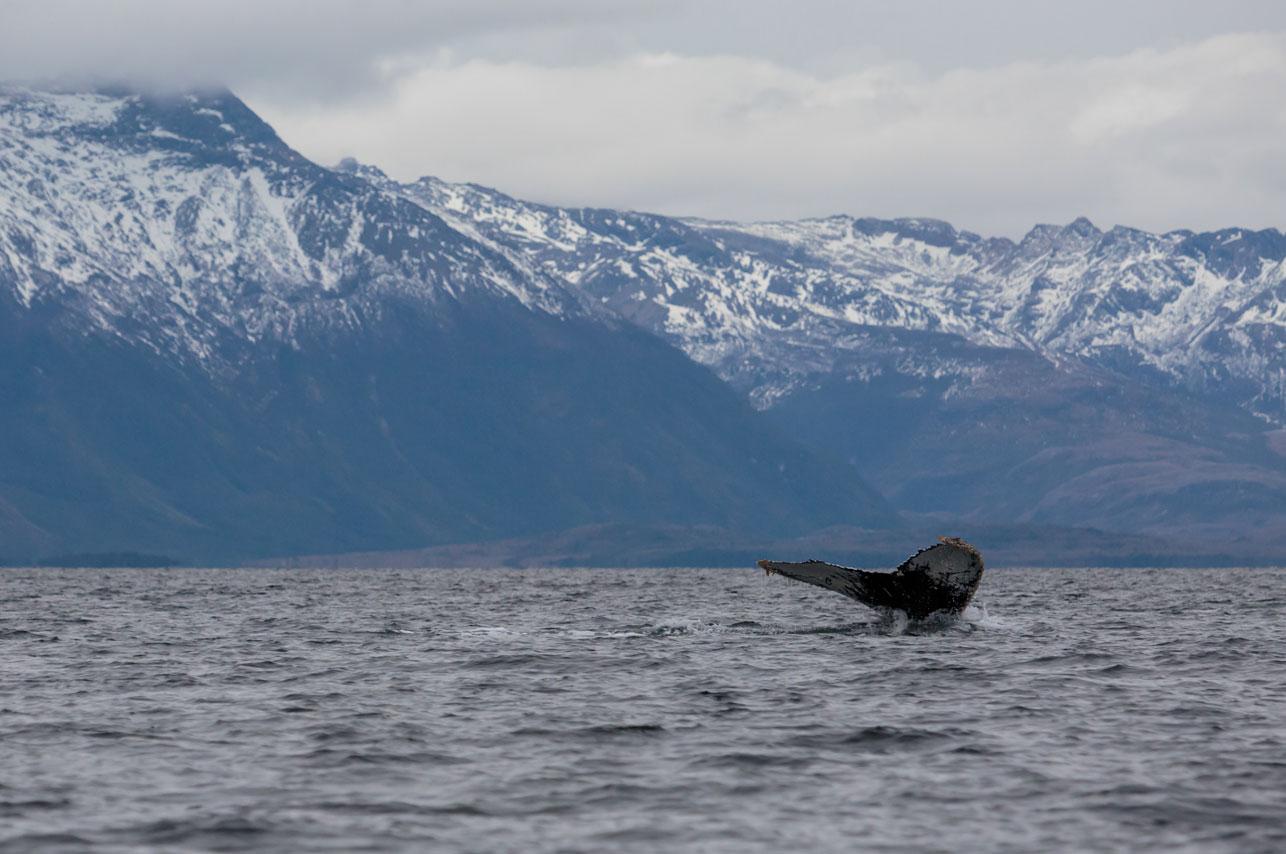
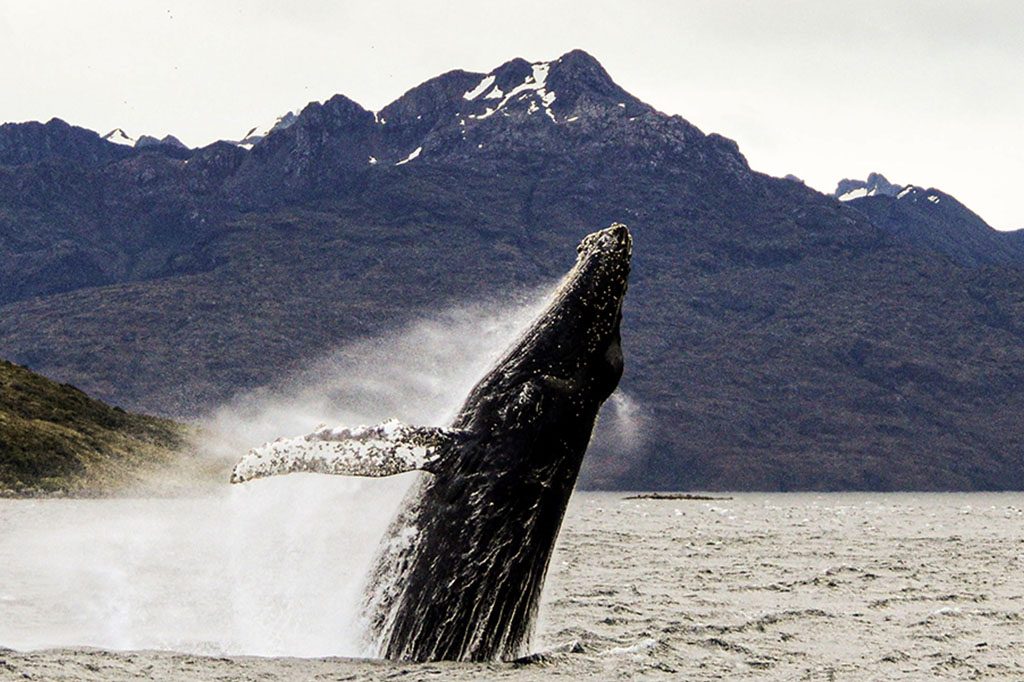
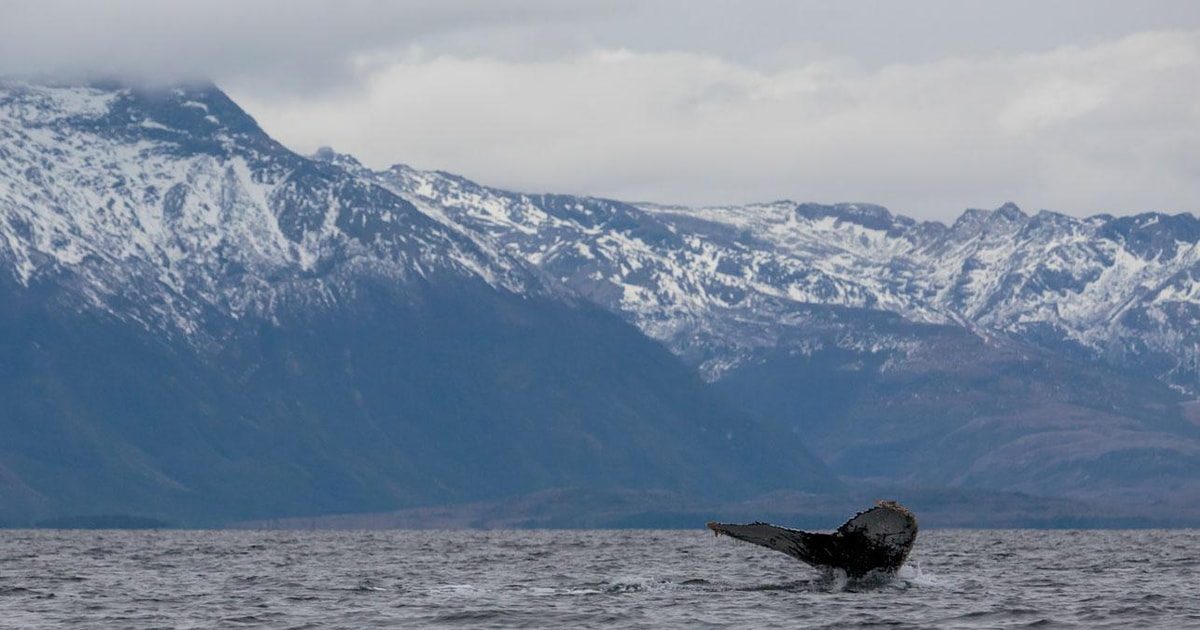
A vast protected area known as the primary feeding ground for humpback whales in the Strait of Magellan.
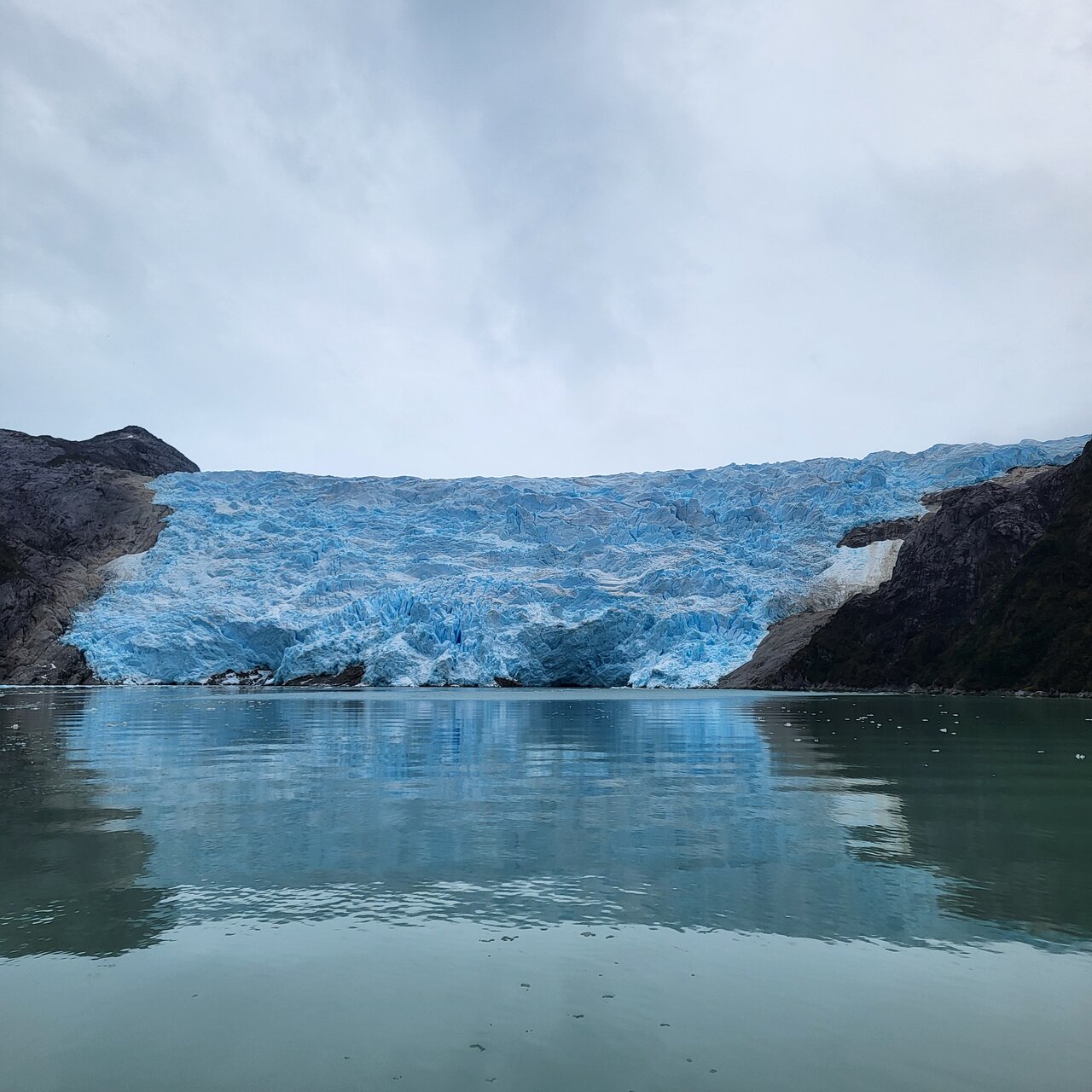
Home to calving tide-water glaciers that offer a rare view of active ice movement into the sea.
The legendary passage navigated during the whale and glacier tour punta arenas, historically vital to global exploration.
You board at José Nogueira quay before dawn, when the strait lies flat under violet light and the Darwin Range appears as a serrated shadow to the west. The vessel clears the harbour breakwater by four-thirty, turning southwest toward Isla Carlos III as the diesel engines settle into a steady thrum.
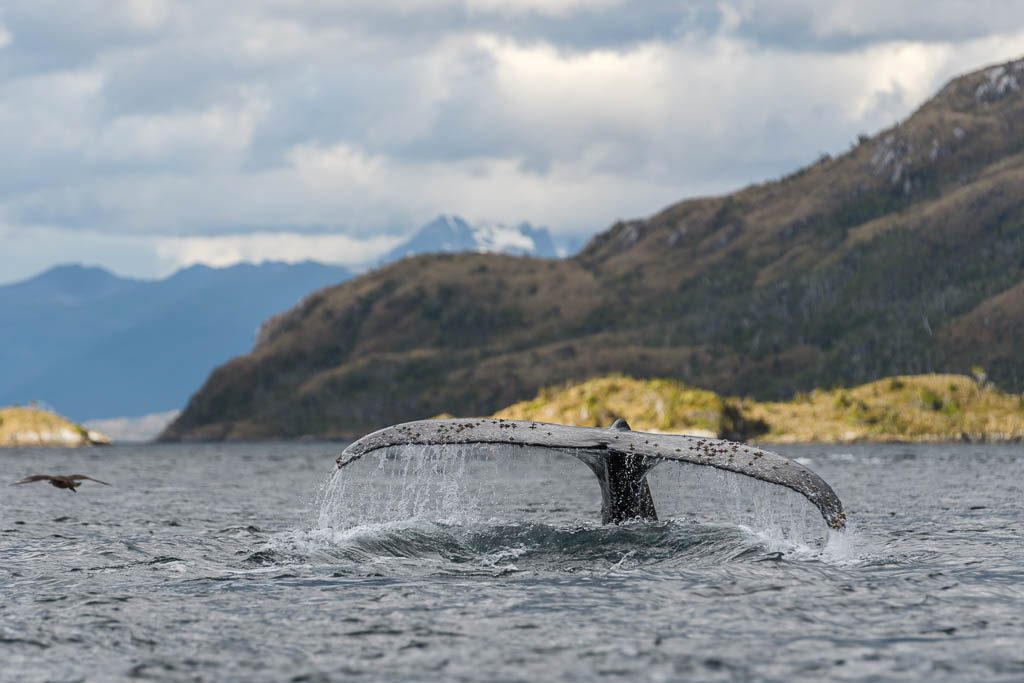
Deck hands distribute thermal jackets and binoculars while the guide briefs you on whale identification markers: the humpback's knobbly dorsal fin, the sei whale's tall single blow, the orca's white eyepatch.
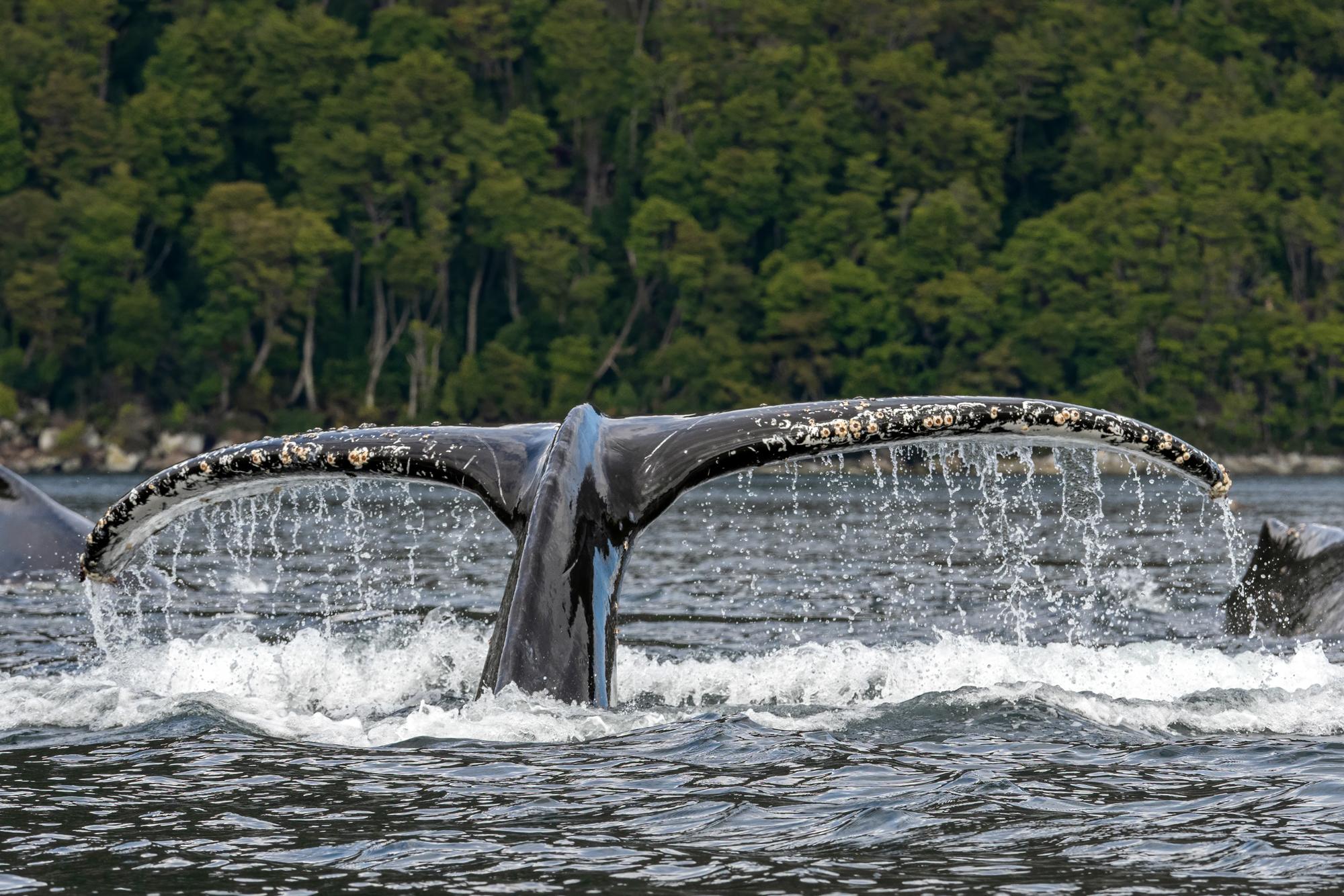
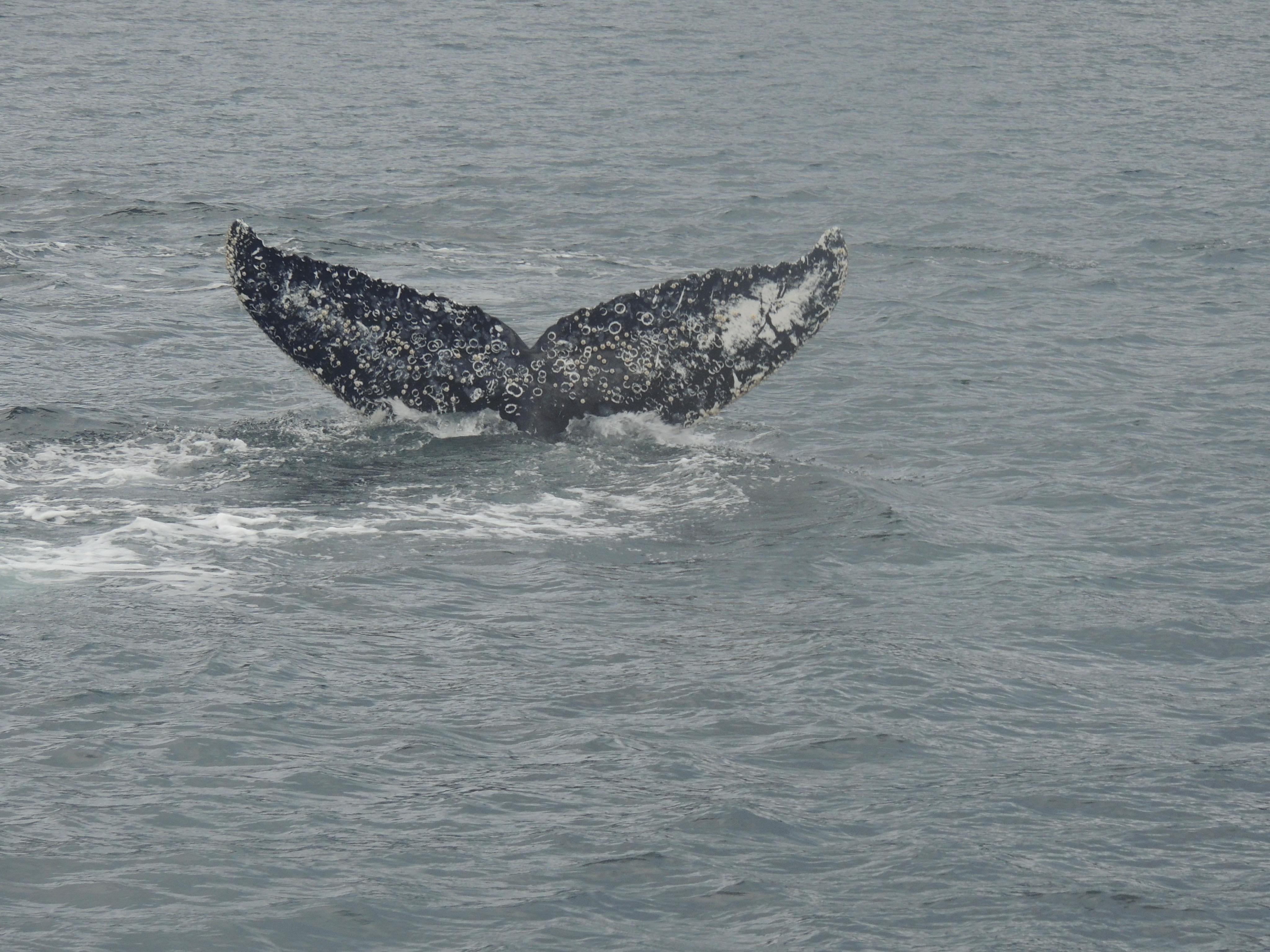
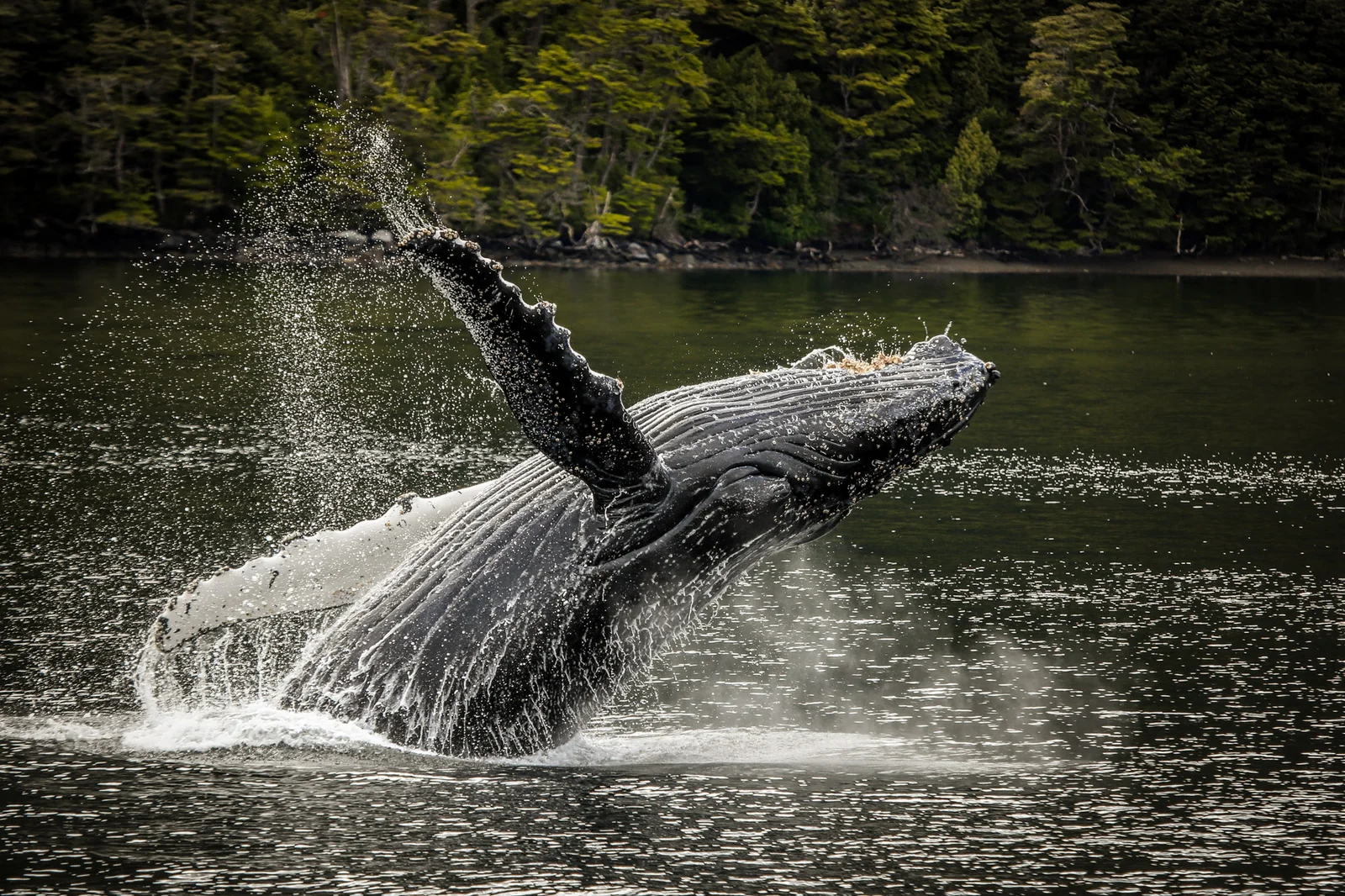
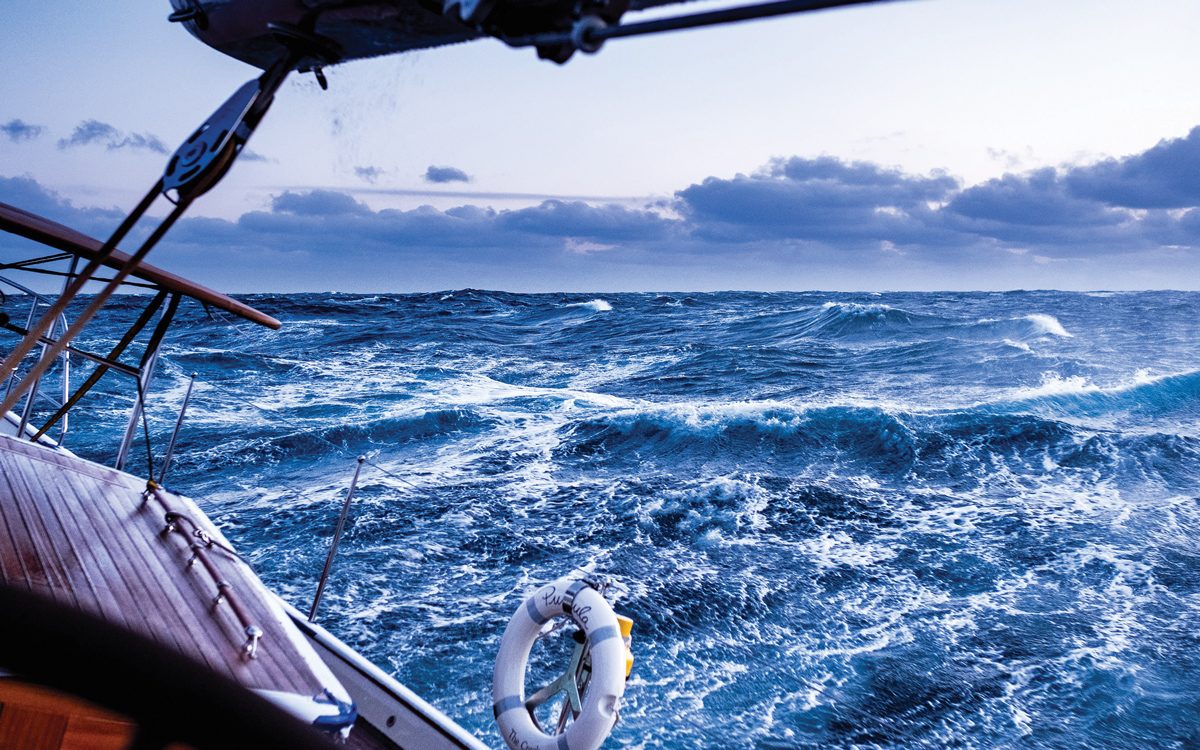
By six o'clock the boat reaches the first sighting zone, where upwelling currents concentrate krill and small fish. A humpback surfaces forty metres off the starboard rail, exhales a columnar mist, then sounds with its fluke raised vertical against the sunrise. You watch the water for ten minutes until it breaches a hundred metres ahead, twisting mid-air before crashing back in a white eruption. The cold air smells of salt and diesel and something faintly organic, like wet wool.
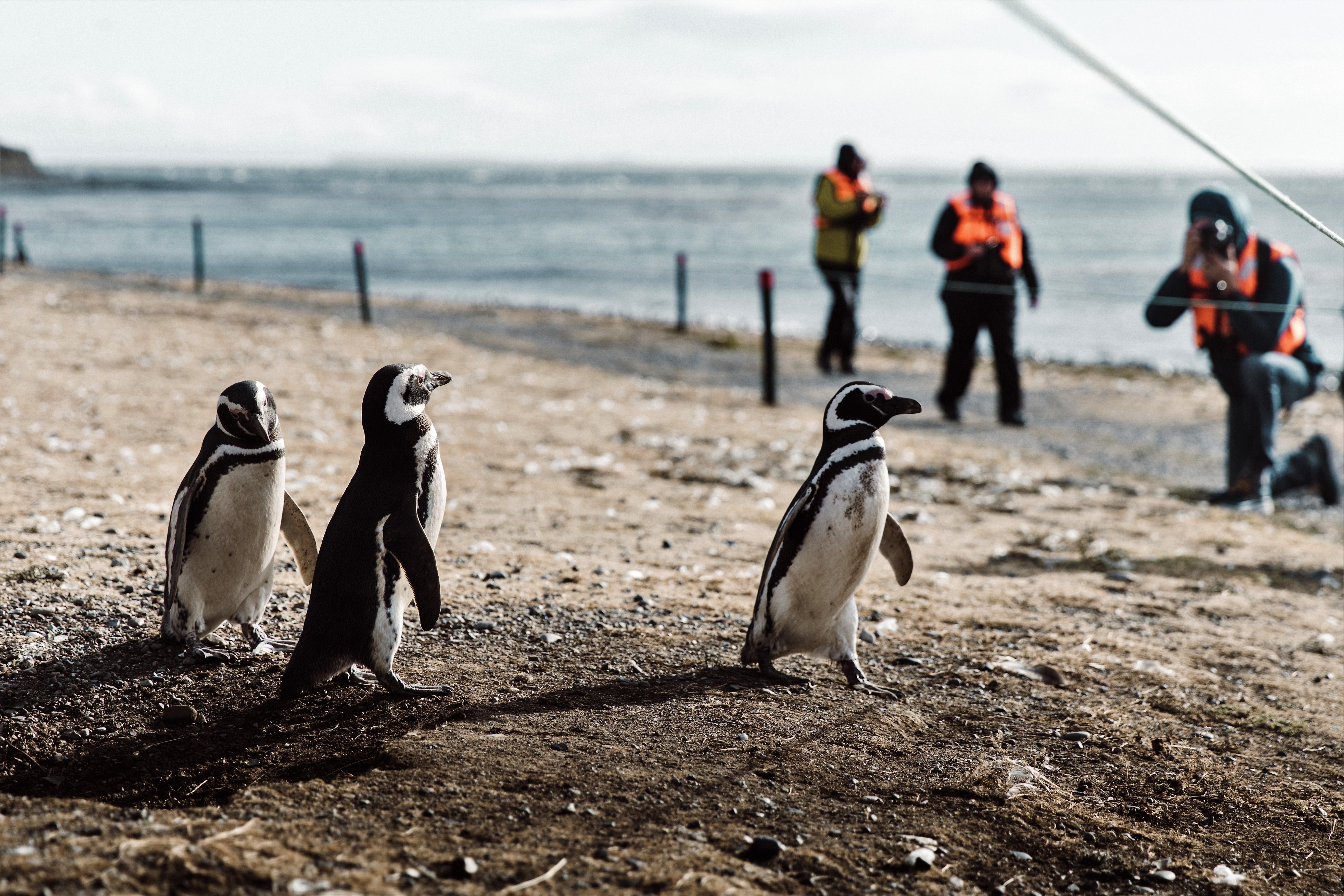
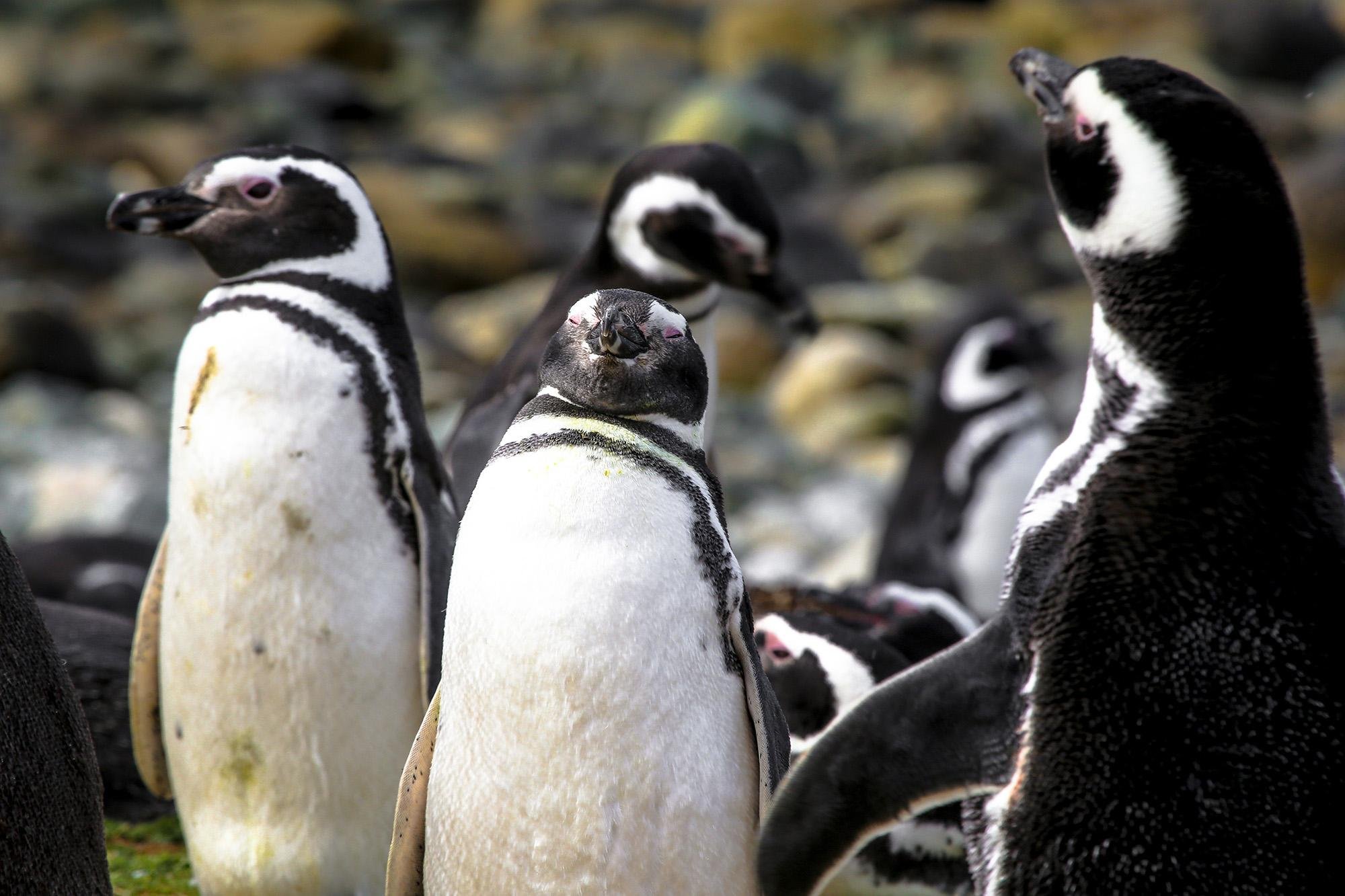
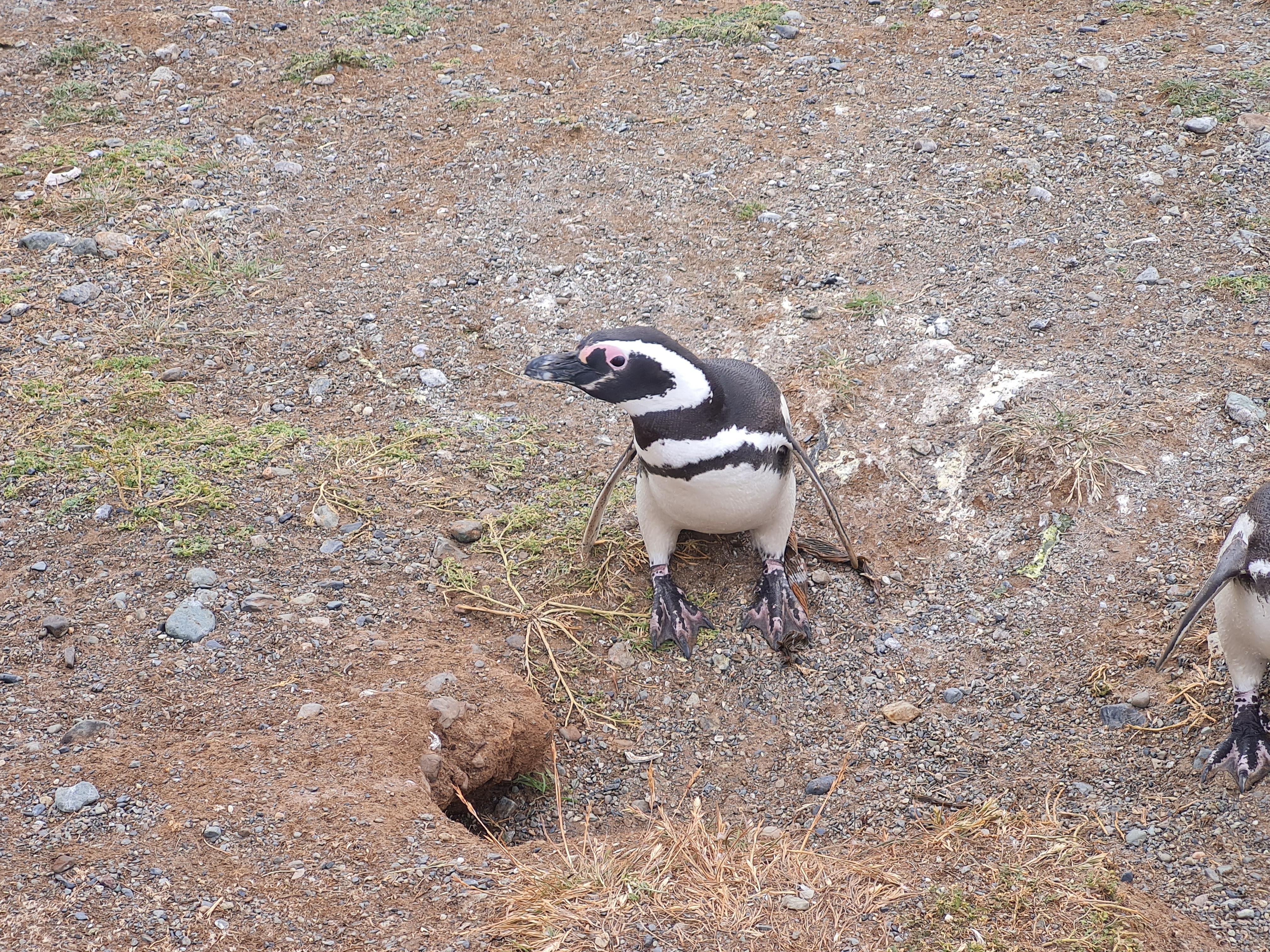
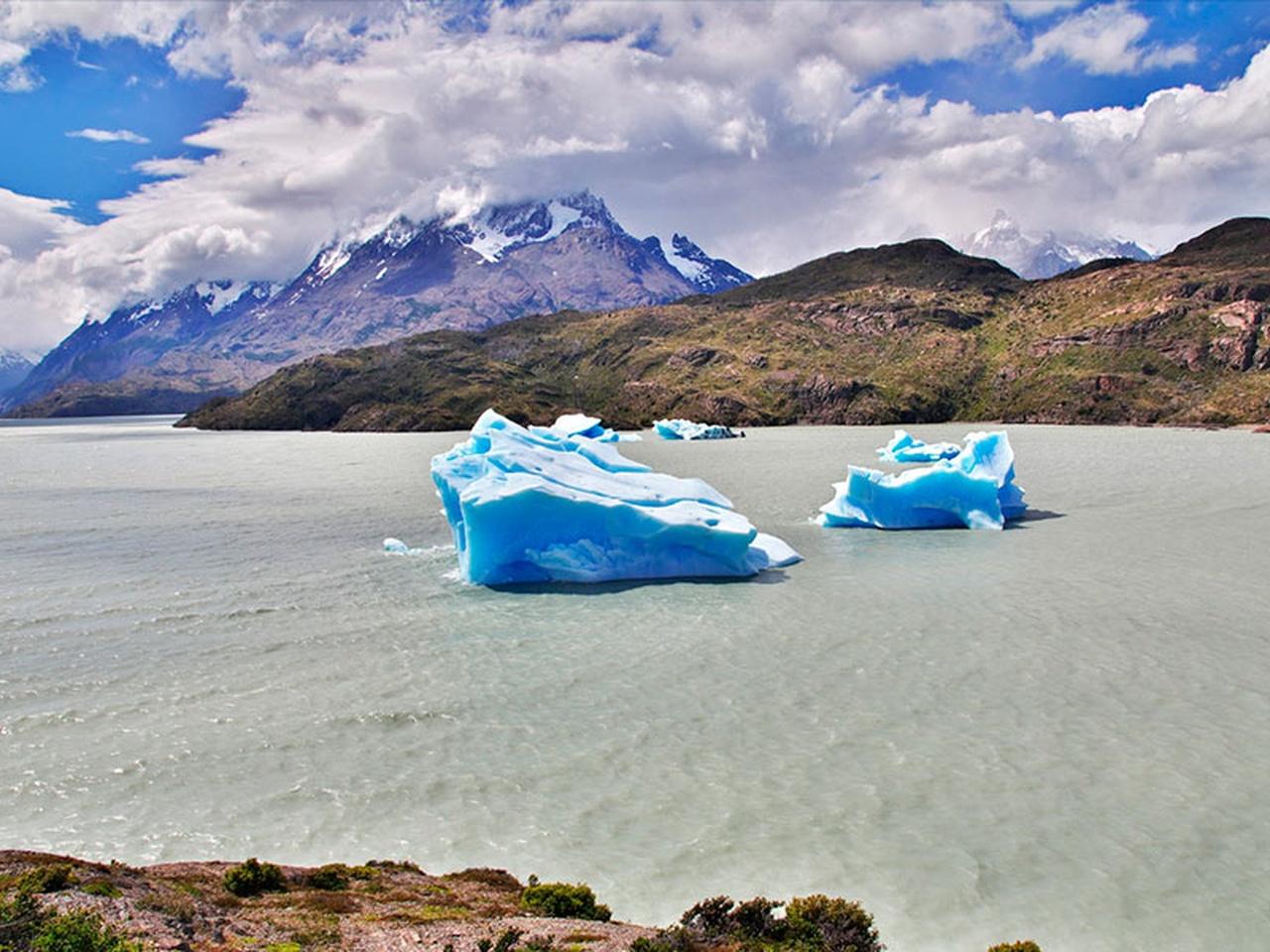
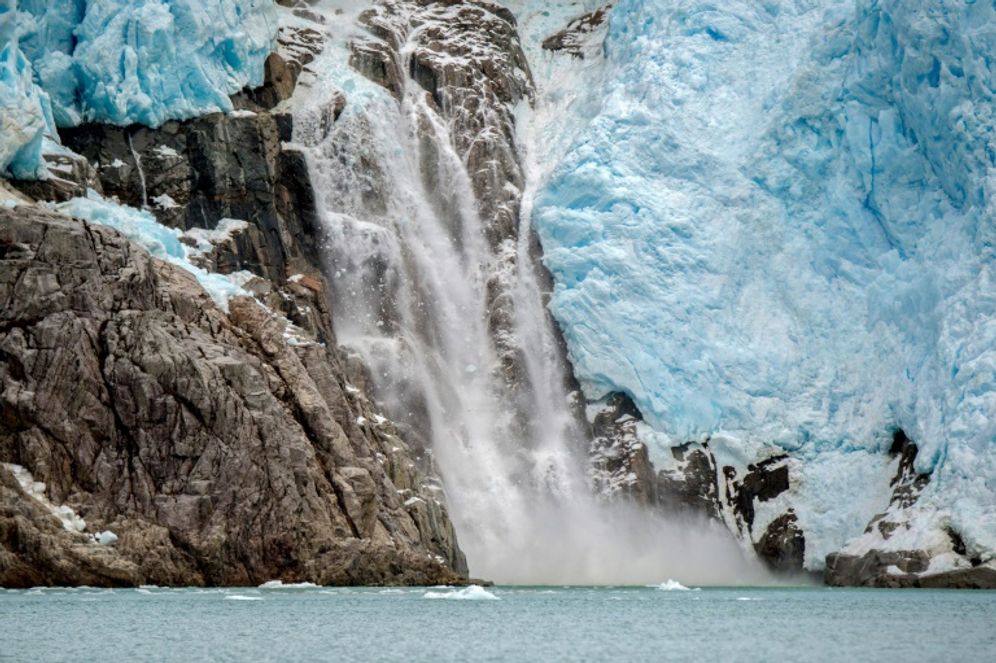
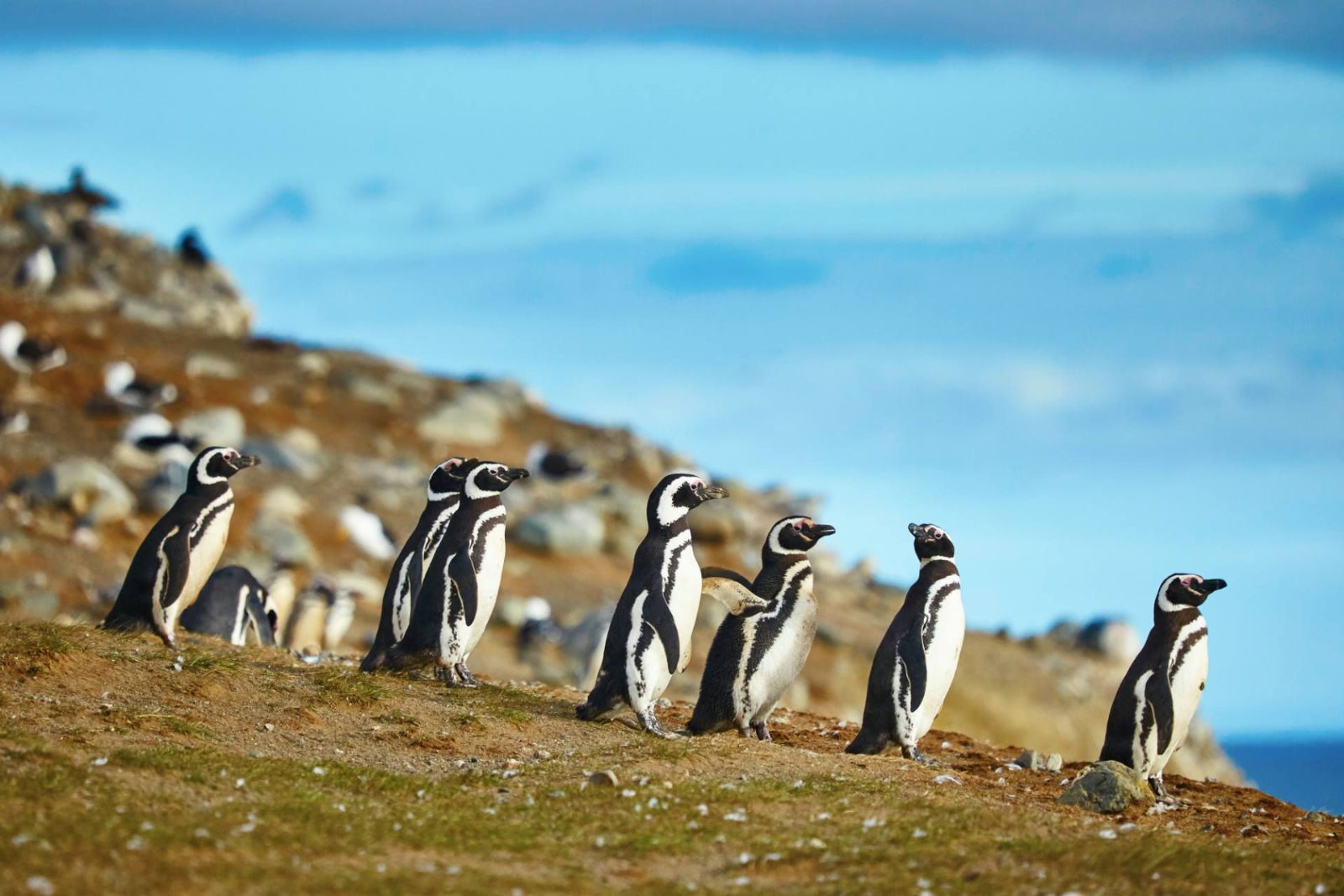
The vessel continues south toward Cape Froward, passing a tidewater glacier that calves chunks of turquoise ice into the channel. You anchor offshore while passengers photograph the glacier face and listen to the irregular crack of ice fracturing under its own weight. On the return leg you stop at Magdalena Island, where eight hundred metres of boardwalk wind through burrows and nesting scrapes. Magellanic penguins waddle across the path, their black-and-white bodies streaked with guano, braying in pairs before disappearing underground.
All the details about your upcoming adventure in one place
The Strait of Magellan compresses the Pacific and Atlantic into a twenty-kilometre-wide channel where nutrient-rich currents draw humpback whales, sei whales, and orcas within sight of calving glaciers.
Ferdinand Magellan's 1520 passage gave Europe its first navigable route around South America, but the waterway remained a graveyard for wooden ships until steam power arrived in the nineteenth century. Today the strait functions as both a biological corridor and a historical artery, its tidal flats supporting Magellanic penguin colonies on Magdalena and Marta Islands while its deeper channels host year-round cetacean populations.
Punta Arenas occupies the only sheltered deepwater port along the Chilean shore of the strait, a position that made it the coaling station for clippers rounding Cape Horn before the Panama Canal opened in 1914. The city's wool-boom fortunes declined after 1920, but its location remained indispensable for scientific research and tourism access to the sub-Antarctic zone. Modern whale and glacier tour Punta Arenas expeditions depart from the same quays where nineteenth-century sealers and whalers once offloaded baleen and blubber, now repurposed for low-impact wildlife observation.
Cape Froward marks the southernmost point of the South American mainland, a granite headland where the Andes descend directly into the sea. The Darwin Range behind it holds more than thirty named glaciers, several of which terminate at tidewater level. Glaciar Parry and Glaciar Marinelli calve house-sized icebergs into channels that remain navigable only during austral summer, when daylight extends past twenty-one hours and surface temperatures permit extended boat operations. These glaciers have retreated an average of four hundred metres since systematic measurement began in 1945, leaving polished bedrock and terminal moraines that chart the ice's former reach.
Magdalena Island supports a breeding colony of sixty thousand Magellanic penguins, monitored since 1976 by the Chilean Antarctic Institute. The birds arrive in September to excavate burrows in the sandy substrate, lay two eggs per nest, and depart by March after their chicks fledge. Visitors walk a marked eight-hundred-metre path that threads between nesting zones without disturbing incubation cycles. Strait of Magellan wildlife expeditions frequently combine the penguin colony with open-water whale sightings, creating a single itinerary that spans both intertidal and pelagic ecosystems within a fifteen-kilometre radius of Punta Arenas harbour.

The Strait of Magellan compresses the Pacific and Atlantic into a twenty-kilometre-wide channel where nutrient-rich currents draw humpback whales within sight of calving glaciers.
Wear warm, layered, waterproof clothing suitable for sub-Antarctic climates. Sturdy, comfortable shoes or trekking boots are required for the whale and glacier tour punta arenas.
Travel light with a small backpack. Keep cameras and electronics in a waterproof pouch during the whale and glacier tour punta arenas to protect them from sea spray.
Photography is encouraged throughout the whale and glacier tour punta arenas. Please keep lenses protected from salt spray and moisture while on deck.
Children must be accompanied by an adult. Infants under 3 often travel free on this whale and glacier tour punta arenas, though age restrictions may vary by operator.
This tour is not wheelchair accessible due to the nature of boat boarding and remote maritime terrain. Most participants should have a moderate level of physical mobility for the whale and glacier tour punta arenas.
Breakfast, lunch, and a coffee service are provided on board. The whale and glacier tour punta arenas also typically includes a complimentary glass of whiskey with millennial ice.
Opening hours
04:00–17:30
Address
José Nogueira 1255, Punta Arenas, Chile
Accessibility
Not wheelchair accessible
Best arrival
04:00–04:15
Storage
Not available
Navigation
See https://soloexpediciones.cl
Car · 1 hour · Not included
Follow signs 50km south to Carrera Bay embarkation point.
Full refunds are available for cancellations made up to 24-48 hours in advance. No fee applies for the whale and glacier tour punta arenas as the 0 USD entrance fee is included in the tour price.
Recommended time
Full day
Participating in a whale and glacier tour punta arenas requires a full-day commitment due to the vast distances across the Strait of Magellan. Travelers should arrive at José Nogueira 1255 between 04:00–04:15, as tour departures are strictly scheduled early in the morning to maximize daylight for navigation. Because these whale and glacier tour punta arenas tours involve remote maritime transit, the schedule remains fixed regardless of individual pace, making the early start essential for securing your spot. Prospective guests should book whale and glacier tour punta arenas tickets well in advance to ensure availability for this expedition to the icy fjords.
Crowd levels through the day
Weather · crowds · average price — dots go green to amber to red as each metric rises.
Early season start with milder temperatures and high wildlife activity.
Peak summer weather, ideal for whale and glacier tour punta arenas sightings.
Consistent daylight hours, perfect for navigation in the Strait of Magellan.
Final month of the whale and glacier tour punta arenas season with decreasing crowds.
Ensure a full night's sleep before your whale and glacier tour punta arenas, as the 04:00 AM start requires early rising.
Navigation is weather-dependent, so confirm your departure status the evening before your scheduled whale and glacier tour punta arenas.
Patagonian weather changes rapidly, so keep your waterproof layers accessible even on sunny days.
Commercial whale watching in the Strait of Magellan emerged in the early 1990s, when Chilean tour operators in Punta Arenas began documenting consistent humpback whale migrations through the channels west of Tierra del Fuego. Before 1992, recreational navigation to the glacier fields of Cordillera Darwin remained the domain of scientific expeditions and supply vessels servicing remote estancias. The first combined whale and glacier tour punta arenas itinerary launched in 1994 aboard a converted fishing trawler, targeting the calving faces of Marinelli Glacier and seasonal humpback aggregations near Isla Dawson. Early departures were irregular, constrained by weather windows and the absence of modern navigation aids in the fjords. By 2003, satellite telemetry confirmed that humpback whales returning from Antarctic feeding grounds passed through Francisco Coloane Marine Park between March and May, prompting the Chilean Navy to designate protected corridors and enforce minimum approach distances. Solo Expediciones, operating from José Nogueira 1255, standardized year-round whale and glacier tour punta arenas tours by 2008, integrating Zodiac landings at glacial moraines with cetacean observation protocols developed in partnership with Universidad de Magallanes. The 2010 eruption of Volcán Hudson deposited ash across southern Patagonian ice fields, accelerating glacial recession and altering calving patterns at several tour destinations. Operators adapted routes to prioritize stable glacier fronts while maintaining access to whale feeding zones. The introduction of stricter environmental permitting in 2016 reduced the number of licensed vessels in Magellanic waters, consolidating the industry around operators with certified marine biologists aboard. As of 2026, whale and glacier tour punta arenas tickets include mandatory briefings on marine mammal behavior, and all departures adhere to the 04:00–04:15 window to exploit peak tidal conditions and maximize daylight navigation through the Beagle Channel and adjacent fjords.
Chilean operators document humpback whale migration corridors through the Strait of Magellan, establishing the foundation for commercial cetacean observation.
First combined whale-and-glacier itinerary departs Punta Arenas aboard a converted trawler, targeting Marinelli Glacier and Isla Dawson whale zones.
Satellite telemetry maps humpback transit through Francisco Coloane Marine Park; Chilean Navy enforces protective approach distances.
Solo Expediciones standardizes year-round departures with Zodiac glacier landings and university-partnered whale observation protocols.
Volcán Hudson eruption accelerates glacial recession, forcing route adjustments to stable calving fronts while preserving whale access.
Environmental permitting reforms consolidate licensed vessels and mandate certified marine biologists on all commercial whale tours.
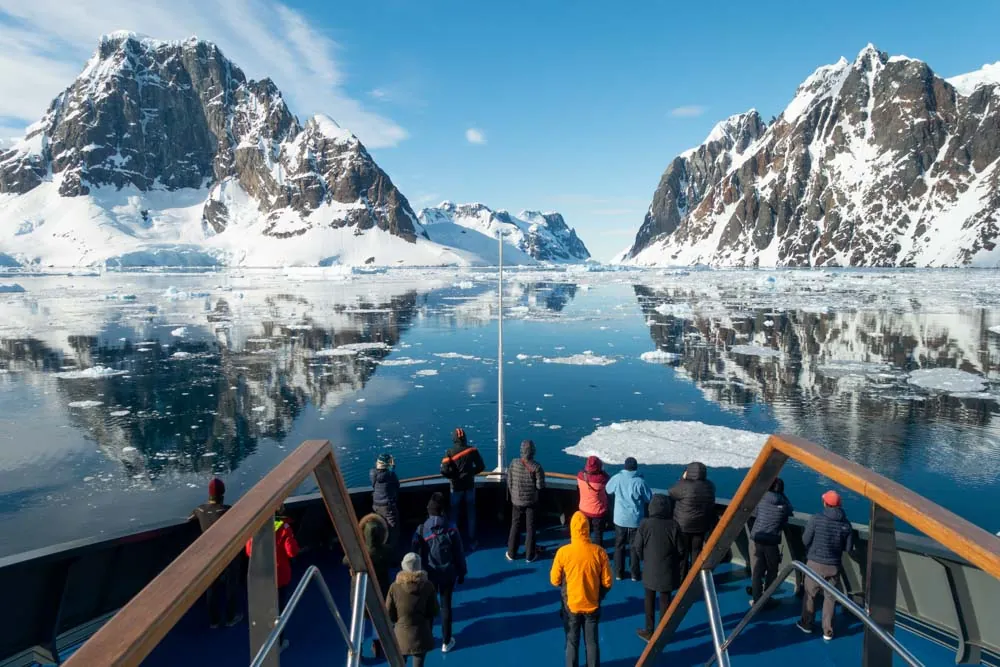
Position yourself at the very front of the vessel for unobstructed shots of the Strait of Magellan. This primary location offers the best perspective when a humpback whale and glacier tour punta arenas approaches marine wildlife.
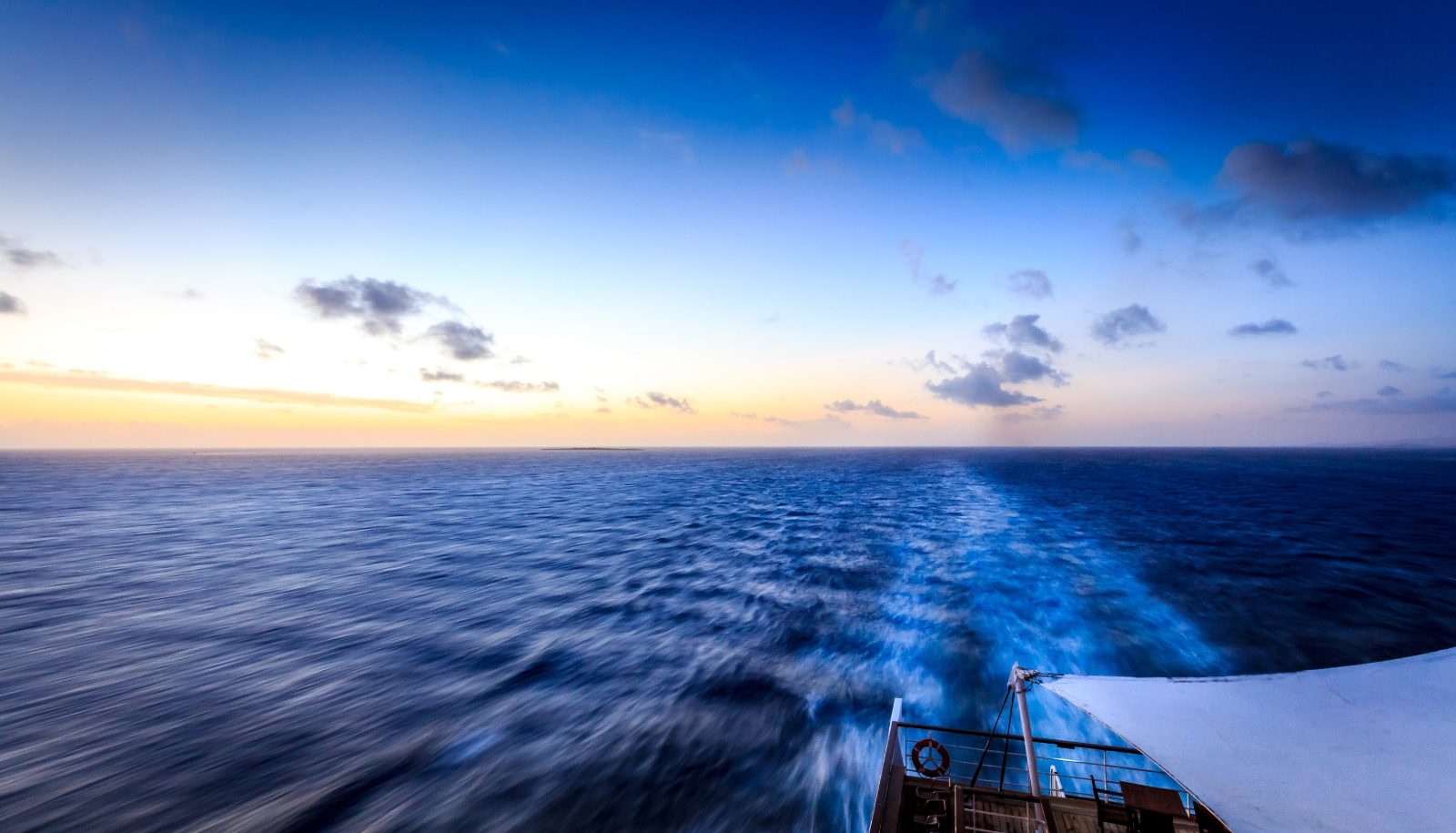
Head to the rear of the boat to capture the wake and the receding coastline as you travel toward the ice fields. This area provides a stable platform for photographing the maritime landscape during whale and glacier tour punta arenas tours.
Utilize the side walkways for close-up framing of iceberg formations passing by the ship hull. These narrow paths allow you to isolate individual ice textures during your whale and glacier tour punta arenas tour.
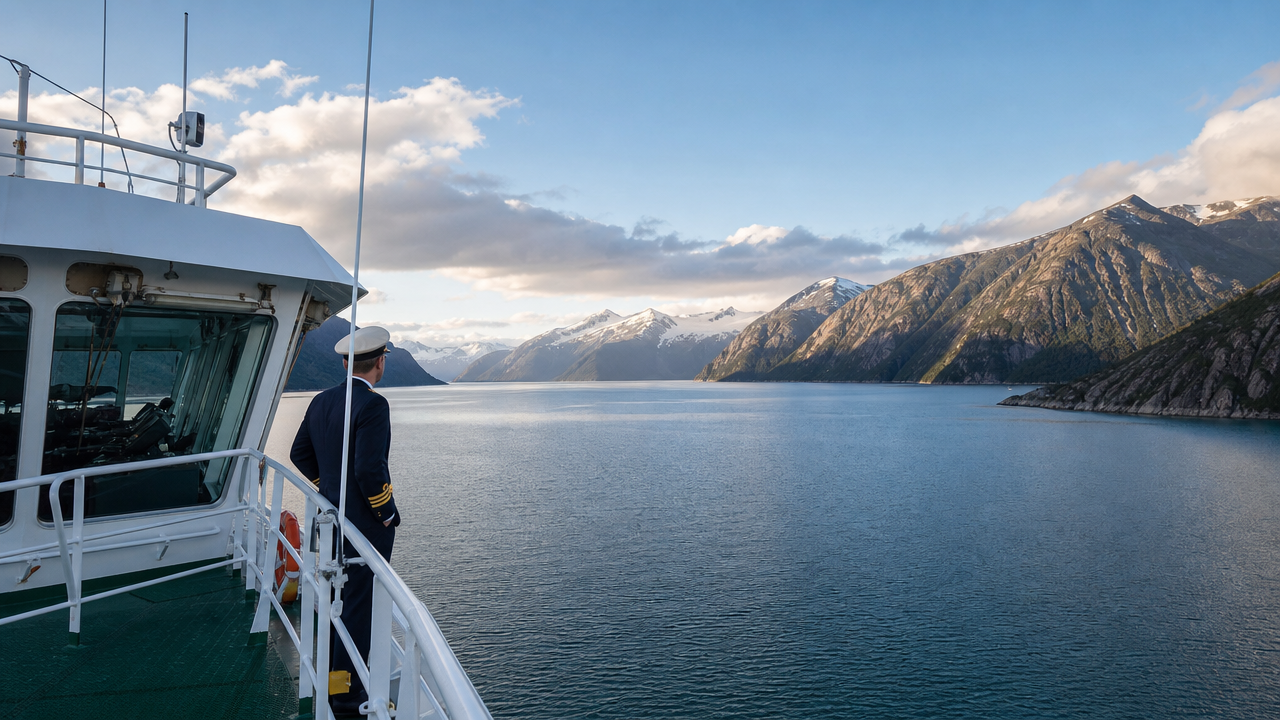
Seek clearance to shoot from the elevated area near the bridge to achieve a high-angle composition of the surrounding fjords. This vantage is ideal for those seeking whale and glacier tour punta arenas tickets for specialized nature photography.
Embarking on a whale and glacier tour punta arenas requires careful preparation for children due to the long duration of maritime excursions in the Magellan Strait. Managing expectations regarding open-water travel and variable weather is essential for a successful day out with your family.
Children should generally be school-aged and comfortable with extended boat travel, as these trips involve long hours on the water. It is important to assess your child's stamina before booking your whale and glacier tour punta arenas tour.
Punta Arenas weather changes rapidly, so dress children in multiple synthetic layers, including waterproof outer shells and thermal base layers. You can purchase specific whale and glacier tour punta arenas tickets that include gear recommendations, but bringing your own gloves and hats is advised.
The vessels used for these expeditions are typically expedition-style boats rather than luxury liners, meaning baby-change facilities are limited or non-existent. Parents should plan for basic sanitary conditions and bring all necessary supplies for the duration of the trip.
Expect a full day of navigation that begins early, as the best arrival window is 04:00–04:15. Because these Punta Arenas landmarks are located at a distance, the travel time can be taxing for younger participants who struggle with sitting still for several hours.
Pack a variety of high-energy snacks and sufficient water, as meal service on board may not cater to picky eaters. Having familiar sustenance helps maintain morale during long periods of observation between whale sightings and ice formations.
Since most departures near the whale and glacier tour punta arenas happen before dawn, on-site food is not available, so planning ahead is necessary. Most visitors grab a quick coffee or breakfast at the nearby cafes along José Nogueira once they return from their Magellan Strait excursion.
Located near the meeting point, this cozy spot serves excellent coffee and local pastries. It is perfect for a warm breakfast after your whale and glacier tour punta arenas tour.
Everything you need to know for your journey
The office for the whale and glacier tour punta arenas opens daily from 04:00 to 17:30 to facilitate early departures.
Unfortunately, the whale and glacier tour punta arenas is not wheelchair accessible due to boat deck logistics.
Bring warm, waterproof clothing, a hat, gloves, and sunscreen for your whale and glacier tour punta arenas.
Yes, children are welcome on the whale and glacier tour punta arenas, with specific rates often available for those aged 4–12.
Yes, breakfast and lunch are provided during the whale and glacier tour punta arenas.
You can cancel your whale and glacier tour punta arenas tickets up to 24–48 hours in advance for a refund.
The meeting point for the whale and glacier tour punta arenas is located at José Nogueira 1255.
The whale and glacier tour punta arenas typically lasts 12 to 14 hours total, including the transfer and boat navigation.
We recommend booking your whale and glacier tour punta arenas tickets for the December to March season to ensure the best weather conditions.
Central historic plaza featuring monuments and local artisan stalls.
Offers panoramic views of the city and the Strait of Magellan.
Famous for its manicured cypress trees and ornate mausoleums.
Historic hotel located in the city center near tour offices.
Multiple hostels and guesthouses available in the central grid.
Join thousands of happy travelers who have discovered this incredible experience
Book Your Experience Now