12 hr
Whales, Glaciers & Penguins: Full-Day Magellan Strait Expedition
- Expert local guide
- Small group
- Skip-the-line access
- Free cancellation
Whale Watching Punta Arenas — Strait of Magellan Humpback Expeditions
Dawn departures to Francisco Coloane, where humpbacks feed in glacial waters
Compare fares, pick the fit — all bookings are mobile-voucher and eligible for free cancellation where shown.
12 hr
12 hr
24 hr
| Experience | Duration | Rating | Skip-the-line | Guide | Small group | Free cancel. | Price | |
|---|---|---|---|---|---|---|---|---|
|
Guided Experience
Most popular
Whales, Glaciers & Penguins: Full-Day Magellan Strait Expedition
|
12 hr | ★ 4.8 | ✓ | ✓ | ✓ | ✓ | €315 | Book → |
|
Guided Experience
Strait of Magellan Wildlife & Glacier Expedition
|
12 hr | ★ 4.2 | ✓ | ✓ | ✓ | ✓ | €419 | Book → |
|
Guided Experience
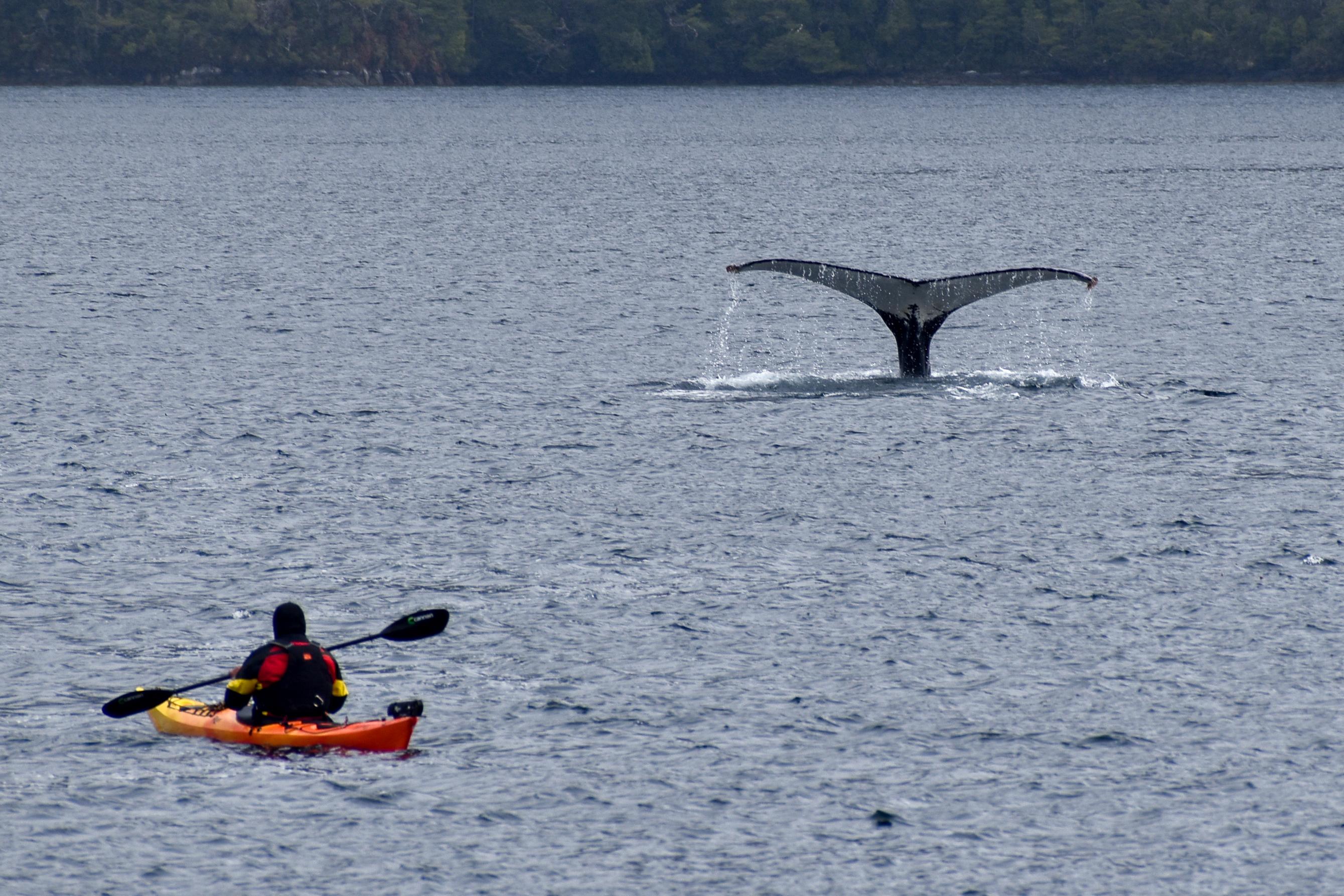
Kayak with Humpback Whales in Patagonia
|
24 hr | ★ 5.0 | ✓ | ✓ | ✓ | ✓ | €587 | Book → |
Worth it for wildlife enthusiasts and nature photographers
Commercial whale watching punta arenas tours typically run between $180–$250 USD per person for a full-day expedition into the Strait of Magellan and Francisco Coloane Marine Park. What you're paying for is access to one of the planet's most reliable humpback whale feeding grounds, with sighting rates exceeding 90% during the December-to-April season. Tours also encounter orcas, sei whales, dolphins, sea lions, and Magellanic penguins in their natural habitat. The investment reflects the logistics: boats navigate remote waters for six to eight hours, and group sizes remain small to minimize impact. For casual tourists or those prone to seasickness, the cost and commitment may outweigh the experience. But for anyone drawn to marine ecosystems and raw Patagonian wilderness, avistamiento de ballenas tours deliver encounters that few other destinations can match at this consistency.
Bottom line: If marine wildlife ranks high on your travel priorities and your budget accommodates the fare, whale watching punta arenas tickets are among the most dependable cetacean experiences in South America.
Strait of Magellan excursions offer accessible coastal sightings, while Francisco Coloane Marine Park expeditions provide a remote, deep-wilderness encounter with humpback whales. Whale watching punta arenas tours are ideal for shorter schedules, whereas the park is for dedicated wildlife enthusiasts.
|
Top pick Strait of Magellan |
Francisco Coloane Park | |
|---|---|---|
| Travel duration | 2–4 hours | 10–12 hours |
| Whale density | Moderate | High |
| Landscape features | Open water and coast | Glaciers and fjords |
| Physical intensity | Low | High due to remote transit |
| Availability | Daily departures | Limited seasonal expedition windows |
| Likelihood of sightings | Variable | High |
| See tickets & prices |
Verdict: Choose whale watching punta arenas tickets for convenient marine mammal spotting, or select a Francisco Coloane whale watching punta arenas tour for an immersive multi-day expedition experience.
Hand-picked experiences loved by thousands of travelers
5 hours
Free Cancellation
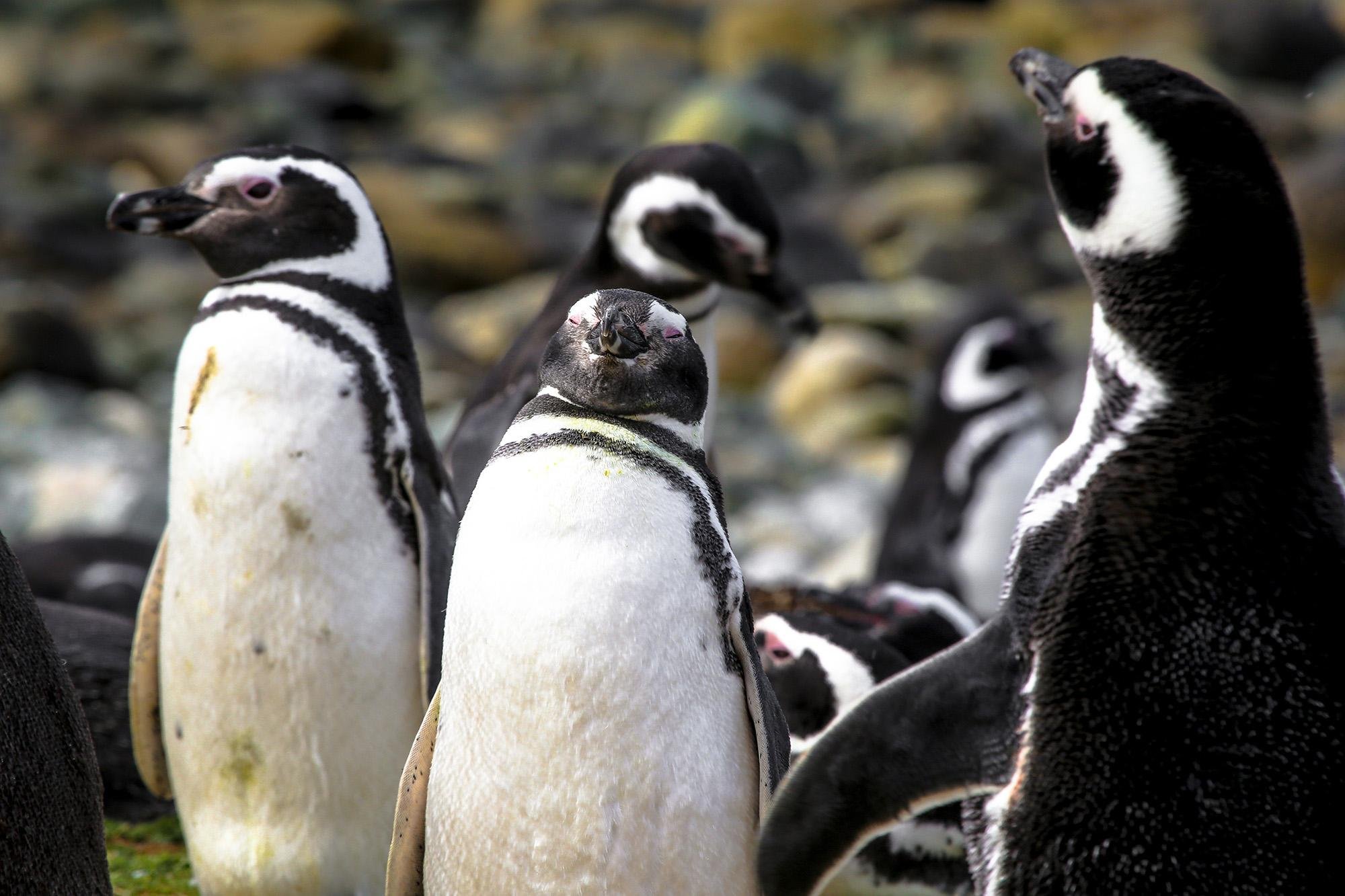
Speedboat adventure to witness 120,000 Magellanic penguins and sea lions in the Strait of Magellan
5 hours
Free Cancellation
Cruise to a protected island sanctuary and walk among thousands of Magellanic penguins in the wild
6 hours
Free Cancellation
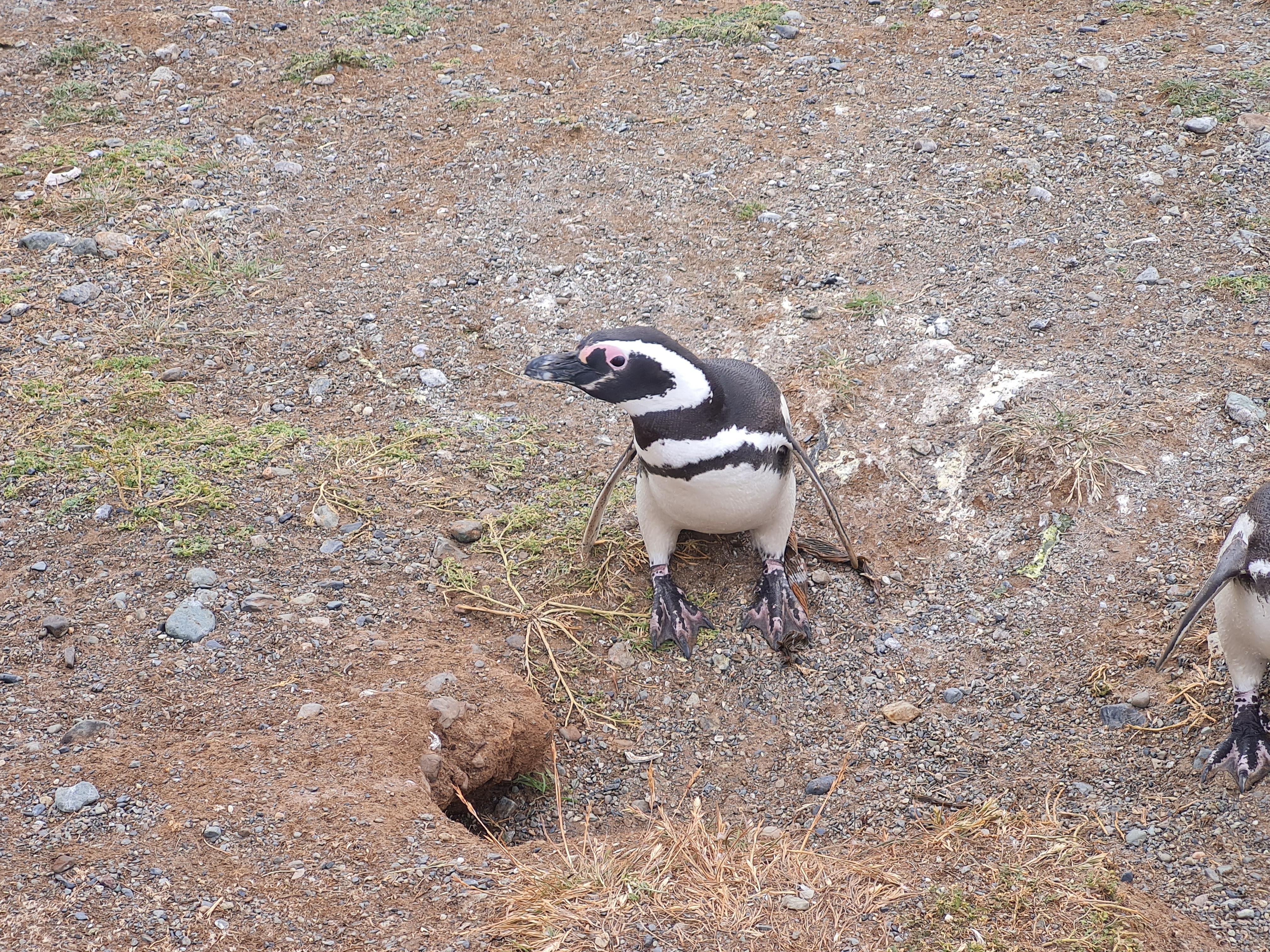
Sail the legendary strait to meet 60,000 pairs of Magellanic penguins on their remote island home
5 hours
Free Cancellation
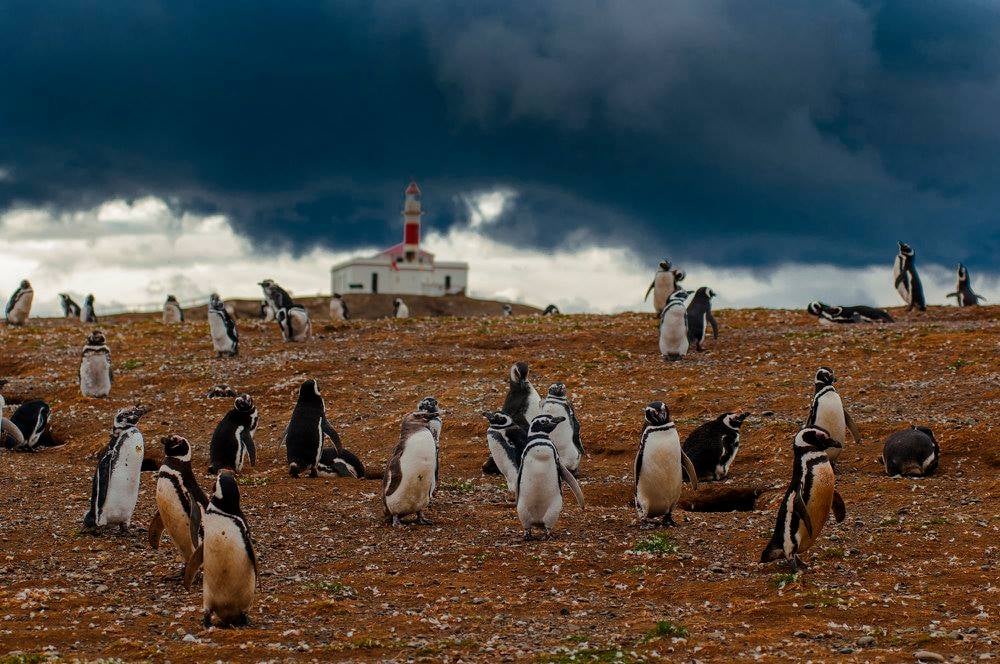
Cruise the Strait of Magellan to witness over 60,000 breeding penguin pairs at a protected natural monument
16 hours
Free Cancellation
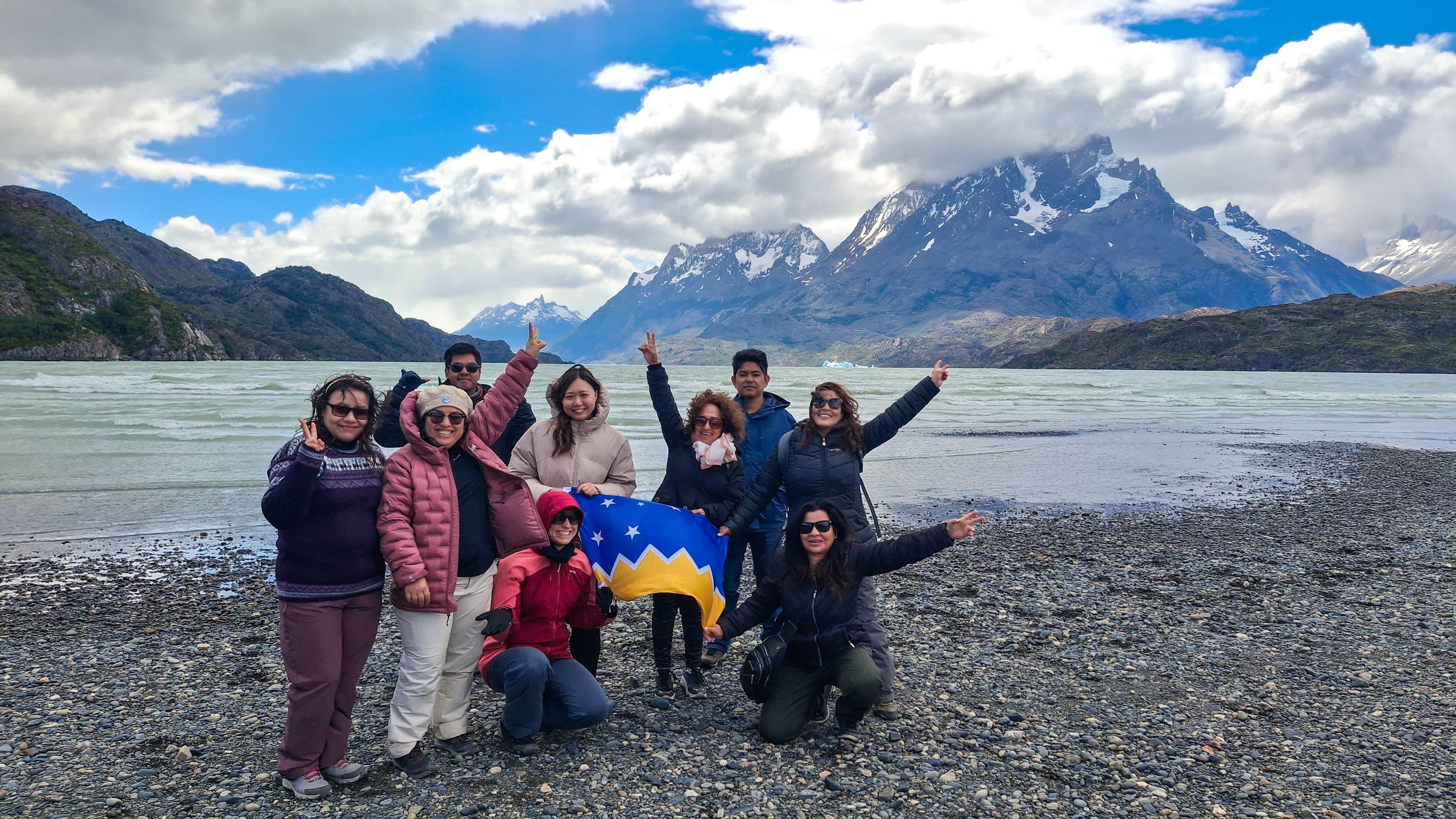
Discover Patagonia's crown jewel on a guided expedition through glacial lakes, towering peaks, and ancient caves.
16 hours
Free Cancellation
Journey through Patagonia's crown jewel: towering peaks, glacial lakes, and ancient caves in one epic day
8 hours
Free Cancellation
Hike 11km along Magellan's wild coast to the continent's southernmost lighthouse through pristine Patagonia
14 hours
Free Cancellation
Journey to the edge of the continent and witness majestic King Penguins in their natural habitat
Arrival at meeting point for safety briefing
Transit through the Strait of Magellan
Marine park arrival and observation
Historic passage connecting the Atlantic and Pacific oceans, known for turbulent yet vibrant waters. The area serves as a primary corridor for marine migration.
Marine Wildlife Zone
Patagonian Coastal Views
Marine Biodiversity Cluster
Expedition Vessel
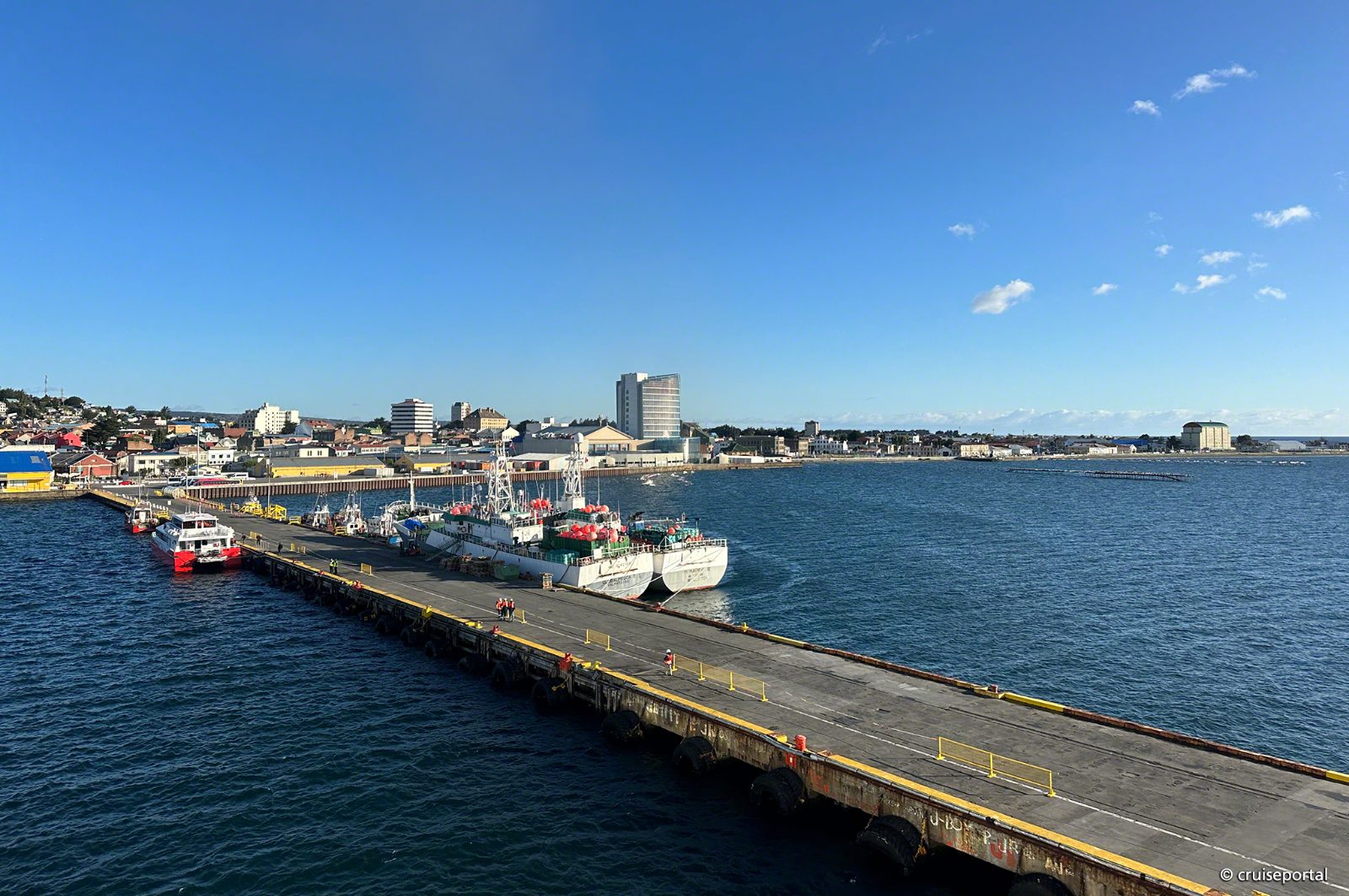
You board at José Nogueira pier in pre-dawn darkness, the Strait still and black under a fading moon. The vessel motors south past the last streetlights of Punta Arenas, then opens throttle as the channel widens.
Sixty minutes out, the Cordillera Darwin emerges on the port side, glaciers glowing pale blue in the first light. The captain cuts speed at the Francisco Coloane boundary marker, and the naturalist briefs you on approach protocols: no sudden movements, no loud voices, cameras on silent mode.
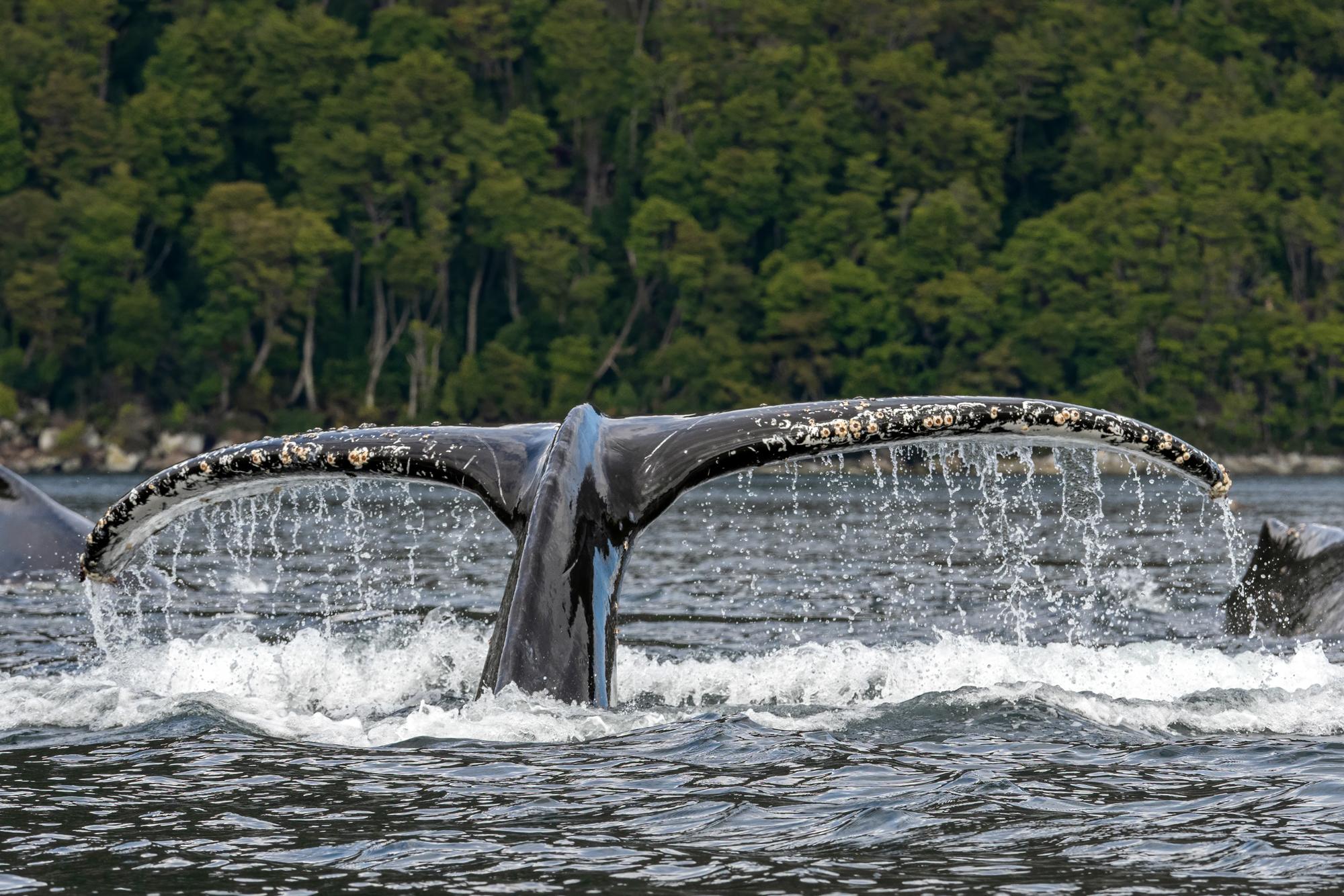
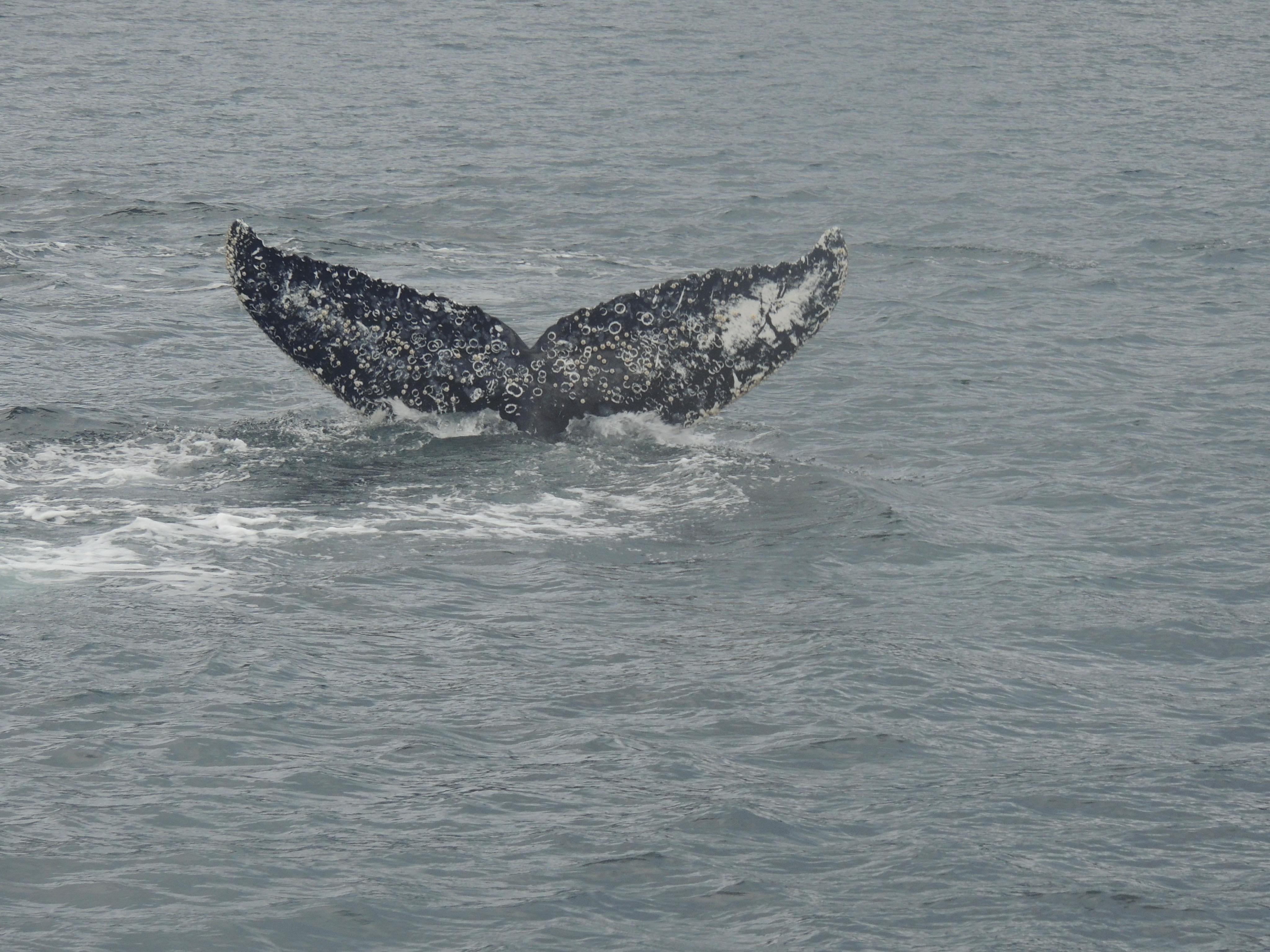
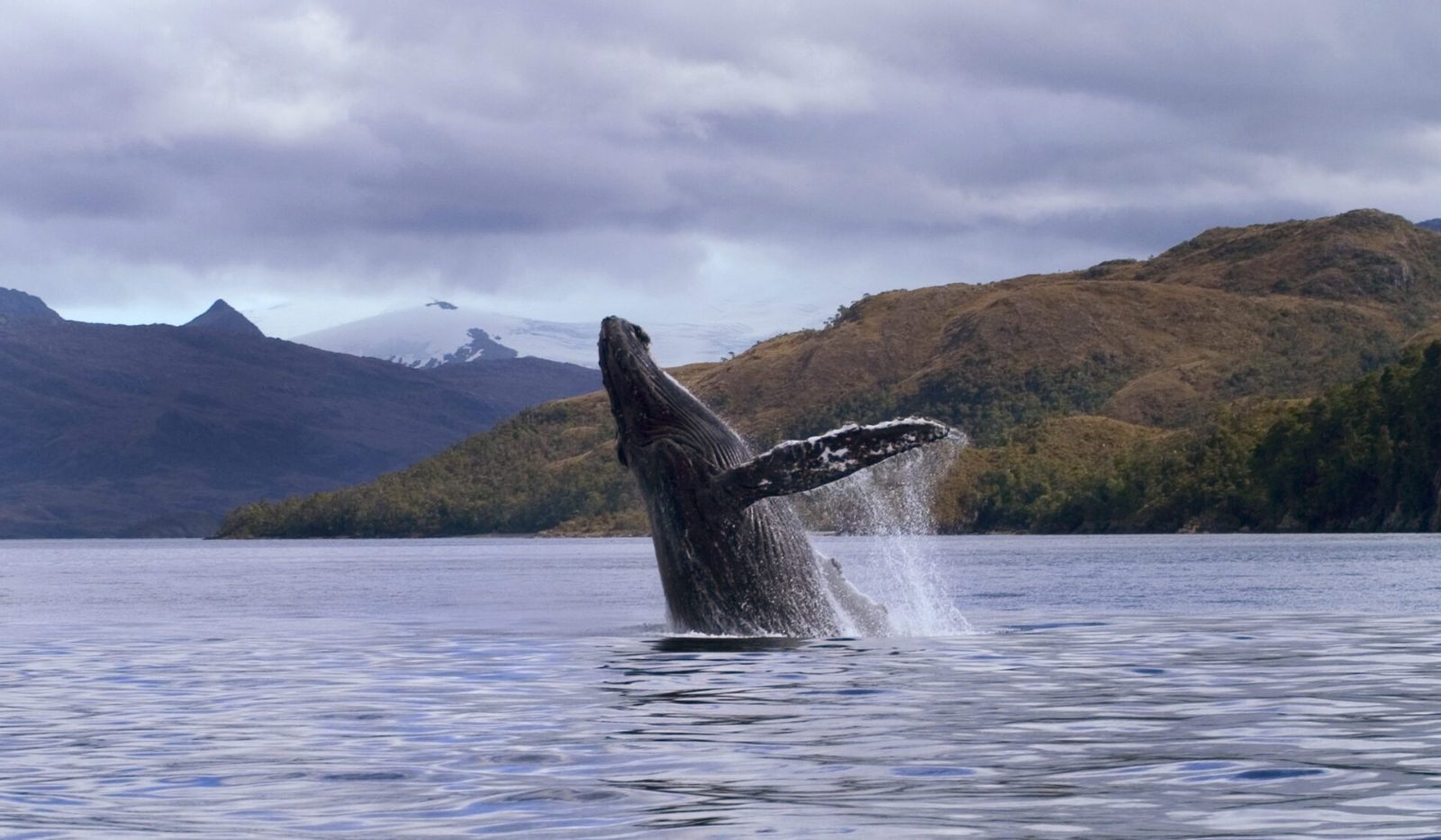
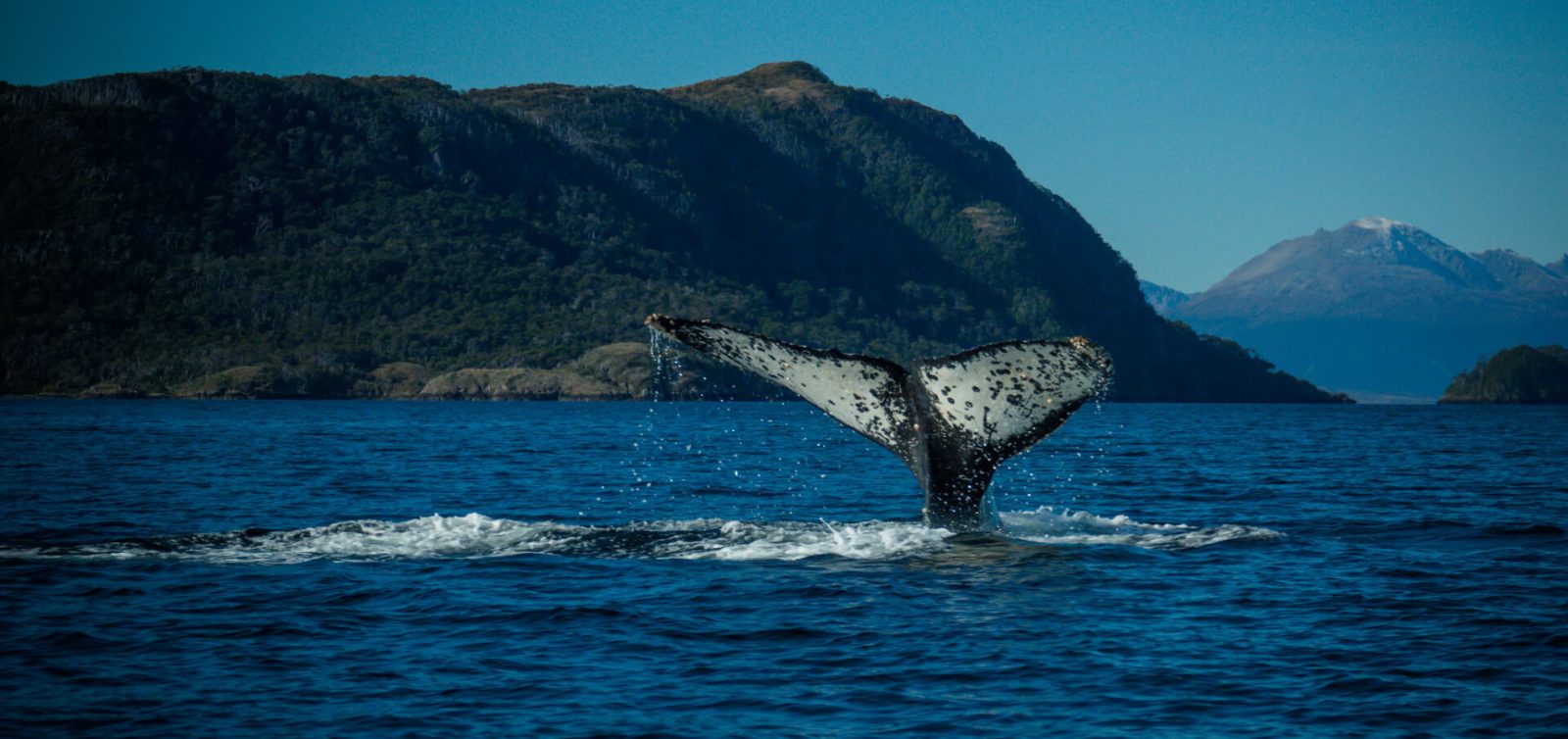
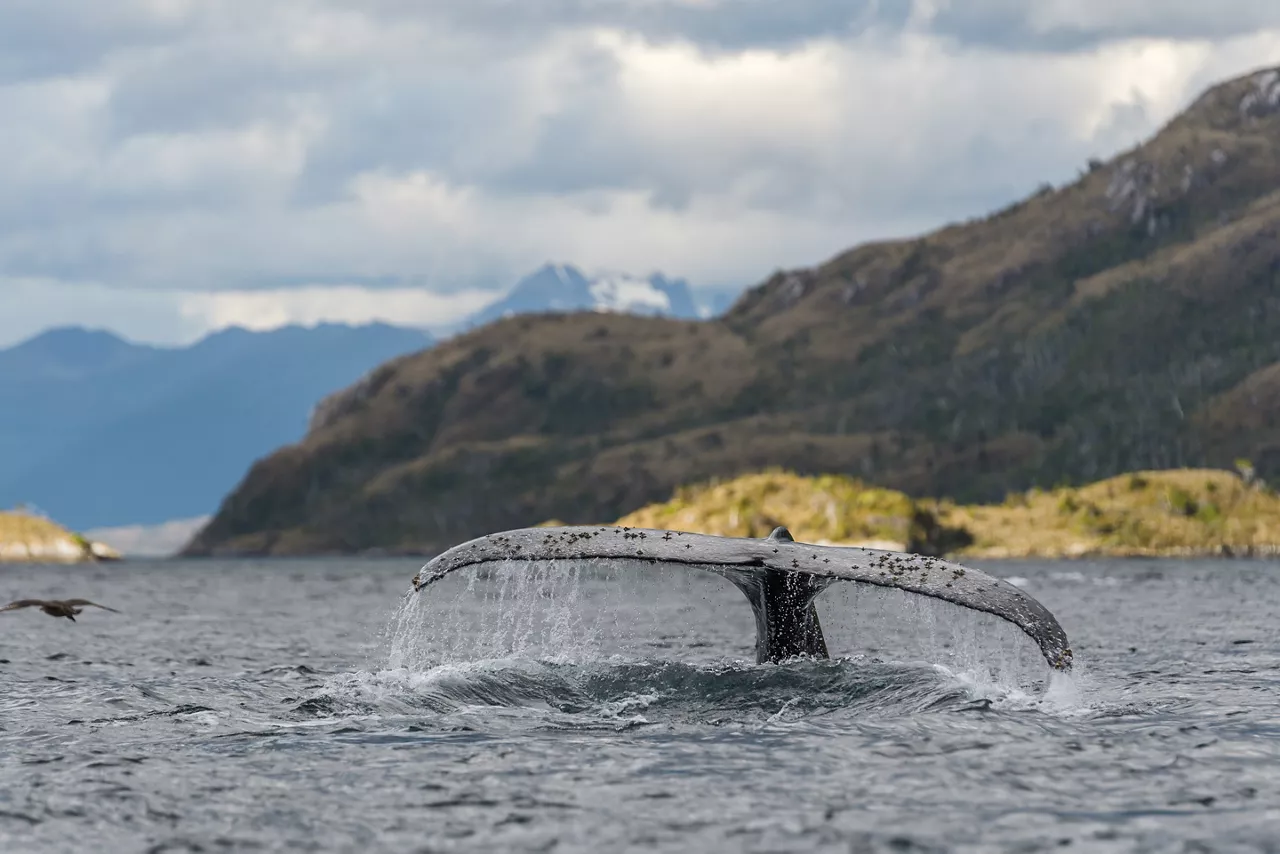
The first blow appears off the starboard bow—a vertical plume six metres high, lit gold by the rising sun. The humpback surfaces twice more, its knobbed rostrum breaking the water in slow motion, then arches into a dive and raises its fluke. You photograph the black-and-white underside pattern while the guide logs the whale's catalogue number. Twenty minutes later, a pair begins bubble-net feeding fifty metres ahead, circling beneath a krill swarm and rising open-mouthed through the centre. You watch the pleated throat grooves expand, seawater pouring from the baleen as the whales sink back under.
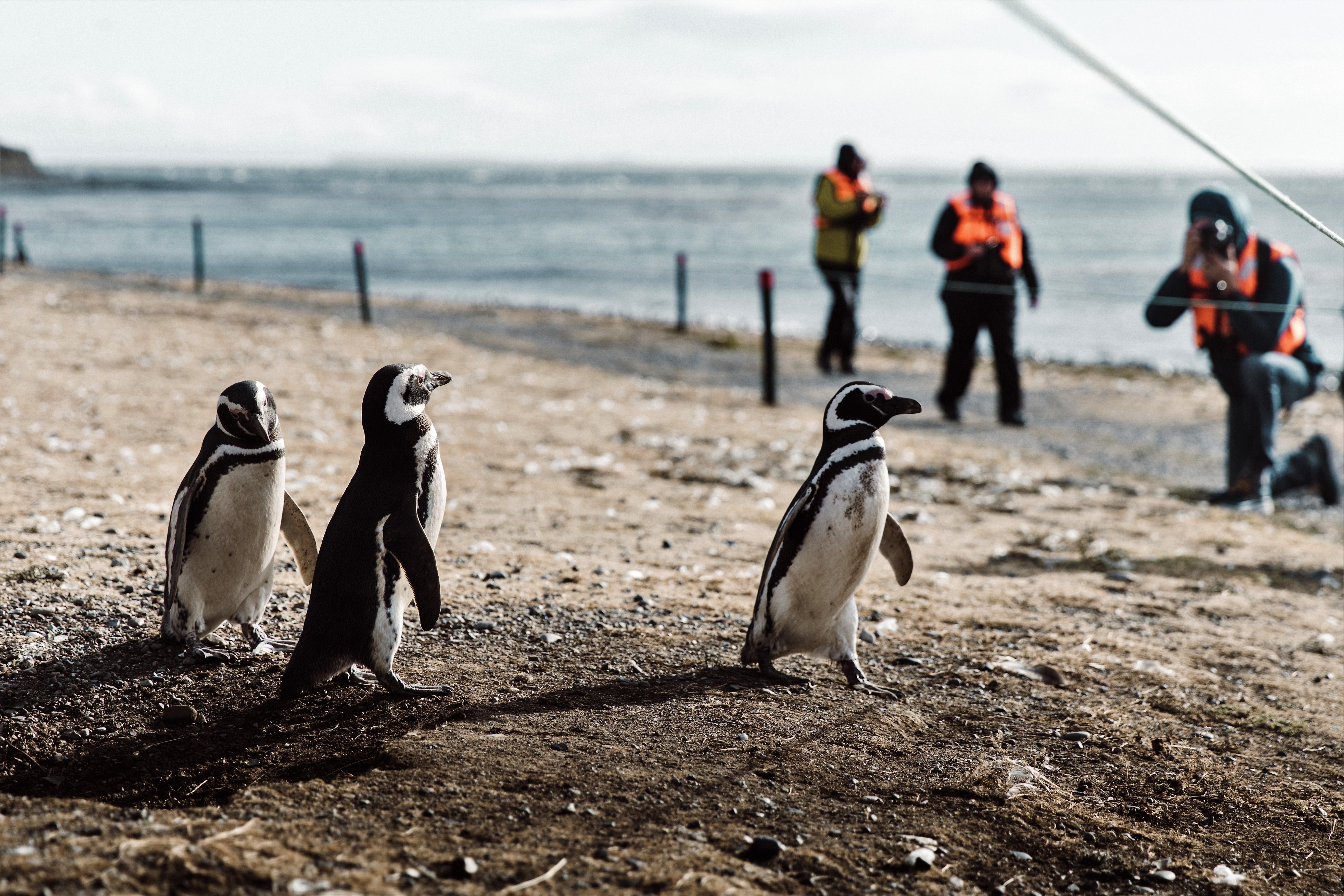
The return crossing takes two hours. Magellanic penguins porpoise alongside the hull, and a pod of Peale's dolphins rides the bow wave past Isla Magdalena. You dock by mid-afternoon, salt-crusted and silent.
All the details about your upcoming adventure in one place
Witness humpback whales breach in the Strait of Magellan on guided whale watching punta arenas tours departing from Chile's southernmost port. Marine biologists lead excursions through protected waters where humpback and sei whales migrate between feeding grounds, with sightings possible from December through April. Zodiac vessels and passenger boats navigate Francisco Coloane Marine Park, where whale watching punta arenas operators follow strict distance protocols to protect cetacean populations.
Francisco Coloane Marine Park, established in 2003 as Chile's first maritime protected area, shelters 67,197 hectares of sub-Antarctic waters where the Strait of Magellan meets the Pacific.
The park was named for the Chilean novelist who chronicled Patagonian maritime life, and its boundaries were drawn to protect the only known humpback whale feeding ground along the Chilean coast. Between December and April, southern humpbacks migrate 8,000 kilometres from the Bellingshausen Sea to feed on dense krill blooms stirred by tidal currents that reach four knots. The whales arrive lean and depart with blubber reserves built for the return journey to Antarctic waters.
Whale watching punta arenas chile expeditions launched commercially in 2005, after marine biologists confirmed that the Strait's cold, nutrient-rich upwellings create feeding conditions found nowhere else on the Chilean seaboard. Tour operators work under strict federal guidelines: vessels must cut engines 300 metres from any cetacean, and only twelve boats may enter the park's core zone each day. The regulations have kept encounter rates high—over 90 percent of December through March departures report humpback sightings—and whale behaviour undisturbed. Breaching, tail slapping, and close-range bubble-net feeding remain routine observations.
The Strait of Magellan crossing itself holds weight beyond the whales. Passengers navigate the same waterway that Ferdinand Magellan charted in 1520, a 570-kilometre channel separating mainland South America from Tierra del Fuego. The route passes Isla Carlos III, where Magellanic penguins nest in burrows drilled into peat cliffs, and skirts the Cordillera Darwin, whose glaciers calve directly into saltwater. Weather in the Strait shifts without warning—clear mornings can turn to forty-knot winds by midday—and captains rely on real-time satellite data to thread safe passages between the park's outer islands.
Whale season punta arenas runs from late November through late April, tracking the humpbacks' feeding cycle. Peak activity falls between mid-December and February, when krill concentrations reach their annual maximum and whales spend up to eighteen hours a day feeding. Tour vessels carry certified naturalist guides who identify individual whales by fluke patterns and dorsal fin scarring, some of which have been catalogued since the park's founding. The longest-documented return visitor, a female designated FCP-007, has been sighted in twenty consecutive seasons.

Only twelve boats may enter the park's core zone each day, keeping encounter rates above 90 percent.
Wear thermal base layers, waterproof outer shells, and windproof jackets suitable for maritime environments. Sturdy, non-slip footwear is essential for safety on wet boat decks during whale watching punta arenas tours.
Keep personal items in small, waterproof dry bags. Large luggage is generally prohibited due to limited storage capacity on expedition vessels.
Use waterproof housings for cameras and lenses to protect equipment from sea spray. Spare batteries are recommended as cold temperatures drain power faster during whale watching punta arenas.
Children must be accompanied by an adult at all times while on board. Ensure life vests are properly fitted for younger participants before departing for whale watching punta arenas.
Vessels used for whale watching punta arenas operations often lack wheelchair ramps. Passengers must be able to navigate steep ladder steps to board.
Carry high-energy snacks and water in reusable bottles. Some operators provide light refreshments, but bringing your own supplies is advised for the duration of the marine trip.
Opening Hours
04:00–18:30
Address
José Nogueira 1255, Punta Arenas, Chile
Physical Access
Vessel boarding requires climbing ladder steps
Best Arrival
04:00–05:00
Storage
Limited space on tour boats
Navigation
Strait of Magellan marine navigation
Taxi · 15 min · Standard city fare
Most efficient method to reach the office early
Walk · 10 min · 0 USD
Viable for those staying in the city center
Cancellations made at least 48 hours in advance are eligible for a full refund. The 0 USD entrance fee refers to site access, while commercial tour fees are subject to specific operator contracts.
Recommended time
Full day (8-10 hours)
Most whale watching punta arenas excursions require a full day commitment due to the significant travel time through the Strait of Magellan. You should plan your arrival for the 04:00–05:00 window to ensure you reach the marine park before afternoon winds increase, which often happens when booking whale watching punta arenas tours. Crowd levels remain consistent across the fleet since capacity is limited by the number of authorized vessels, meaning you secure your experience by confirming your whale watching punta arenas tickets well in advance.
Crowd levels through the day
Weather · crowds · average price — dots go green to amber to red as each metric rises.
High activity for baleen whales and warmer weather
Lower crowds with calm sea conditions
Migration season with frequent whale sightings
Sea conditions dictate boat departures. Consult the captain the evening before your scheduled whale watching punta arenas tour.
Even on calm days, the Strait of Magellan can be choppy. Take preventative measures 30 minutes before boarding.
Temperatures fluctuate significantly between the dock and the open ocean. Avoid bulky single layers.
Popular dates sell out weeks ahead. Secure your whale watching punta arenas tickets early to guarantee a spot.
The crew provides essential information on whale behavior and marine biology during the journey.
José Nogueira 1255, Punta Arenas
Confirm booking at the tour office counter
Get directions
Exploring the majestic marine life of the Strait of Magellan is a memorable experience for families, but whale watching punta arenas requires careful preparation due to the long duration and remote nature of the sea travel. Successful trips depend on managing expectations for a full day of navigation through these wild southern waters.
These expeditions typically last 12-14 hours and involve early morning departures, which may be challenging for younger children who tire easily during long days on the water.
Given the nature of boat travel in the Strait of Magellan, consult your pediatrician about motion sickness prevention and consider choosing a catamaran for better stability during your whale watching punta arenas tour.
While many vessels offer onboard dining and seating, be prepared for limited space and ensure your family is comfortable with basic amenities as you travel toward Francisco Coloane Marine Park to buy whale watching punta arenas tickets.
These adventures are not wheelchair accessible and require participants to be mobile enough for boat boarding, as you will likely be spending a significant amount of time in an open-water environment.
Bring layers for the chilly Patagonian weather and ensure you have activities for quiet moments during the long transit, as these whale watching punta arenas tours focus on patient observation of the marine habitat.
Real experiences from real travelers
We spotted five humpback whales during our morning tour through the Strait of Magellan. The crew was knowledgeable about marine behavior and positioned us perfectly for photos. Water was calm and the Tierra del Fuego backdrop made every moment special
Our whale watching punta arenas tour delivered beyond expectations with both orca and humpback sightings. The zodiac allowed us to get responsibly close while the guide explained feeding patterns. Cold wind off the strait so bring layers
Departed at 7am and saw three whale species including a rare southern right whale. The operator respected distance guidelines while still giving us remarkable views. Strait crossing was smooth and crew provided hot chocolate on return
Saw two humpbacks feeding near Magdalena Island during our three-hour trip. Weather turned rough halfway through which limited our range. Still a solid experience for marine life photography
The whale watching punta arenas tours operate in one of the most pristine marine environments I've visited. We observed a mother humpback teaching her calf to breach. Guide's passion for cetacean conservation was evident throughout
Crew identified individual whales by fluke patterns and shared research data from ongoing monitoring programs. Saw four humpbacks and dozens of Magellanic penguins. The Strait of Magellan biodiversity is remarkable
Booked one of the last whale watching punta arenas tickets before winter and lucked into a superpod of over twenty humpbacks. Water temperature was dropping which concentrated krill and brought whales close to shore. Unforgettable afternoon
Safety briefing was thorough and equipment was well-maintained. Spotted whales within thirty minutes of leaving Punta Arenas harbor. The southern light at this latitude creates perfect conditions for wildlife observation
Our kids were mesmerized watching a juvenile humpback play near the boat during our whale watching punta arenas tour. Crew engaged them with facts about migration routes and baleen feeding. Smooth ride and respectful wildlife approach
The combination of whales, seabirds, and dramatic Fuegian landscape makes this route special. Our guide pointed out distinctive blow patterns to help us identify species from distance. Water clarity allowed us to see whales swimming beneath the surface
Everything you need to know for your journey
Operators maintain a schedule from 04:00–18:30 to maximize marine viewing windows. You should arrive for your whale watching punta arenas tour between 04:00–05:00.
There is 0 USD entrance fee for the marine park, as the activity is exclusively a commercial whale watching punta arenas tour.
Vessel access requires climbing ladder steps, which may challenge those with limited mobility. Please verify accessibility needs when booking your whale watching punta arenas tickets.
Space is limited, so bring only essential gear in small, waterproof bags. Large bags are discouraged on whale watching punta arenas excursions.
Spring through Summer offers the best visibility for sightings. Plan your whale watching punta arenas trip accordingly to maximize the chance of marine encounters.
Wear layers and waterproof clothing for whale watching punta arenas to handle the changing maritime climate.
Yes, bring snacks and hydration to sustain yourself. Some whale watching punta arenas operators may include light items in the tour package.
The meeting point is at José Nogueira 1255, Punta Arenas. Most travelers take a taxi to reach the site for early morning whale watching punta arenas departures.
Yes, children are welcome if supervised, but ensure you have appropriate safety gear. Always confirm age requirements for the specific whale watching punta arenas tour provider.
Cancellations are accepted up to 48 hours prior for a refund. Contact your specific provider regarding your whale watching punta arenas tickets.
Historic city center featuring regional monuments
Features full-scale replicas of historic ships
Provides panoramic vistas of the city and strait
Showcases local history and natural heritage
Historic hotel near the city center
Local style lodging with ocean proximity
High density of hotels near the harbor
Join thousands of happy travelers who have discovered this incredible experience
Book Your Experience Now