12 hr
Whales, Glaciers & Penguins of Cape Froward
- Expert local guide
- Small group
- Skip-the-line access
- Free cancellation
Francisco Coloane Marine Park — Wildlife & Glacier Expeditions
Where humpback whales breach beside tidewater ice, three hours south through Patagonian channels
Compare fares, pick the fit — all bookings are mobile-voucher and eligible for free cancellation where shown.
12 hr
12 hr
5 hr
Selecting the right whale and glacier watching from punta arenas francisco coloane park experience depends on your desired duration and level of immersion in the Strait of Magellan. These curated whale and glacier watching from punta arenas francisco coloane park tours ensure safe passage through these remote marine sanctuaries.
|
Top pick Full-Day Expedition Standard Sightseeing |
Overnight Eco-Camp Deep Exploration | |
|---|---|---|
| Navigation Duration | 10–12 hours | 3 days |
| Primary Wildlife Focus | Whales and glaciers | Whales and marine birds |
| Inclusions | Breakfast and lunch | All meals and accommodation |
| Access Method | Boat navigation | Boat and eco-dome stay |
| Best for | First-timers | Wildlife researchers |
| See tickets & prices |
Verdict: For the best balance of value and wildlife access, choose the full-day whale and glacier watching from punta arenas francisco coloane park ticket.
Worth it for wildlife enthusiasts and adventure seekers
Whale and glacier watching from punta arenas francisco coloane park delivers one of Patagonia's most immersive marine experiences, combining humpback whale encounters, massive tidewater glaciers, and remote Strait of Magellan landscapes in full-day expeditions. The park itself is free to enter, but access requires booking through licensed operators offering tours ranging from penguin-focused island crossings to extended wildlife and glacier expeditions. Humpback whales feed in these waters during summer months, and sightings are frequent between December and March. Tours navigate the strait's protected channels, passing glaciers that calve directly into the sea and colonies of Magellanic penguins on Magdalena and Marta Islands. For travelers prioritizing raw Patagonian nature over urban sightseeing, these excursions justify the time and cost—expect 8–12 hour commitments with early morning departures around 04:00. Casual visitors may find shorter penguin-only tours sufficient, but dedicated wildlife watchers will appreciate the glacier and whale combinations that make full use of the strait's biodiversity.
Bottom line: If you're prepared for long days on the water and prioritize wildlife over comfort, whale and glacier watching from punta arenas francisco coloane park tours rank among Patagonia's most rewarding natural encounters.
They serve different purposes, as whale and glacier watching from punta arenas francisco coloane park offers a remote wilderness expedition, whereas penguin colonies provide a high-density, accessible wildlife encounter.
|
Top pick Coloane Park |
Magdalena Island | |
|---|---|---|
| Wildlife focus | Humpback whales and icebergs | Magellanic penguins |
| Effort level | High intensity expedition | Low intensity excursion |
| Travel duration | Full day transit | Short transit |
| Marine environment | Open Strait of Magellan | Protected island coastal waters |
| Likelihood of sightings | Variable based on nature | High probability guaranteed |
| Physical requirements | Moderate agility for boarding | Minimal walking on paths |
| See tickets & prices |
Verdict: Choose the whale and glacier watching from punta arenas francisco coloane park tour for deep-sea exploration, or opt for Magdalena Island if you prefer consistent, reliable bird observation tickets.
Hand-picked experiences loved by thousands of travelers
5 hours
Free Cancellation
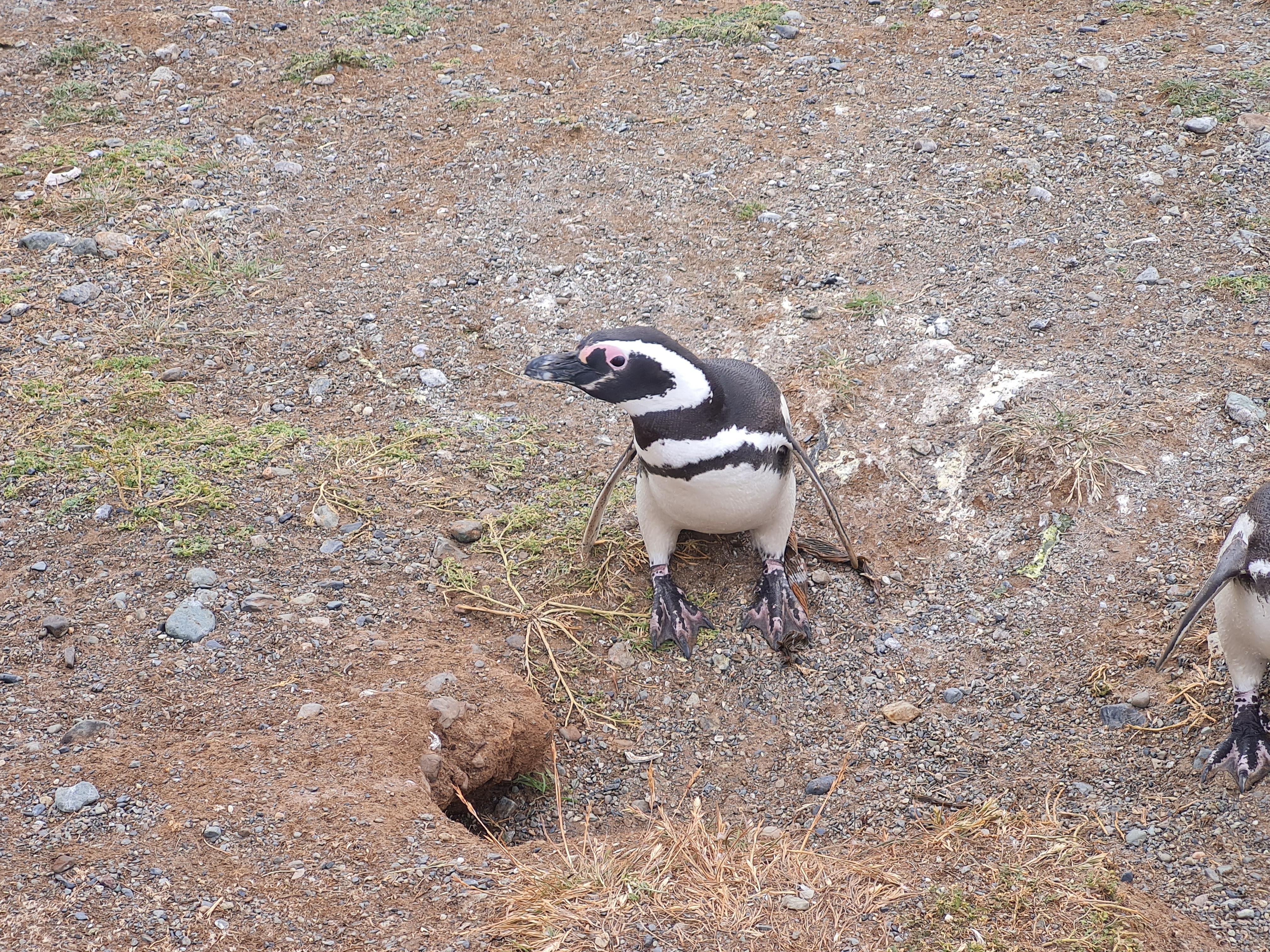
Cruise the Strait of Magellan to witness 60,000+ penguin pairs in their protected breeding grounds
6 hours
Free Cancellation
Navigate the legendary Magellan Strait by catamaran and walk among 60,000 penguin pairs on a remote island
16 hours
Free Cancellation
Explore UNESCO-protected wilderness, glacial lakes, thundering waterfalls, and ancient cave sites in one epic day
16 hours
Free Cancellation
Venture deep into Patagonia's wild heart on this 16-hour guided journey through glaciers, peaks, and ancient caves.
15 hours
Free Cancellation
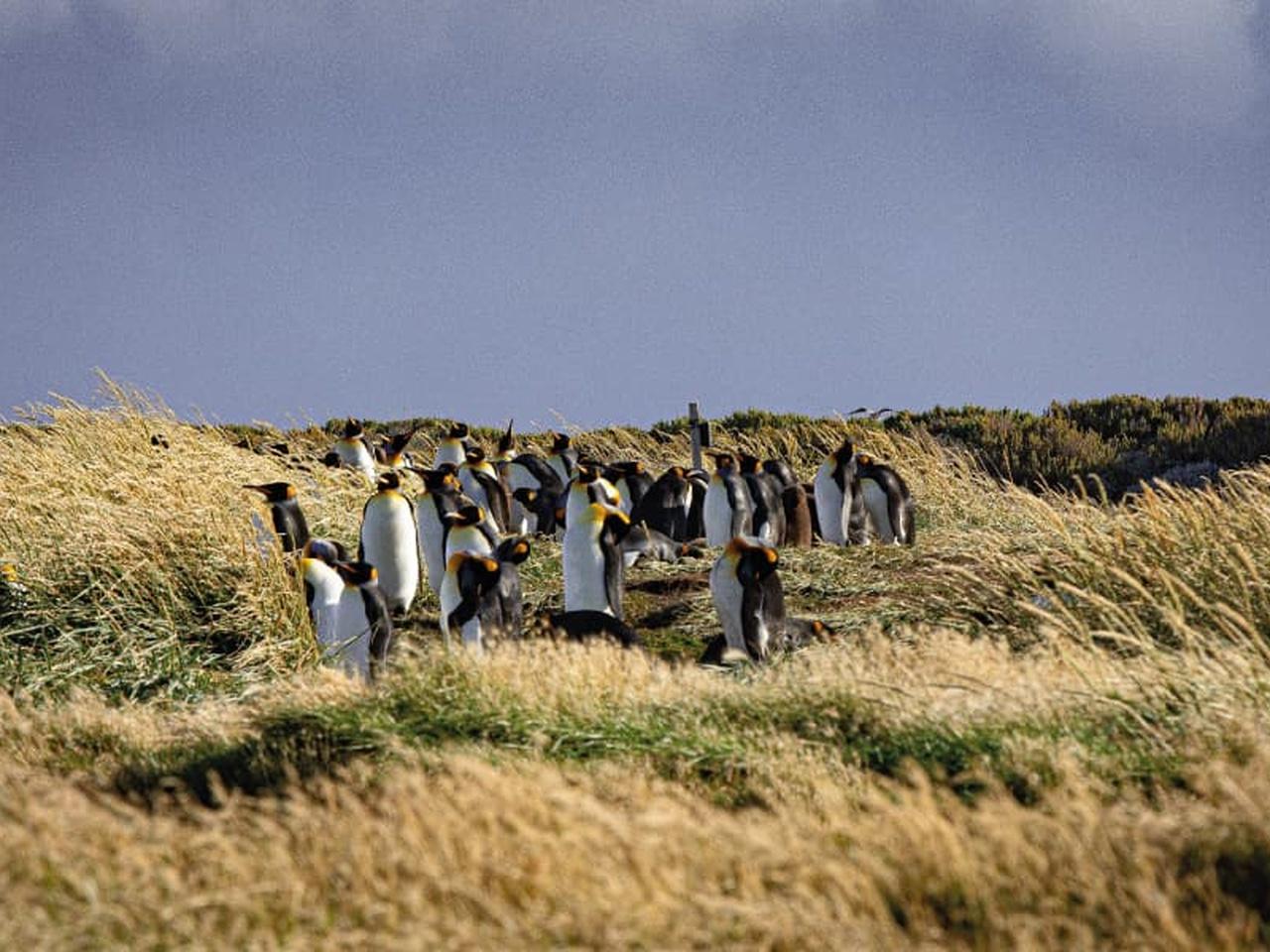
Journey to the southernmost island to witness the continent's exclusive King Penguin colony
13 hours
Free Cancellation
Full-day voyage through the Strait of Magellan to seven pristine glaciers and the continent's southernmost point
4.5 hours
Free Cancellation
Journey to a 19th-century fortress on the Strait of Magellan and uncover Chile's pioneering past
3 hours
Free Cancellation
Explore Chile's southernmost city through elegant plazas, historic cemeteries, and panoramic viewpoints
Early transit from Punta Arenas docks.
Navigation through the Strait of Magellan.
Viewing humpback whales and glaciers.
Home to a large colony of Magellanic penguins and sea lions visible from the boat. This site is a primary stop before heading deeper into the park.
The heart of the park where humpback whales frequently congregate to feed. Research indicates this area is a critical breeding ground for these marine mammals.
This historic maritime passage serves as the only access route to the park waters. It is known for its unpredictable weather and strong tides.
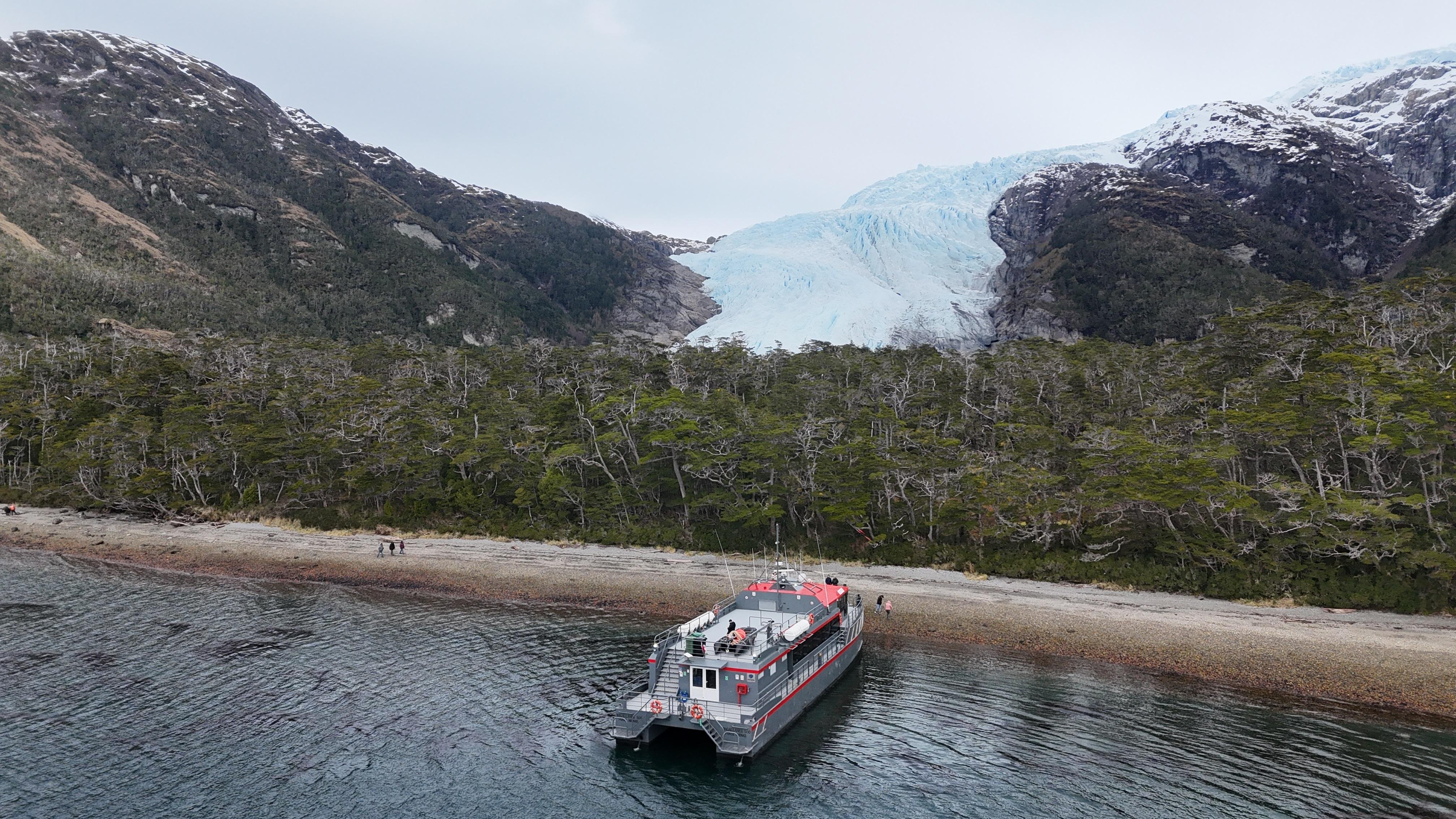
A visible glacial field accessible via boat, offering dramatic ice formations. It is one of the few places to view active glacial calving in the region.
You board in darkness at Punta Arenas pier, stepping from the dock onto a steel-hulled expedition boat asdeckhands secure waterproof gear bags. The engines rumble to life at 4:30 a.m., and the city's streetlights recede as the vessel pushes south into the Strait of Magellan.
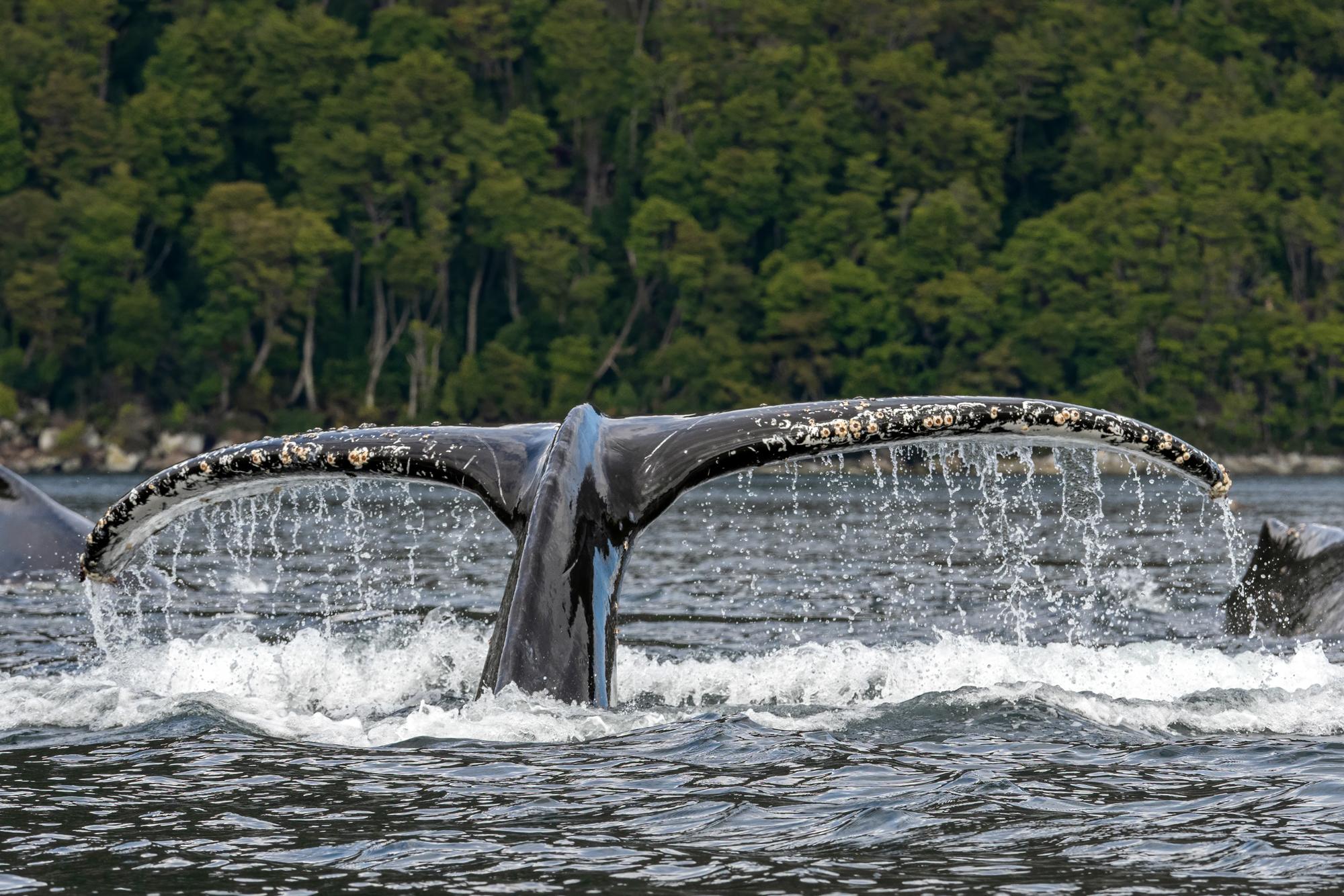
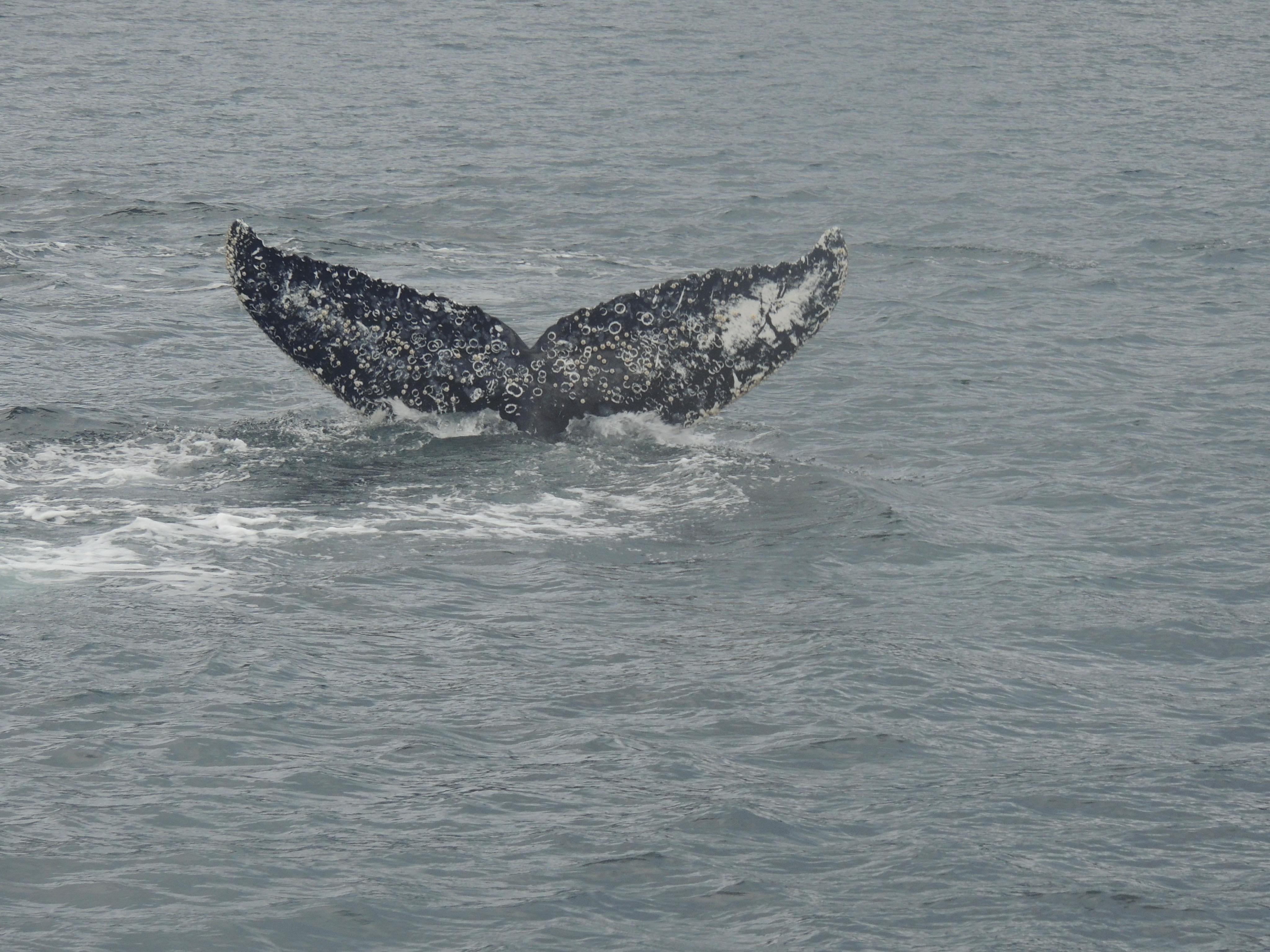
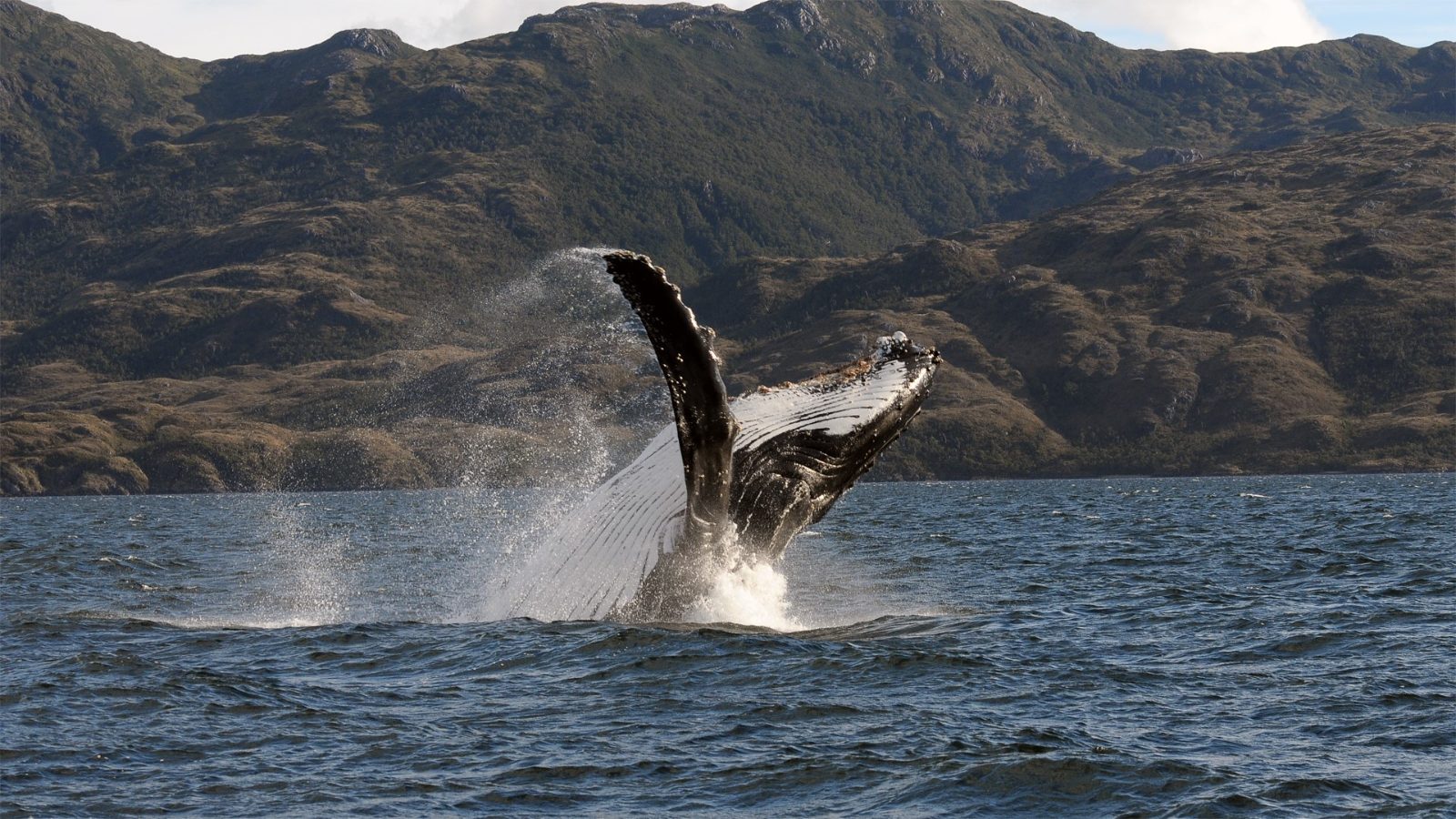
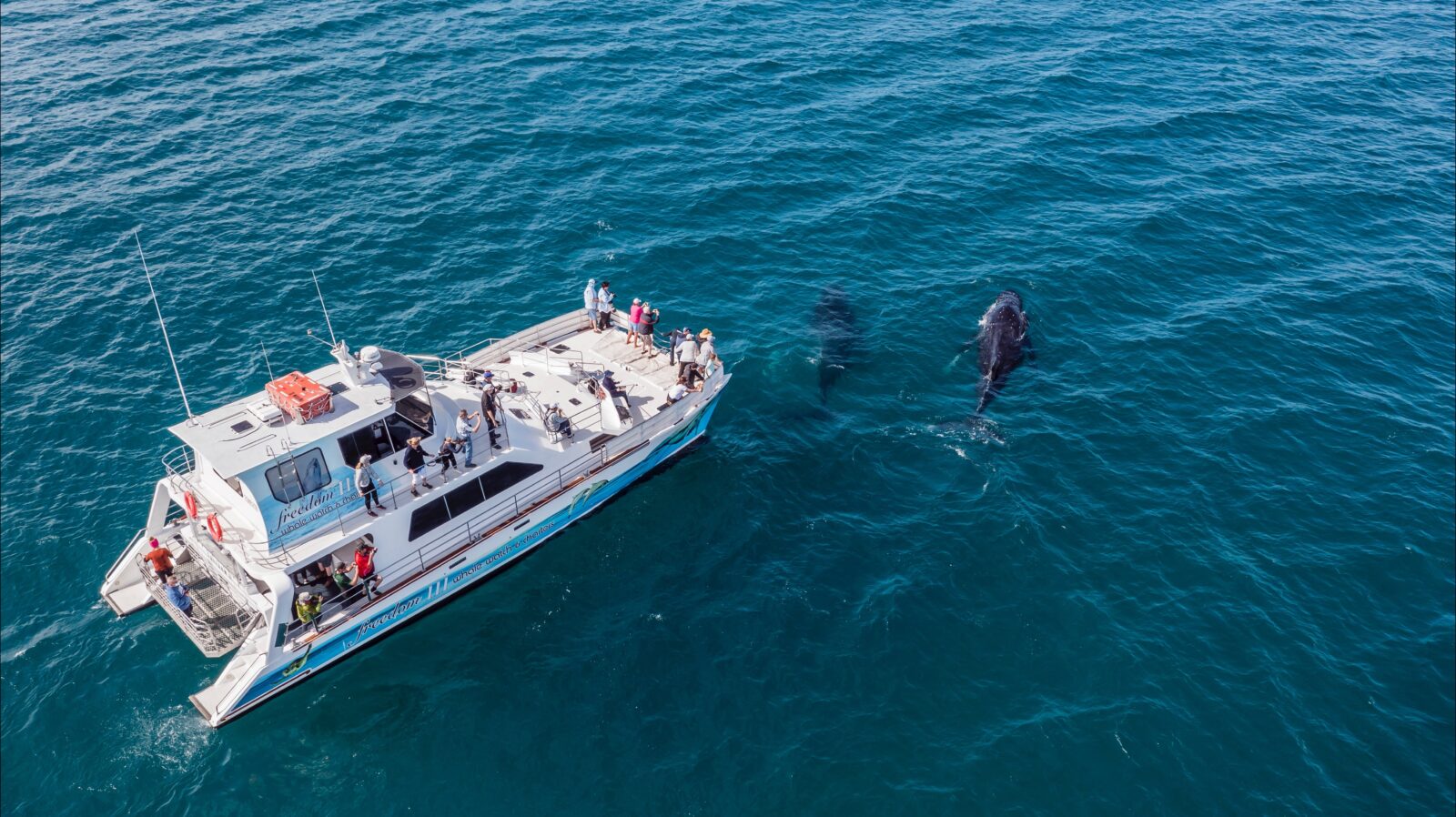
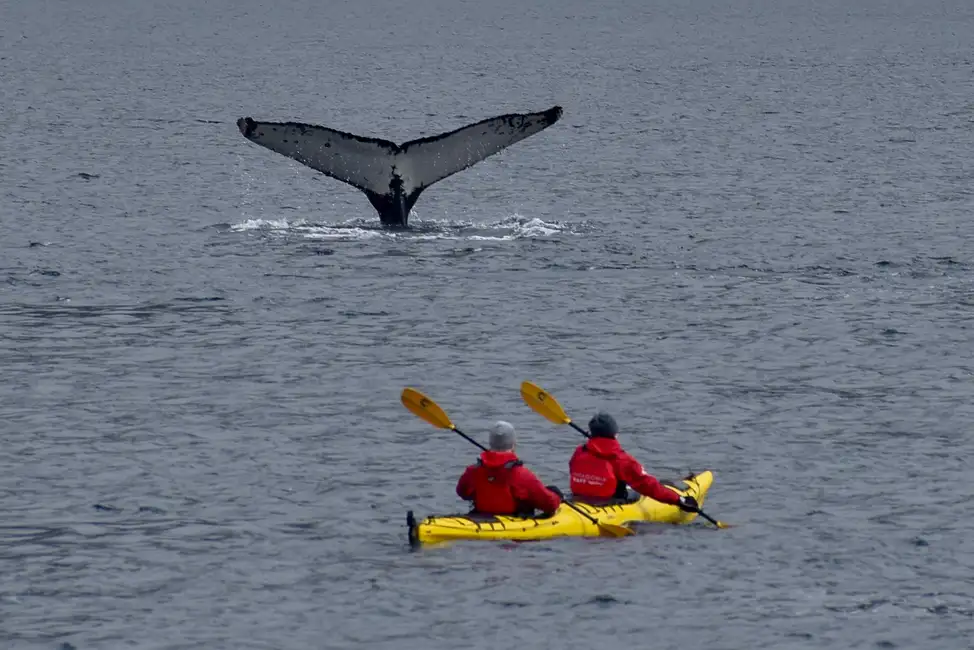
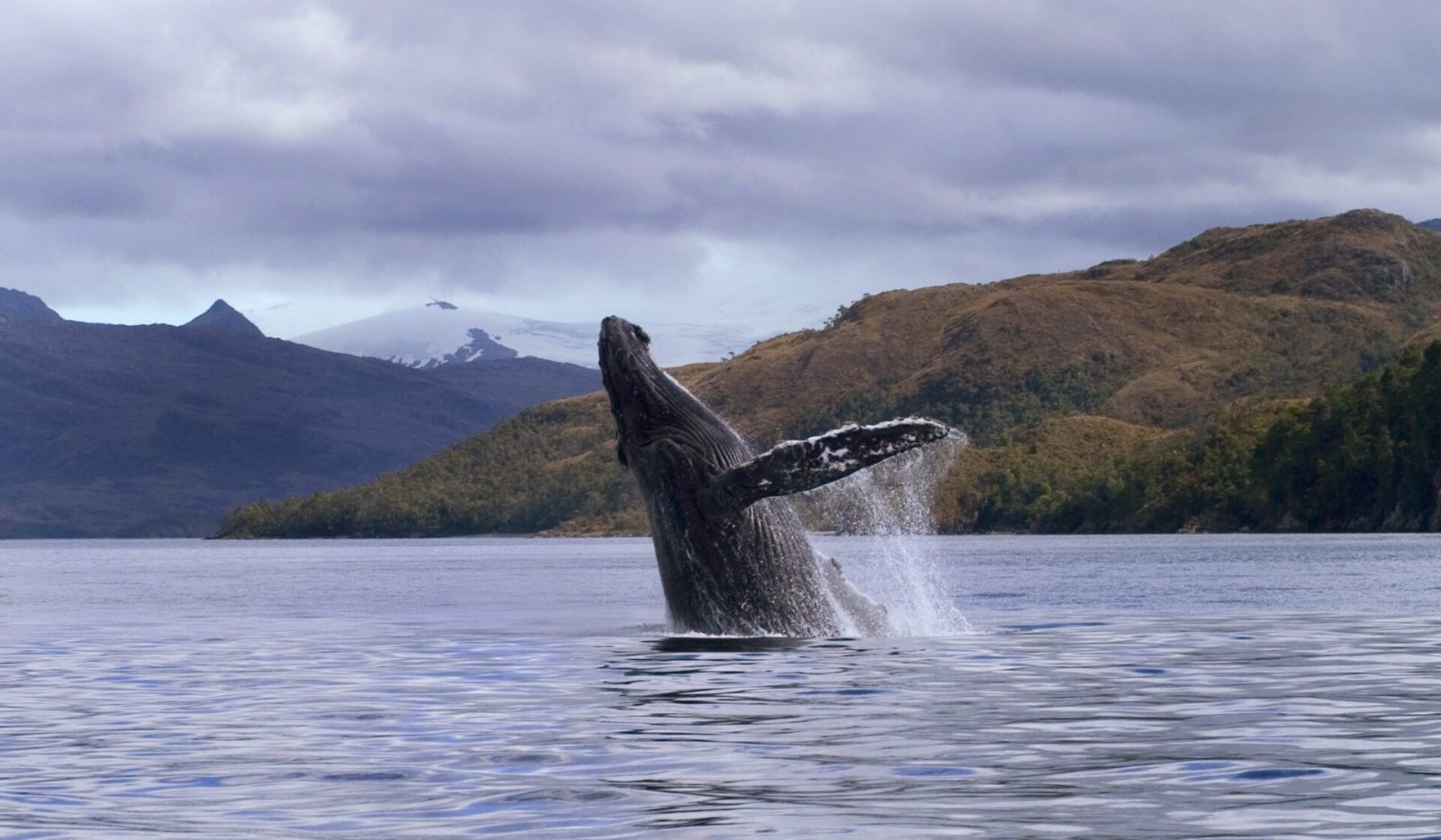
You stand on the open foredeck, binoculars in hand, scanning for dorsal fins and blows while the guide briefs the group on humpback identification and the park's conservation protocols. Two hours later, the first glaciers appear — tongues of fractured ice spilling between mountains — and a shout from the bridge sends everyone starboard. A humpback surfaces thirty meters away, exhaling a vertical plume before arching its back and raising its fluke high against the sky.
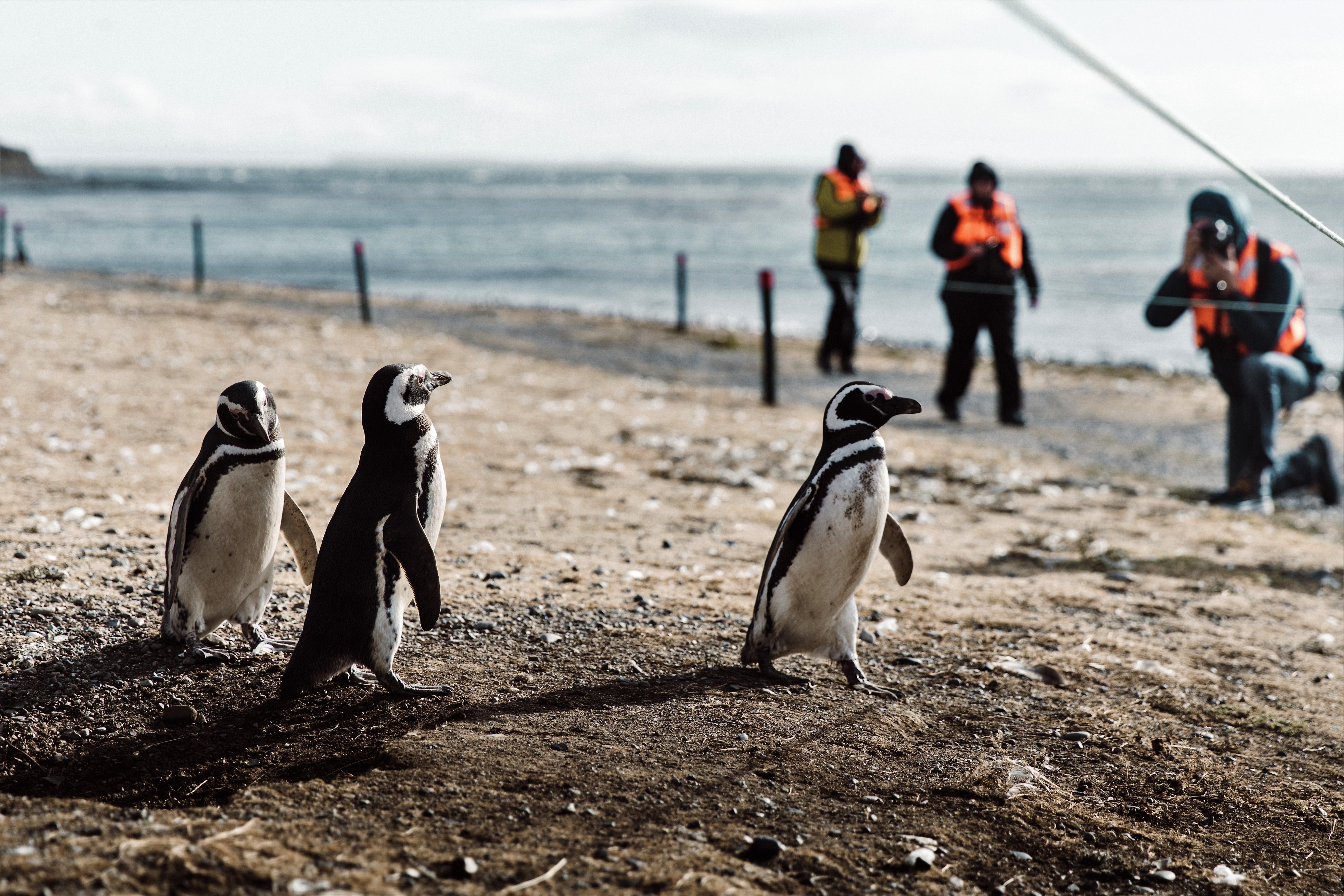
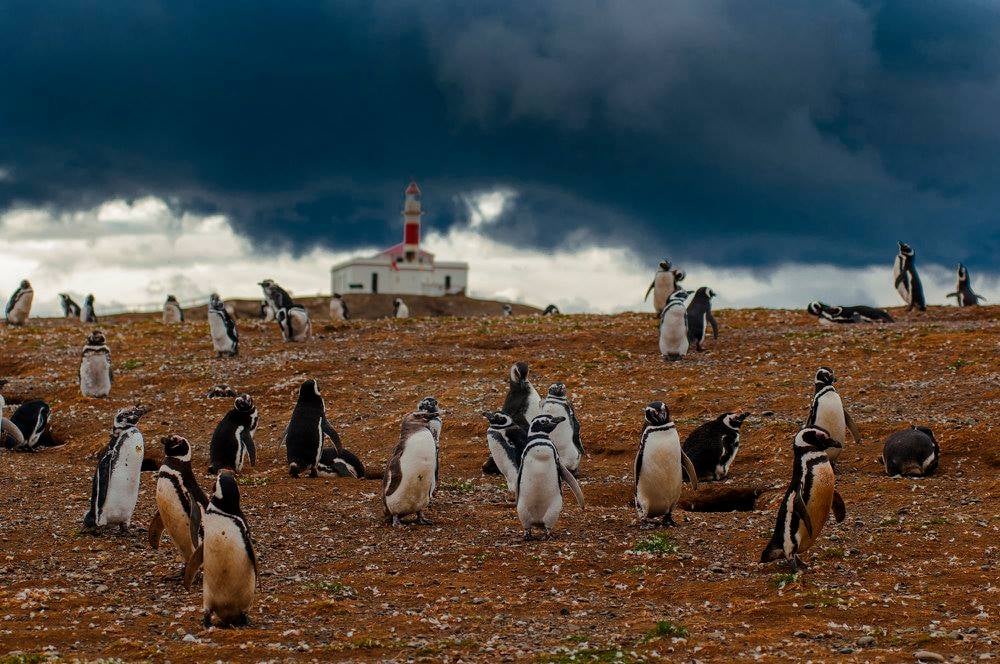
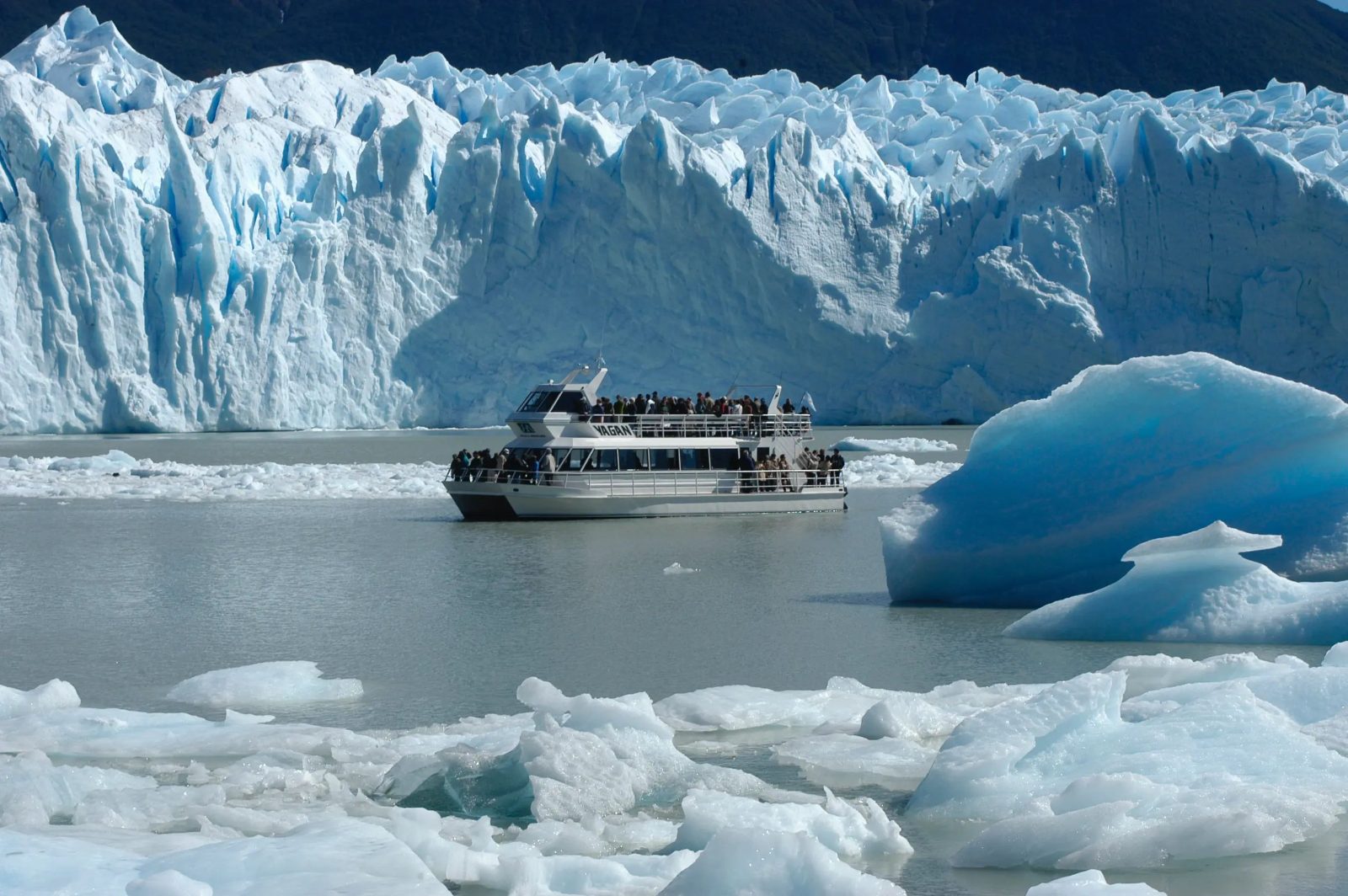
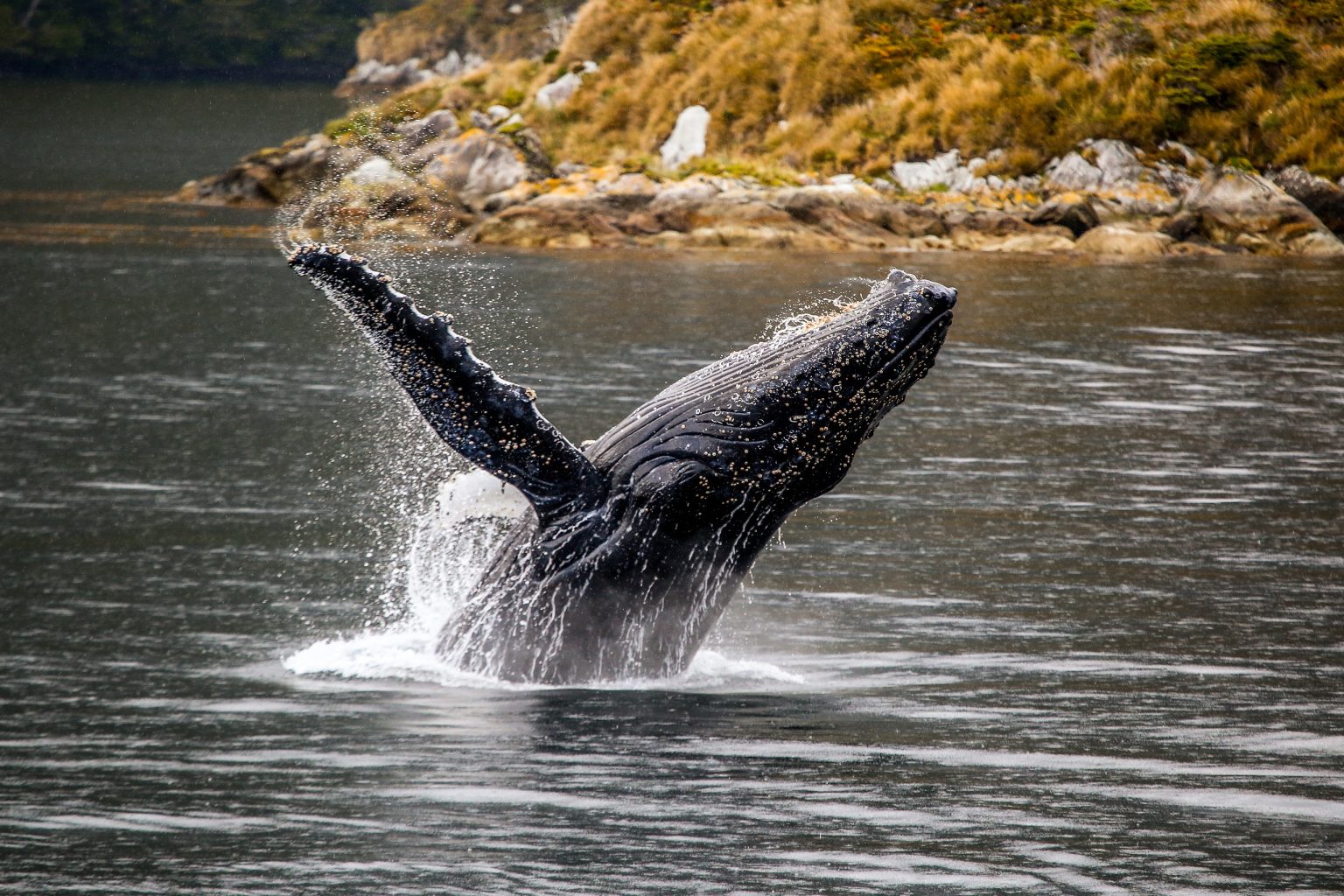
You anchor in a protected bay within Francisco Coloane Marine Park, and the boat drifts as whales circle, diving for eight-minute intervals before resurfacing in new positions. The hydrophone crackles with underwater calls, and you watch a calf breach six times in succession, each impact sending white spray across the glassy water. A glacier calves with a rifle-crack report, and a wave rolls outward from the ice front. On the return journey, the boat detours to Magdalena Island, where you walk a gravel path flanked by thousands of Magellanic penguins, some standing sentry at burrow entrances, others waddling past your boots toward the surf.
All the details about your upcoming adventure in one place
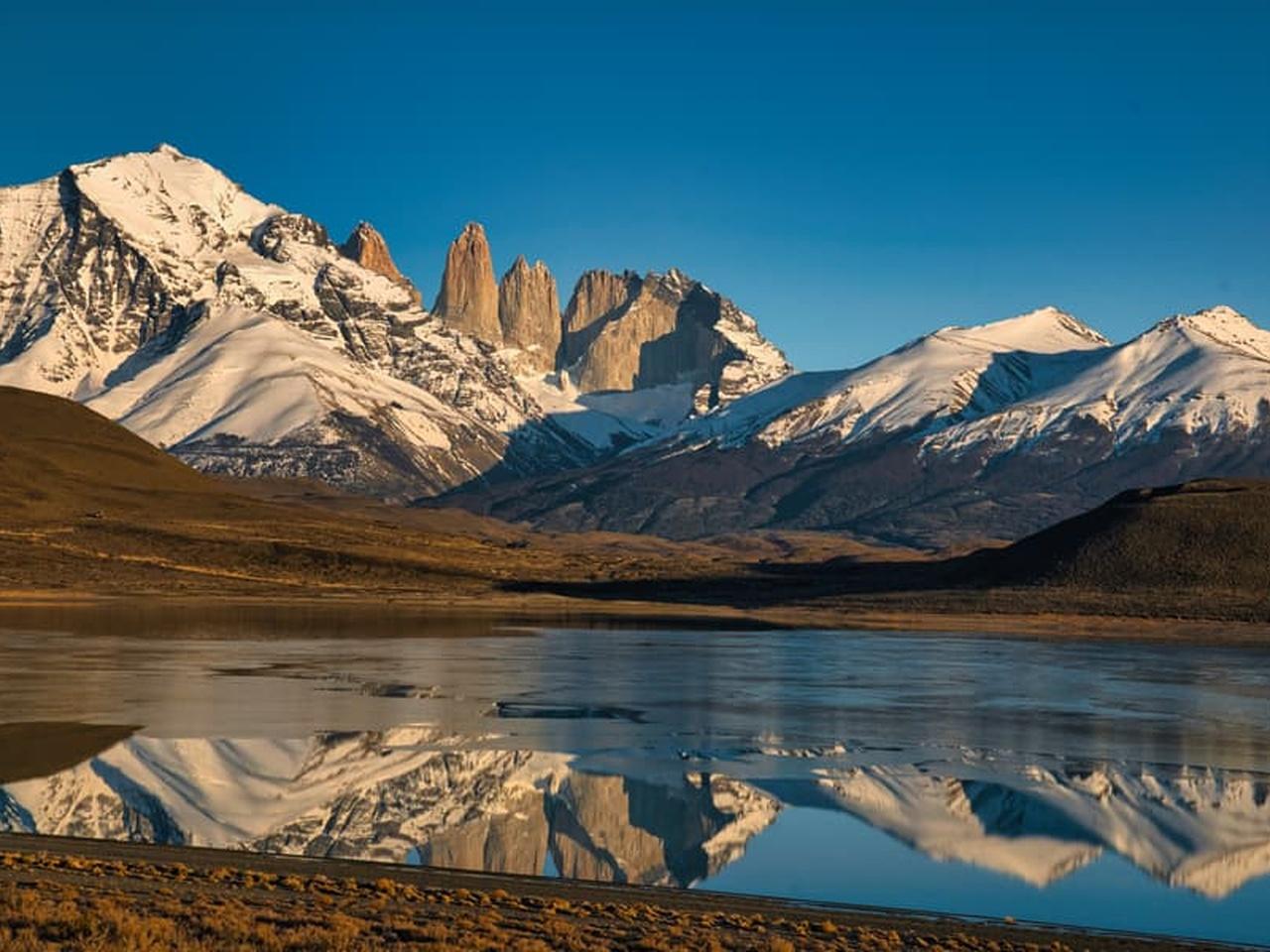
Francisco Coloane Marine Park protects 67,000 hectares of subpolar waters where the Strait of Magellan meets the Pacific, and humpback whales arrive each austral summer to feed on krill blooms beneath floating ice.
Declared Chile's first marine protected area in 2003, the park stretches from Carlos III Island to the southern shores of Isla Riesco, encompassing fjords, tidewater glaciers, and rookeries that host Magellanic and gentoo penguins alongside South American sea lions. The waters here reach depths of 1,100 meters, creating upwelling zones that draw between thirty and fifty humpback whales annually from November through March. Sightings peak in January and February when calves accompany their mothers through the narrow channels.
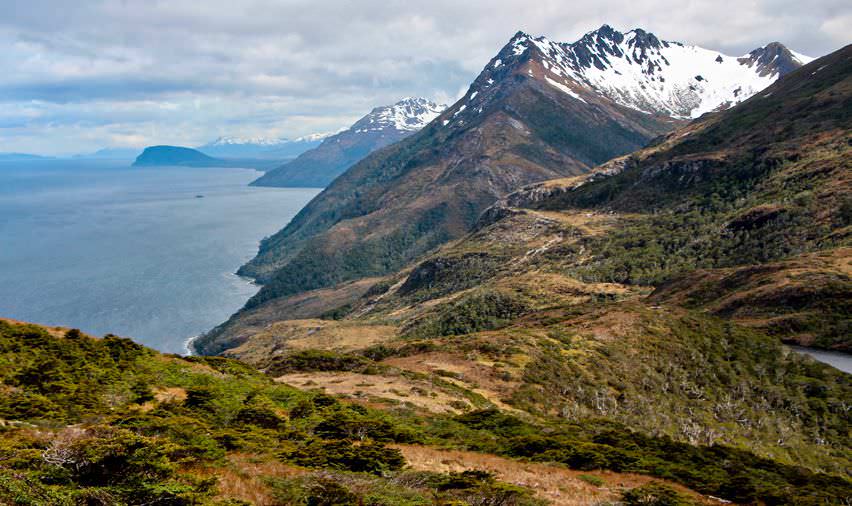
Whale and glacier watching from punta arenas francisco coloane park departs before dawn from the city's naval pier, with zodiacs and expedition vessels navigating three hours south through the Strait of Magellan's labyrinth of islands and kelp forests. Tours pass the fortress ruins at Fuerte Bulnes, cross paths with Peale's dolphins, and round Cape Froward — the southernmost point of continental South America — before entering the park's core zone. Guides trained in marine biology scan for blows on the horizon while passengers layer windproof shells over thermal base layers; even in summer, temperatures hover near 8°C on open water. The glaciers that calve into these fjords descend from the Southern Patagonian Ice Field, and the crack of ice breaking free carries across two kilometers of open strait.
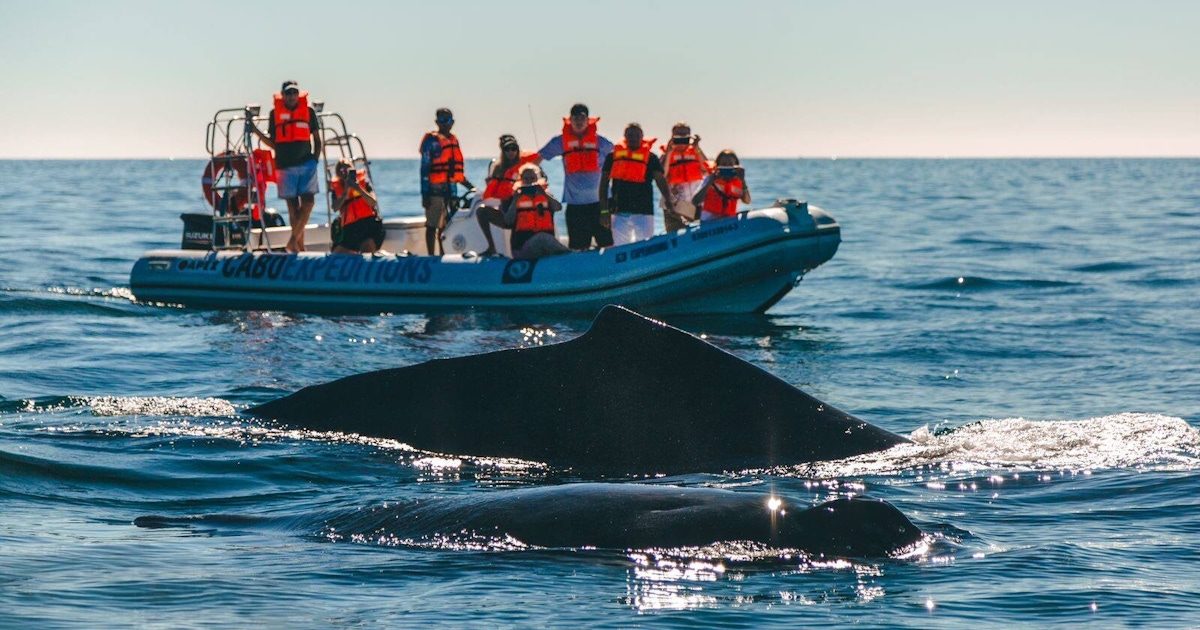
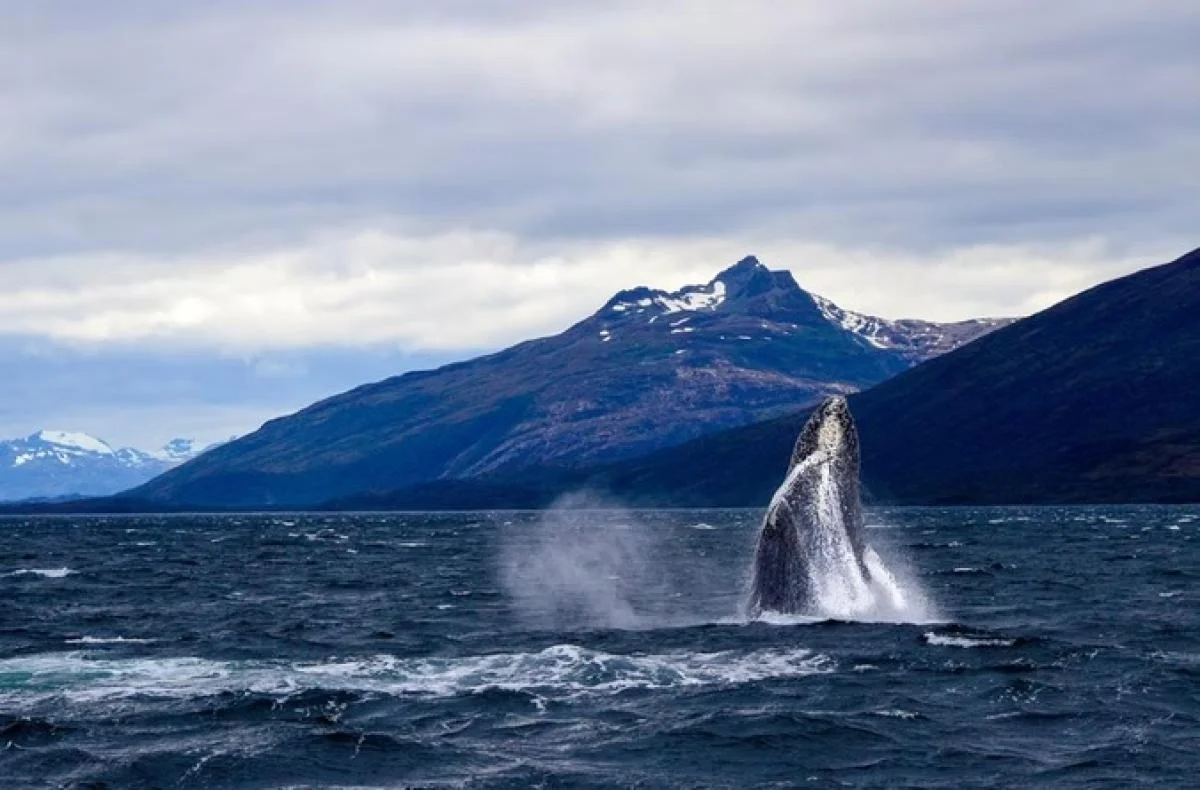
Operators hold permits for a maximum of two vessels per day within the park's whale-watching corridor, maintaining a 100-meter exclusion zone around cetaceans. Humpbacks breach, tail-slap, and spy-hop within sight of jagged blue seracs, and hydrophones mounted to boat hulls broadcast their songs through deck speakers. The Chilean Navy patrols these waters year-round, and tour companies submit sighting logs to the Center for Cetacean Research, contributing to long-term population studies. Patagonian marine park expeditions also stop at Magdalena and Marta Islands, where 120,000 Magellanic penguins nest in burrows dug into sandy slopes. Visitors disembark on raised boardwalks while cormorants and skuas circle overhead, and the smell of guano drifts across the colony. The return voyage to Punta Arenas threads through Froward Bay as the late afternoon sun angles low over the Darwin Range, painting the snowfields amber and rose.
Francisco Coloane remains one of the few marine reserves worldwide where visitors can observe feeding humpback whales against a backdrop of active tidewater glaciers, all within a single twelve-hour expedition from a regional city. The park's isolation — no roads reach its shores, and mobile signals vanish beyond the first island chain — preserves conditions unchanged since Captain FitzRoy charted these channels aboard HMS Beagle in 1830.

Humpbacks breach, tail-slap, and spy-hop within sight of jagged blue seracs, and hydrophones mounted to boat hulls broadcast their songs through deck speakers.
Wear multiple warm layers including a windproof and waterproof outer shell. Sturdy, non-slip footwear is essential for safety on deck during whale and glacier watching from punta arenas francisco coloane park.
Keep baggage to a minimum, utilizing dry bags to protect equipment. Security checks are standard for marine vessels operating in the Strait of Magellan.
Photography is permitted; however, maintain a safe distance from wildlife to avoid disturbance. Long lenses are recommended for capturing high-quality images during whale and glacier watching from punta arenas francisco coloane park tours.
Children must be accompanied by adults at all times. Marine conditions during whale and glacier watching from punta arenas francisco coloane park tours can be challenging for very young children.
Vessels may have limited accessibility for passengers with mobility impairments. Confirm vessel specifications when purchasing whale and glacier watching from punta arenas francisco coloane park tickets.
Most operators provide light snacks and hot beverages on board. Passengers should bring additional water and personal snacks for extended expeditions.
Opening Hours
04:00–17:30
Address
Francisco Coloane Marine Park, Strait of Magellan, Punta Arenas, Chile
Accessibility
Varies by vessel operator; contact prior to booking.
Arrival Window
04:00–17:00
Storage
Limited; secure belongings in designated waterproof bags.
Meeting Point
Punta Arenas docks or operator office.
Taxi · 10 min · 5-10 USD
Fastest way to reach the docks at 04:00 AM.
Car · 10 min · Free
Parking available near the port facility.
Full refunds are typically available for cancellations made at least 72 hours prior to departure. The entrance fee to the park is 0 USD as it is an open maritime protected area.
Recommended time
Full day (10-12 hours)
A successful whale and glacier watching from punta arenas francisco coloane park experience requires a full-day commitment to navigate the remote marine environment of the Strait of Magellan. These whale and glacier watching from punta arenas francisco coloane park tours typically begin before dawn, ensuring vessels reach the humpback whale feeding grounds and glacial fjords when waters are calmest. Because access is limited to private operators, visitors should secure whale and glacier watching from punta arenas francisco coloane park tickets well in advance, as group sizes remain strictly controlled to minimize impact on the marine wildlife.
Crowd levels through the day
Weather · crowds · average price — dots go green to amber to red as each metric rises.
Whale activity begins to increase in late season. Cold temperatures require heavy winter gear.
Peak time for whale and glacier watching from punta arenas francisco coloane park tours. Moderate winds and longer daylight hours.
Always maintain distance when photographing whales to ensure compliance with marine protection laws.
Monitor wind reports as high speeds may cause cancellations of any whale and glacier watching from punta arenas francisco coloane park tour.
The maritime climate shifts rapidly, so prioritize synthetic base layers during your excursion.
Book your whale and glacier watching from punta arenas francisco coloane park tickets well in advance during peak summer.
Bring high-quality stabilized binoculars for spotting wildlife against the glacial backdrop.
Bring reusable bottles as hydration is critical despite the cold temperatures.
Francisco Coloane Marine Park emerged from decades of scientific advocacy and indigenous stewardship converging at the edge of the Strait of Magellan. The region's humpback whales had long been documented by Kawésqar communities, who navigated these channels for millennia before European contact. Scientific census work began in earnest during the 1980s, when Chilean marine biologists tracked seasonal feeding aggregations near Carlos III Island and the surrounding fjords. By the early 2000s, researchers had confirmed that these waters hosted one of the southernmost humpback breeding corridors in the Pacific, with glacier-fed upwellings sustaining dense krill populations. The park was formally designated in 2003, covering over 67,000 hectares of marine and terrestrial habitat. Its namesake, Francisco Coloane, was a Chilean author whose maritime fiction immortalized the brutal beauty of Magellanic waters, though he never lived to see the reserve bear his name. Whale and glacier watching from punta arenas francisco coloane park tours became commercially viable only after 2005, when operators secured permits to navigate the Strait under strict approach protocols. Early expeditions faced logistical nightmares: six-hour crossings in open zodiacs, unpredictable katabatic winds, and minimal infrastructure at the embarkation points. A near-capsizing incident in 2008 forced the Chilean Navy to tighten safety standards, mandating larger vessels and real-time weather coordination. The introduction of hydrophones in 2012 transformed the visitor experience, allowing passengers to hear humpback vocalizations even when surface sightings were sparse. By 2015, the park had become a flagship ecotourism destination, with researchers tagging individual whales and tracking their migrations to Antarctic feeding grounds. Today, the glaciers that fringe the park—Parry, Zamudio, and Garibaldi—are receding at measurable rates, their retreat documented in annual surveys. The humpback population, however, has rebounded; sightings of mothers with calves now occur regularly between December and March, a testament to decades of marine protection and the resilience of the Strait's cold, nutrient-rich currents.
Kawésqar people navigate Magellanic channels and document seasonal whale movements.
Chilean marine biologists begin systematic census of humpback whale populations near Carlos III Island.
Francisco Coloane Marine Park officially designated, protecting 67,000 hectares of fjord and open water habitat.
First commercial whale-watching permits issued under strict vessel approach protocols.
Capsizing incident prompts Chilean Navy to impose enhanced safety standards for Strait crossings.
Hydrophone systems introduced on tour vessels, enabling passengers to monitor whale vocalizations.
Park achieves flagship status; annual tagging studies track humpback migrations to Antarctic waters.
Stand at the very front of the boat to capture unobstructed views of humpback whales surfacing against the backdrop of the Strait of Magellan. This position offers the most stable platform for tracking marine megafauna movements.
Planning whale and glacier watching from punta arenas francisco coloane park requires significant preparation as trips involve long hours at sea within the remote Strait of Magellan. Families should be prepared for an expedition-style environment rather than a standard tourist outing.
Children should be at least 8 to 10 years old due to the extended duration spent on boat decks and unpredictable marine conditions. Consult with whale and glacier watching from punta arenas francisco coloane park tours regarding minimum age policies before booking
Strollers are not practical on expedition vessels navigating the Strait of Magellan, so parents must bring child carriers for younger travelers. Ensure you verify specific equipment needs with your whale and glacier watching from punta arenas francisco coloane park tour operator
Restroom access is limited and basic while on the water, necessitating advanced preparation for families. Most vessels providing whale and glacier watching from punta arenas francisco coloane park tickets do not have specialized baby-changing stations
The journey involves long days, requiring passengers to be ready during the best arrival window of 04:00–17:00 to navigate effectively. Harsh maritime weather in this Chilean Patagonia landmark can change quickly, so dressing in multiple waterproof layers is mandatory for children.
Dining options are unavailable at the remote marine reserve, so those embarking on whale and glacier watching from punta arenas francisco coloane park must rely on provisions secured in the city before departure. Travelers often grab supplies near the port to sustain them during long days at sea when joining a whale and glacier watching from punta arenas francisco coloane park tour.
Known for Magellanic lamb and seafood, this spot is ideal for a hearty meal before or after your expedition. It remains a favorite for those preparing for whale and glacier watching from punta arenas francisco coloane park tours.
Everything you need to know for your journey
The operating hours for marine transit are 04:00–17:30 daily. Access to the area is facilitated through private operators within these hours.
You must purchase whale and glacier watching from punta arenas francisco coloane park tickets via authorized private tour operators departing from Punta Arenas.
Entry to the park is 0 USD, meaning your payment covers the private transport and expert guidance provided during your tour.
The recommended arrival window is 04:00–17:00 to ensure optimal conditions for navigating the Strait of Magellan.
Yes, children are welcome, though maritime conditions may be challenging for the very young on any whale and glacier watching from punta arenas francisco coloane park tour.
Dress in waterproof, windproof layers to withstand the maritime environment. Sturdy footwear is essential for safety during the excursion.
Yes, you are encouraged to photograph the marine life and scenery while maintaining a respectful distance from the natural habitat.
Yes, items such as drones, alcohol, and single-use plastics are prohibited for safety and environmental protection reasons.
Yes, it is advisable to bring your own water and extra snacks, though most operators provide light refreshments on board.
Historic center of Punta Arenas with colonial architecture.
Exhibits on regional history and indigenous culture.
Coastal walkway offering views of the Strait.
Upscale hotel overlooking the city square.
Waterfront hotel near the departure points.
Cozy accommodation suitable for early departures.
Join thousands of happy travelers who have discovered this incredible experience
Book Your Experience Now