

Quick answer
The punta arenas whale watching season runs from December through March, with peak sightings concentrated between mid-January and late February. Humpback whales migrate through the Strait of Magellan during these months, feeding in the cold currents near Francisco Coloane Marine Park. Tours operate daily during this window, departing before dawn to reach observation zones by mid-morning. Weather and sea state vary sharply—calmer days in January offer the most stable viewing conditions.
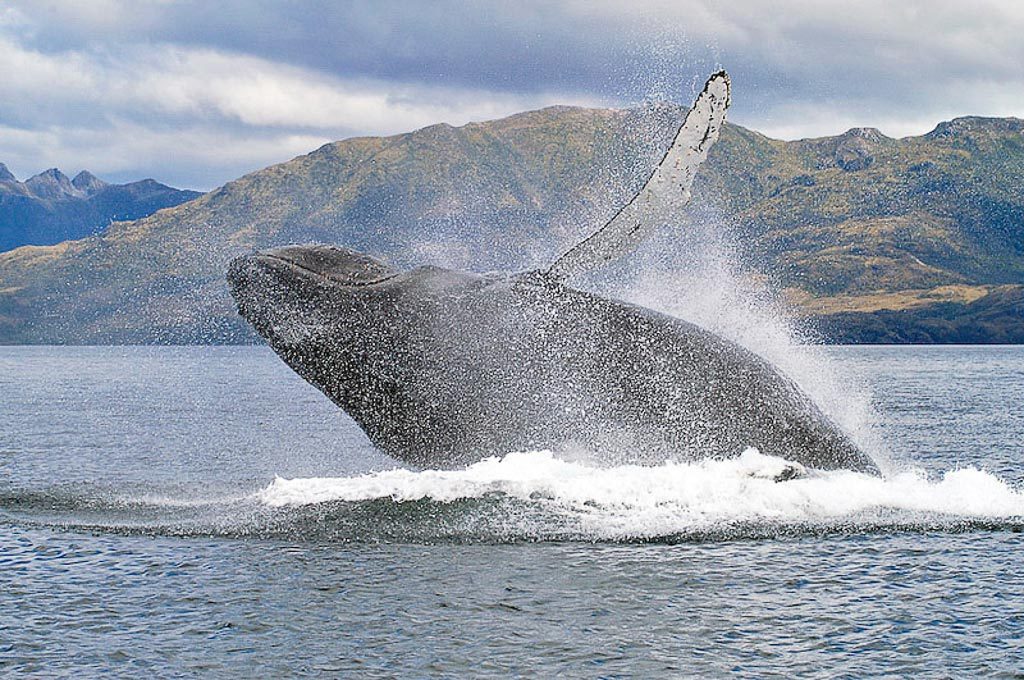
Fewer than thirty humpback whales were recorded in the Strait of Magellan before 1990. Today, the population exceeds two hundred individuals, drawn by krill blooms that pulse through the channel each austral summer. The punta arenas whale watching season aligns with this migration, a four-month window when adult humpbacks and their calves move between breeding grounds off Colombia and feeding zones near the Antarctic Peninsula. Francisco Coloane Marine Park, located sixty nautical miles southwest of Punta Arenas, forms the core observation area. The park's bathymetry—steep underwater canyons and tidal upwellings—concentrates prey, and whales linger here to feed. Full-day excursions depart from Punta Arenas harbor in darkness, navigating the Strait for three to four hours before reaching the park boundaries. Sightings are most reliable from mid-January onward, when whale density peaks and daylight extends past 22:00. Weather defines the experience. December brings long daylight but unstable winds; January and February offer the calmest seas and the highest probability of close encounters. March marks the end of the feeding cycle, and whales begin their northward return. Tour operators monitor sea state daily—cancellations due to wind or swell are common, and flexible schedules improve the odds of reaching the observation zone. Surface activity varies: breaching, tail slaps, and spy-hopping occur unpredictably, but dorsal fin sightings and blow spouts are near-guaranteed on calm days. The Strait of Magellan also supports sei whales, southern right whales, and orcas, though humpbacks dominate sightings during the core whale watching months in Punta Arenas. Layered clothing, waterproof shells, and motion-sickness medication are standard advice—the passage is open ocean, and even summer crossings can be rough. Tours include onboard naturalist commentary, typically in Spanish and English, and most provide hot beverages during the return leg. The season's brevity and the region's remoteness keep visitor numbers low compared to other Southern Hemisphere whale-watching hubs, but booking ahead is necessary once January arrives.
“The Strait's underwater canyons concentrate krill, and humpbacks linger to feed in waters that held fewer than thirty individuals a generation ago.”
Understanding the Punta Arenas Whale Watching Season
The whale watching season in the Strait of Magellan typically runs from December through April when humpback whales migrate to the area to feed. Planning your visit for early morning departures is essential for reaching the Francisco Coloane Marine Park and maximizing wildlife observation time.
December–January
ModerateWindy, 8°C–14°C
Whales are active as they arrive to feed in the nutrient-rich waters. Early departures allow for calmer sea conditions during the transit to the park.
February–March
HighVariable, 7°C–13°C
Peak activity period for sightings. Daylight hours are longest, providing more time for full-day expeditions in the strait.
April
LowCooler, 5°C–10°C
The end of the season offers quieter experiences. Tours prioritize early morning starts to navigate the channel before afternoon winds increase.
Verdict: The best time for whale watching is from February to March, arriving at the Strait of Magellan within the 04:00–05:00 window to ensure a full day of observation.
Operating Hours During the Punta Arenas Whale Watching Season
Tours to the Francisco Coloane Marine Park operate on a consistent schedule throughout the week to accommodate long-distance travel in the Strait of Magellan. Operations begin early each morning.
| Monday | 04:00–17:30 | |
|---|---|---|
| Tuesday | 04:00–17:30 | |
| Wednesday | 04:00–17:30 | |
| Thursday | 04:00–17:30 | |
| Friday | 04:00–17:30 | |
| Saturday | 04:00–17:30 | |
| Sunday | 04:00–17:30 |
Entrance Fees and Costs for the Punta Arenas Whale Watching Season
The Francisco Coloane Marine Park does not charge an entrance fee for visitors. All costs associated with whale watching in this region are strictly related to private guided boat tours.
Visitors pay 0 USD for park entry, but must budget for the cost of a private boat tour to reach the whale watching zones.
How to Reach Destinations for the Punta Arenas Whale Watching Season
Whale watching expeditions depart from Punta Arenas to access the Francisco Coloane Marine Park within the Strait of Magellan. Because these tours require navigation of remote coastal waters, travelers must coordinate directly with private tour operators for transit to the designated departure docks.
Route 9 (Ruta 9) to Punta Arenas port area
Local transit to coastal tour docks
Private charter from Punta Arenas piers
Essential Preparation for Your Punta Arenas Whale Watching Season Trip
Full-day marine tours in sub-antarctic waters require advance booking, layered cold-weather protection, and motion-sickness preparation.
-
Book your guided tour in advance — Tours operate exclusively through licensed operators and fill quickly during peak season.
-
Pack waterproof outerwear and insulated layers — Strait of Magellan conditions include wind, spray, and temperatures near freezing even in summer.
-
Bring seasickness medication if prone to motion — Multi-hour navigation through open strait waters can produce moderate swells.
-
Carry a valid photo ID — Operators require identification for marine park permits and passenger manifests.
-
Charge camera batteries and bring extra storage — Full-day wildlife observation offers extended shooting opportunities in challenging light.
-
Arrive at departure point by 04:00 — Tours leave early to maximize daylight hours for wildlife observation in remote waters.
Check availability
Frequently asked questions about the punta arenas whale watching season
Everything you need to know about punta arenas whale watching season